
World March 6, 2026

U.N. Coordinator: Roughly 100,000 People Sheltered as Israeli Evacuation Orders Trigger Mass Movement in Lebanon

Officials warn shelter capacity is nearing limits after evacuation directives expanded to Beirut suburbs and parts of the Bekaa Valley

By Hana Yamamoto
U.N. Coordinator: Roughly 100,000 People Sheltered as Israeli Evacuation Orders Trigger Mass Movement in Lebanon

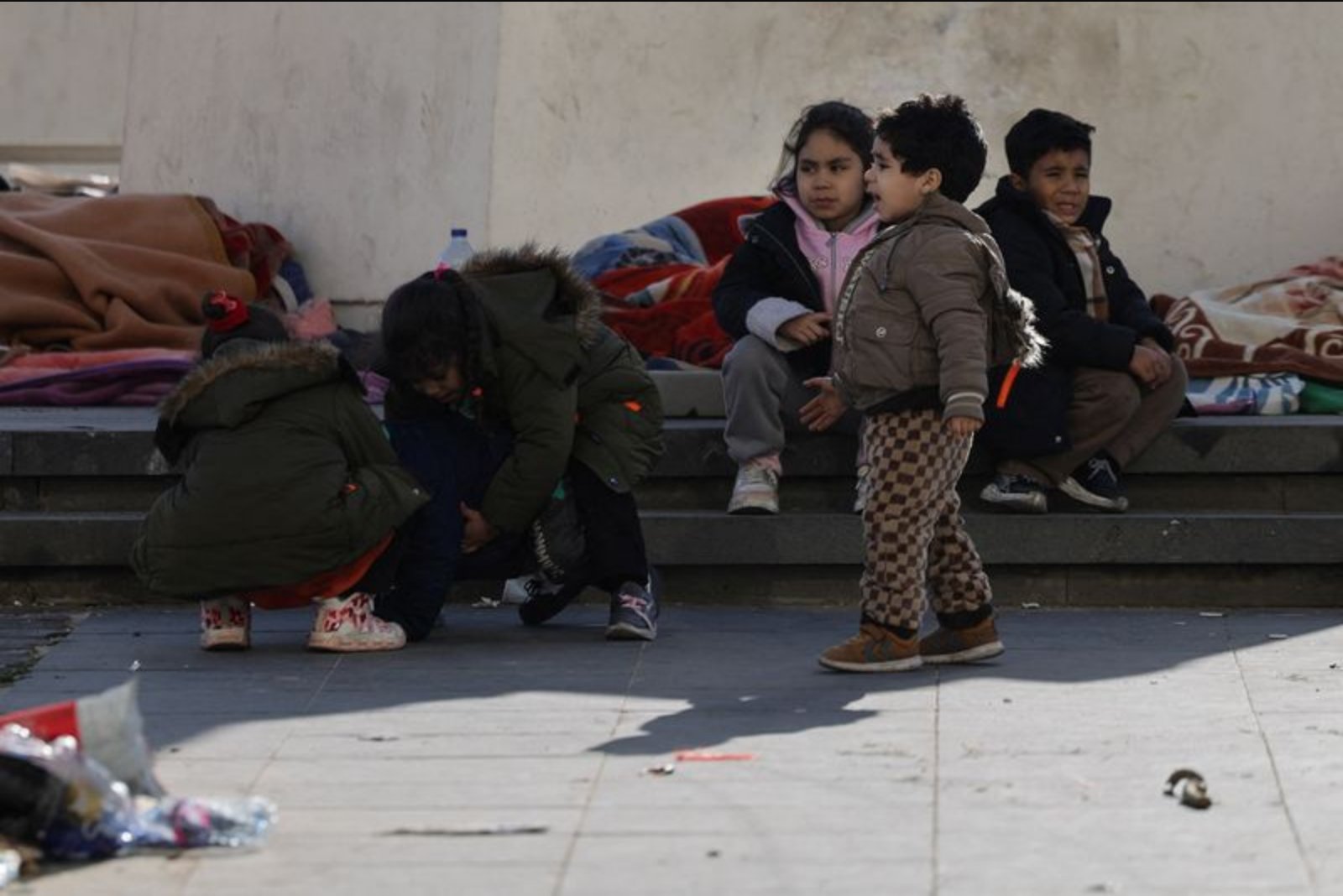
A senior U.N. official said about 100,000 people are currently in collective shelters in Lebanon after Israeli orders for residents to evacuate multiple areas, and that displacement is likely to rise rapidly. The U.N. coordinator described the scale of recent evacuation warnings as unprecedented and noted shelter capacity is being strained, with many displaced people expected to remain outside formal shelters.

Key Points

  • About 100,000 people are sheltering in roughly 477 collective shelters across Lebanon; only about 57 shelters still have available space - sectors affected include humanitarian response and shelter services.
  • Israeli evacuation orders recently covered Beirut's southern suburbs and parts of the eastern Bekaa Valley after earlier orders for south Lebanon, triggering widespread movement and panic - sectors affected include transportation and logistics.
  • Past displacement in 2024 saw over a million uprooted with 75-80% not in formal shelters; U.N. officials expect a similar pattern this time, highlighting demand for non-shelter assistance and community-based support - sectors affected include emergency supplies and social services.

BEIRUT, March 6 - A senior United Nations humanitarian official reported on Friday that roughly 100,000 people have sought refuge in collective shelters across Lebanon following a series of evacuation orders from Israeli forces. The guidance to leave combines a widening set of geographic directives that in the past 48 hours included Beirut's southern suburbs, areas under the control of Iran-backed groups, and parts of the eastern Bekaa Valley, after similar orders were issued for south Lebanon earlier in the week.

Imran Riza, the U.N. Humanitarian Coordinator in Lebanon, described the recent pattern of warnings and displacement as striking in scale. "What we saw in the last couple of days is, I would say ... unprecedented in terms of the scale here in Lebanon of the warnings, the displacement orders, and the reaction, the panic also, that this has all created," he said.

Riza provided specifics on shelter use and capacity, saying: "At the moment, there are about 100,000 people that are, as of this morning, in some 477 collective shelters. There are some 57 shelters that still have some space, but basically the capacity is being reached very, very quickly."

He highlighted that the displacement orders have produced pronounced panic and movement across the country, creating congestion and uncertainty about destinations. "We had people moving all over the place and not knowing where to go to. So yes, I think we’re going to have an increased number quite quickly," Riza said.

Riza also referenced displacement patterns from a prior conflict year, noting that more than a million people were uprooted in Lebanon during the 2024 conflict between Hezbollah and Israel, and that 75-80% of those displaced were not housed in formal shelters. He cautioned the likely outcome this time would follow a similar pattern: "This time again, the majority will not be in shelters probably," he said.

The U.N. coordinator's comments underscore an accelerating humanitarian challenge: a large number of internally displaced people, limited shelter availability, and rapid, unpredictable population movements following official evacuation directives. Local authorities and humanitarian actors face the immediate task of identifying additional safe locations and scaling support as displacement numbers rise.


Summary

Approximately 100,000 people are currently taking refuge in 477 collective shelters in Lebanon after Israeli evacuation orders expanded to include Beirut's southern suburbs and parts of the Bekaa Valley. Shelter capacity is approaching limits, and officials expect the displaced population to rise quickly amid confusion and travel gridlock.

Risks

  • Shelter capacity is nearing its limit - if displacement continues to increase rapidly, humanitarian services and accommodation logistics may be overwhelmed (affecting humanitarian and shelter sectors).
  • Widespread panic and gridlock from evacuation orders create uncertainty about safe destinations and impede orderly response efforts - this may strain transport and logistics operations and complicate aid delivery.
  • A significant proportion of displaced people are likely to remain outside formal shelters, as seen in 2024 when 75-80% were not in shelters, increasing demand for community-based assistance and informal support networks (affecting emergency supplies and social services).

More from World

Hezbollah Spent Months Rebuilding Arsenal and Logistics Ahead of New Confrontation with Israel, Sources Say Mar 6, 2026 U.S. Urges Sri Lanka Not to Return Iranian Sailors After Submarine Strike Sinks Warship Mar 6, 2026 Israel Said to Back Plans by Iranian Kurdish Militias to Seize Border Towns Mar 6, 2026 Pentagon Appoints Controversial Computer Scientist as Chief Data Officer to Lead AI Initiatives Mar 6, 2026 European probe links 22 suspects to 2024 parcel explosions, points to GRU involvement Mar 6, 2026