
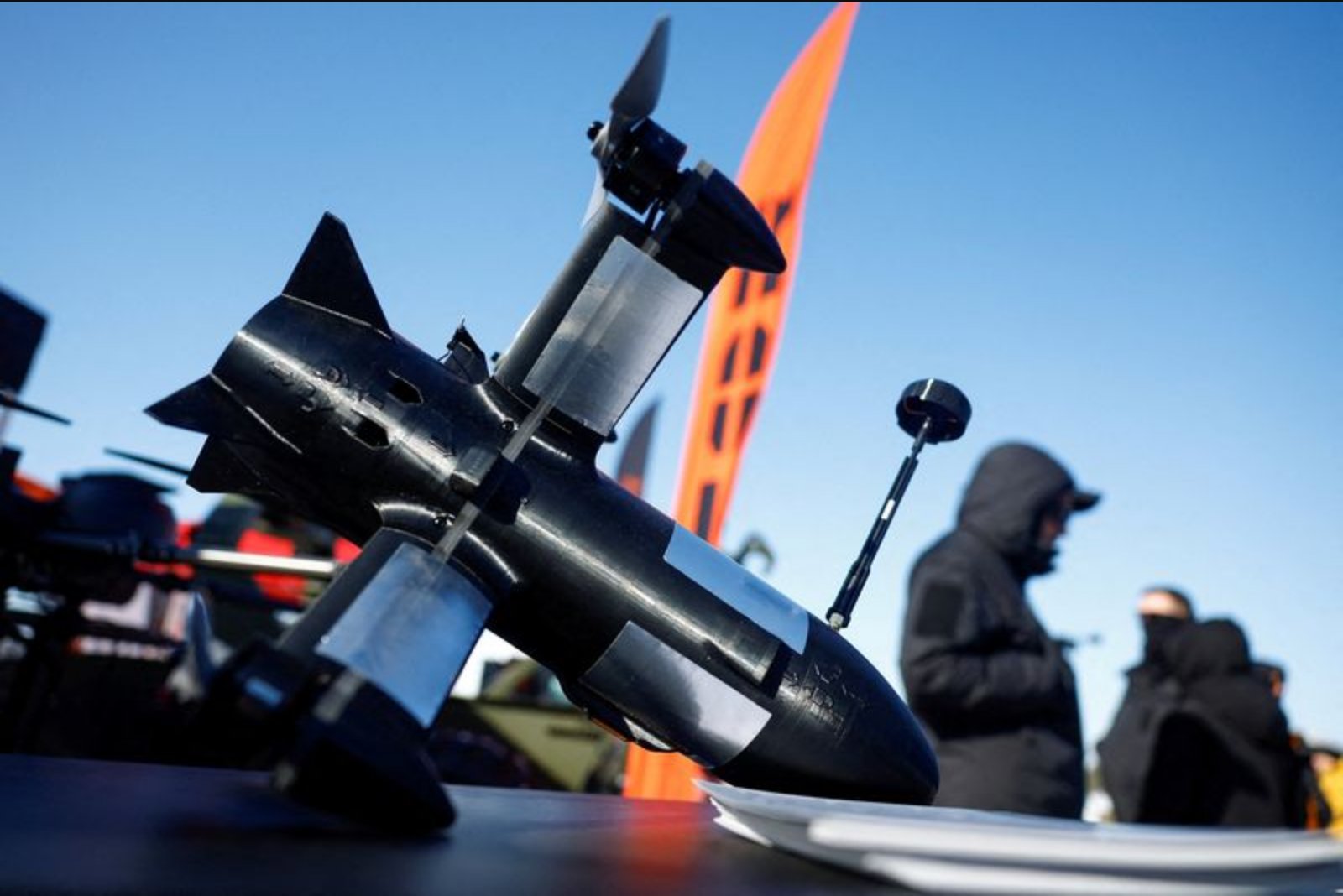
Manufacturers of low-cost interceptor drones in Ukraine say they have the industrial capacity to sell systems abroad after four years of combat-driven development and deployment. The firms report enquiries from the United States and from nations in the Middle East as attacks involving Iran-linked drones intensify, and Kyiv is signalling it could assist partners if authorised by its government.
Demand drivers
Across Ukrainian skies, hundreds of cheap attack drones modelled on Iran's Shahed design and produced in Russia have become a persistent threat. Western-supplied missiles, fighter jets, truck-mounted guns and interceptor drones have been used to destroy many of those incoming systems. As Iran has launched drones at U.S. allies in the Gulf and beyond in reaction to intensive U.S. and Israeli strikes, countries in the region and the United States have sought help in countering such attacks.
Kyiv's leadership has signalled willingness to support requests for assistance. President Volodymyr Zelenskiy said the government would provide help following a U.S. request and noted that Middle Eastern nations had approached Kyiv. He did not provide operational details on the assistance. A separate source with direct knowledge told Reuters that the United States and Qatar were discussing purchases of Ukrainian interceptor drones.
Production capacity and battlefield record
SkyFall, a leading Ukrainian drone manufacturer that also produces interceptors, says its factory output has outstripped domestic demand. A company representative who uses the call-sign Ares and spoke while wearing a balaclava to conceal his identity said SkyFall had received interest and inquiries from allied states and from Middle Eastern countries. He said the company would provide assistance if it received approval from the Ukrainian government and so long as exports would not compromise Ukraine's own defences.
SkyFall reports that its P1-SUN interceptor has been credited with destroying more than 1,500 Shahed-type drones and more than 1,000 other unmanned systems since it entered operations four months ago. During a visit to one of the company's facilities, long rows of 3D printers were observed producing plastic drone parts and assembly halls were in operation with workers soldering and assembling airframes. The company estimates it could produce up to 50,000 interceptor drones per month and that it could export between 5,000 and 10,000 units monthly without impinging on Ukraine’s requirements.
Ihor Fedirko, chief executive of UCDI, the state-backed association of Ukrainian arms manufacturers, estimated that manufacturers of interceptor UAVs and other counter-drone systems were producing roughly twice the number needed by Ukraine's own military to counter the frequent Russian barrages.
Cost dynamics and operational use
Intercepting incoming drones with low-cost dedicated interceptors has become an attractive complement to traditional air-defence munitions because of the disparity in unit costs. Most Ukrainian interceptor drones cost a few thousand dollars or less. SkyFall sells certain models to Ukraine's military for around $1,000 per drone, though Ares said export pricing would most likely be higher while still being relatively inexpensive compared with alternatives.
By contrast, specialised missiles used in high-end air-defence systems can cost millions of dollars apiece. The PAC-3 missile used in Patriot systems can run to about $4 million for a single interceptor, and those missiles are typically reserved for heavier incoming threats. Shahed-136 style attack drones, designed in Iran and now being manufactured in large numbers by Russia, have been estimated to cost between $50,000 and $100,000 each. Industry representatives argue that interceptors offer a cost-efficient tool in the layered defence approach.
Ukraine's military reported that in February interceptor drones were responsible for taking down 70% of the drones destroyed in and around Kyiv, underscoring how the systems have been integrated into the country's layered air-defence posture.
Export challenges - training and command
Industry officials say one of the main barriers to wider deployment of Ukrainian interceptors abroad is not the hardware itself but the personnel who operate them. Ukraine is currently the only country whose drone crews have combat experience with these specific interceptor systems. Training new pilots is a time-consuming process.
SkyFall operates a training academy that runs a three-week course to qualify new pilots. The company said it would be prepared to send instructors overseas to train foreign crews if the Ukrainian government permitted exports. SkyFall also reported that it has developed remote piloting capabilities, allowing drones to be operated from a screen in Ukraine, which could offer an alternative to deploying crews abroad if export approvals are granted.
Domestic priorities and export conditions
Both company officials and the industry association emphasised that any sales or assistance would be conditional on ensuring Ukraine's own defence needs were not compromised. Ares said SkyFall would only proceed with exports if it received the green light from Ukraine's government and if transfers did not affect the country's ability to defend itself.
While Ukrainian firms indicate they can scale production and have received external enquiries, details on specific contracts, quantities to be exported and timelines remain dependent on government approvals and on logistics such as training and command arrangements for foreign operators.
Reporting on production estimates, battlefield performance and statements by industry representatives and government officials reflects information provided by Ukrainian companies, the UCDI association and Ukrainian official statements. Details on international negotiations were described by a source familiar with discussions.