
Overview
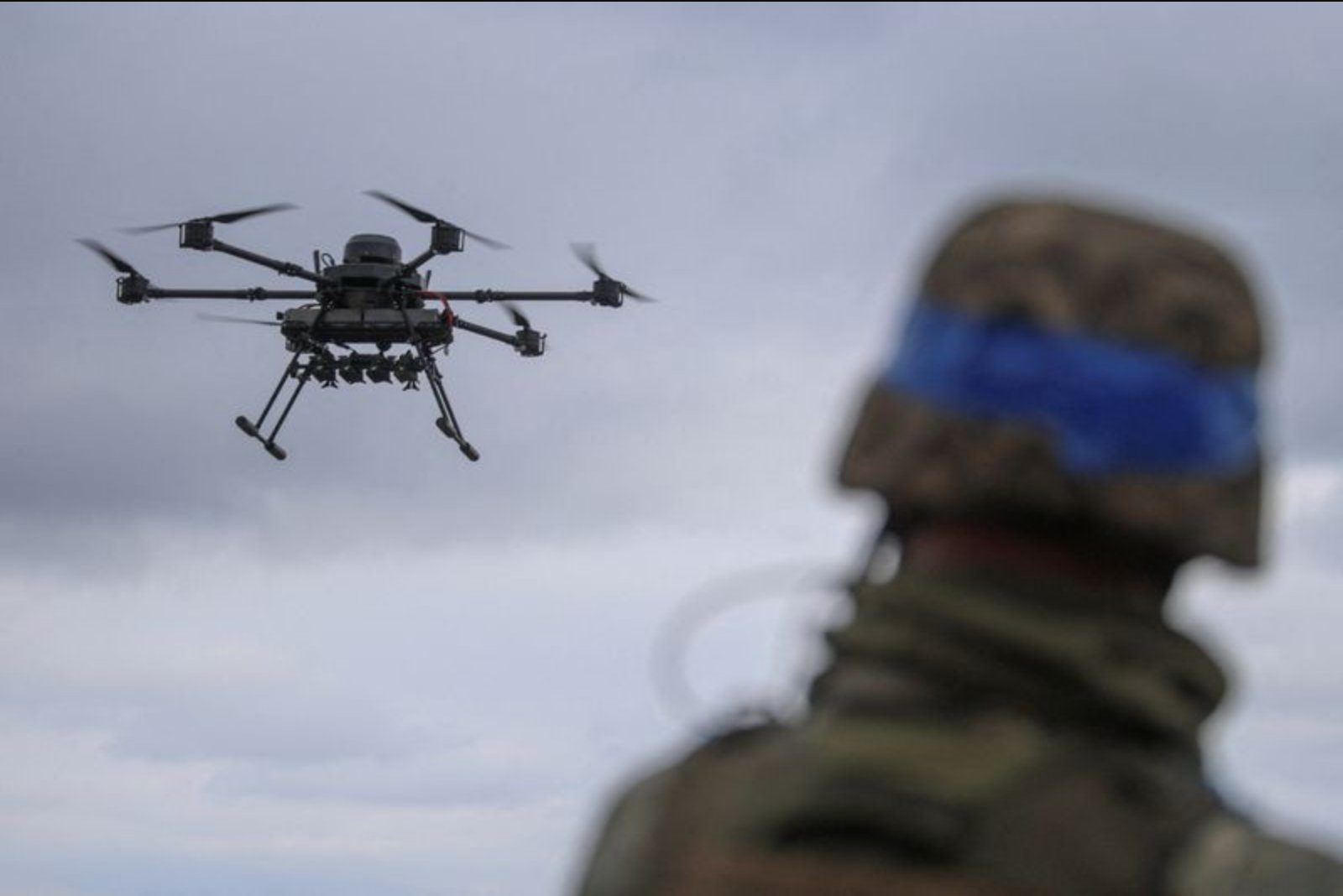
Ukraine is preparing to resume limited wartime exports of defence materiel and services after approving a large share of licence applications, and officials estimate the value of potential exports this year could reach several billion dollars. The move comes as Kyiv balances its own pressing military requirements against international demand for its battlefield-tested systems and components.
Licence approvals and scale
Earlier this month, the state commission responsible for issuing wartime licences authorised the majority of 40 applications submitted by defence sector companies for export of materiel and services, according to Davyd Aloian, deputy secretary of the National Security and Defence Council and a member of that commission. Aloian told Reuters in an interview that, when accounting for finished products, spare parts, components and services that can be provided, the export volume for this year "amounts to several billion dollars." He added that the overall potential is "significantly higher" than pre-war export levels.
Despite that estimate, Aloian cautioned against expectations of an immediate, large-scale surge in outbound weapons sales. He stressed the primacy of Ukraine's own defence needs - noting that Russian forces continue to press forward in the east and that airstrikes are striking towns and cities well away from the frontline.
Which exports are approved
Aloian said none of the applications approved so far involve the export of ready-to-use weapons. Rather, the majority of approvals are intended to facilitate reimport of arms into Ukraine for use on the frontline. A subset of licences relates to equipment for the Ukraine-U.S. FrankenSAM programme, which seeks to develop surface-to-air missile systems by combining Soviet-era systems held by Ukraine with Western missiles.
Foreign interest and preferred partners
Allied countries have shown interest in acquiring Ukrainian defence technologies. Aloian listed Germany, Britain, the United States, Nordic countries, three Middle East nations, and at least one Asian country among those most keen. He said one of the Middle Eastern countries - which has a long history of arms trade with Ukraine - is exploring deals in drones and heavy vehicles, but he declined to identify it.
When authorising exports, Kyiv intends to prioritise countries that are its strongest supporters in the conflict. Aloian also emphasised that Kyiv will prefer arrangements that go beyond one-off sales - such as joint ventures and other cooperative frameworks - to channel finance, build new supply chains to the frontline, and secure access to additional technologies. In his view, those partnerships are "more important than the simple export of ready-to-use products."
Industry pressure and commercial considerations
Defence manufacturers have been urging a resumption of exports, warning that continued restrictions could lead to missed opportunities on the global arms market. Some companies have already set up foreign subsidiaries to do business abroad. Aloian acknowledged these concerns but framed them within a system that puts frontline and national interests first: "There is no desire or goal to lock all manufacturers in here and just keep our own... There is an approach, and it is focused on making a system that prioritises the frontline and national interests," he said. "And then come commercial interests."
Possible export tax
Kyiv is also considering implementing an export tax on defence producers. While no final decision has been reached, Aloian said he believes such a measure could justify the state resuming export activity by allowing Kyiv to channel revenue toward its own underfinanced military needs.
Context and constraints
Ukraine halted weapons exports after Moscow's February 2022 invasion and has since depended heavily on allied arms supplies for its defence. At the same time, Kyiv directed resources toward expanding its armaments industry, notably producing drones and missiles and drawing on extensive battlefield experience to accelerate defence-related technological development. Aloian noted that U.S.-brokered peace talks are currently stuck because of Russian demands for territorial concessions, a point he raised when discussing the continued priority of Ukraine's own military readiness.
Implications for production and supply chains
The government’s stated preference for joint ventures and cooperative production suggests Kyiv is aiming to attract foreign capital and technology while ensuring supply lines to the frontline. Approved licences geared toward reimportation indicate an immediate focus on sustaining Ukraine's combat capabilities rather than expanding commercial exports of finished weapons systems.