
World February 25, 2026

Ukraine Says Over 1,780 African Nationals Are Fighting for Russia, Accuses Moscow of Deceptive Recruitment

Ukrainian and Ghanaian officials warn of fraudulent enlistment schemes and pledge measures to protect African citizens amid rising reports of lured fighters

By Nina Shah
Ukraine Says Over 1,780 African Nationals Are Fighting for Russia, Accuses Moscow of Deceptive Recruitment

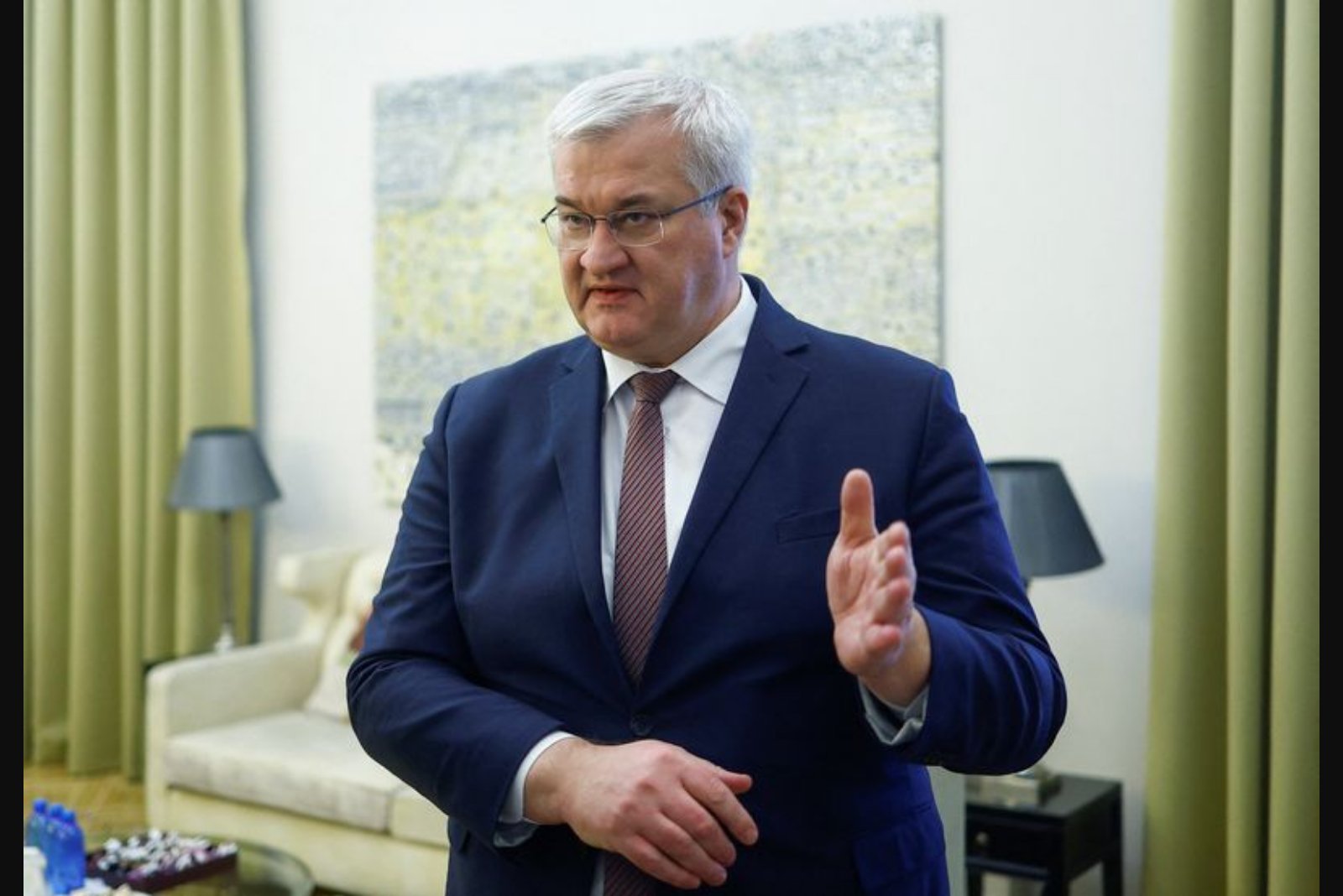
Ukrainian Foreign Minister Andrii Sybiha told a news conference that more than 1,780 people from 36 African countries are currently fighting for Russia, and accused Russian authorities of using deception to recruit them. Ghana’s foreign minister described many of those fighters as victims of online scams promising ordinary jobs. Officials said they are coordinating with African governments to prevent further enlistment and to address prisoners of war.

Key Points

  • Ukrainian government data indicate more than 1,780 African nationals from 36 countries are fighting for Russia - sectors affected include international security and diplomatic relations.
  • Ghanaian officials say many recruited Africans were lured via online channels with promises of ordinary jobs and lacked military training - this raises concerns for migration and human trafficking oversight.
  • Kyiv and African governments are holding talks and Ghana plans to use its upcoming African Union regional leadership to promote awareness campaigns about deceptive recruitment practices - this could affect diplomatic engagement and public policy initiatives.

Ukrainian Foreign Minister Andrii Sybiha said on Wednesday that his government’s data show more than 1,780 citizens from across Africa are currently serving in the Russian armed forces, and he accused Moscow of employing deceptive tactics to bring them into the conflict in Ukraine.

Speaking at a joint news conference with Ghana’s foreign minister, Sybiha said the African fighters originate from 36 different countries. He said Kyiv is engaging with governments throughout the continent to try to stop their citizens from being pulled into what he described as schemes aimed at recruiting them into the war.

"We clearly see that Russia is trying to drag African citizens into a deadly war," Sybiha said. He added that discussions were under way with African governments to prevent their nationals from being drawn into such arrangements.


Ghana’s Foreign Minister Samuel Okudzeto Ablakwa echoed concerns about recruitment methods, saying many of the Africans fighting for Russian forces were deceived and recruited through online channels. Ablakwa said those recruited were promised ordinary jobs through dark web channels and that many of them lacked military training or any security background.

"They have no security background. They have no military background. They have not been trained," Ablakwa said. "They were just lured and deceived, and then put on the frontlines."


Russian authorities have denied allegations that they are illegally recruiting African citizens into their armed forces. Despite those denials, reports have grown of men from African countries being attracted to Russia by promises of employment and subsequently finding themselves on Ukraine’s front lines. Those developments have created tensions between Moscow and some of the African countries involved, according to the officials.

Ablakwa expressed solidarity with Ukraine and reiterated a call for a ceasefire to end the fighting, which marked its fourth anniversary on Tuesday. He also said he would request that Ukrainian President Volodymyr Zelenskiy arrange the release of two Ghanaian prisoners of war who were captured while fighting for Russia.

Looking ahead to Ghana’s upcoming year as chair of the African Union regional bloc, Ablakwa said Accra will promote public-awareness initiatives aimed at exposing trafficking and recruitment networks that deceptively enlist African citizens for service with Russian forces.

Officials said cross-government discussions and awareness campaigns are under way, but details on the scope and timing of those measures were not provided at the press briefing.

Risks

  • Allegations of deceptive recruitment have heightened tensions between Russia and affected African governments, posing diplomatic risks - this could complicate international relations and multilateral cooperation.
  • Uncertainty persists because Russian authorities deny illegal recruitment, leaving questions over verification and accountability - this creates legal and human-rights risks for individuals and governments involved.
  • The presence of African nationals on the front lines and reports of prisoners of war create humanitarian and consular challenges, with potential impacts on migration, remittances, and public safety in their home countries.

More from World

Canada Presses OpenAI to Strengthen Safety Measures or Face Legislation Feb 25, 2026 Rubio Holds Caribbean Talks as Leaders Warn Cuba Crisis Could Ripple Across Region Feb 25, 2026 Supreme Court Panel Convicts Ex-Lawmaker and Associates in Marielle Franco Killing Feb 25, 2026 OpenAI Reveals Bans After ChatGPT Used in Dating Scams, Fake Law Firms and Influence Operations Feb 25, 2026 Settlers Burn Vehicles and Tents in Susiya, Residents Say Feb 25, 2026