
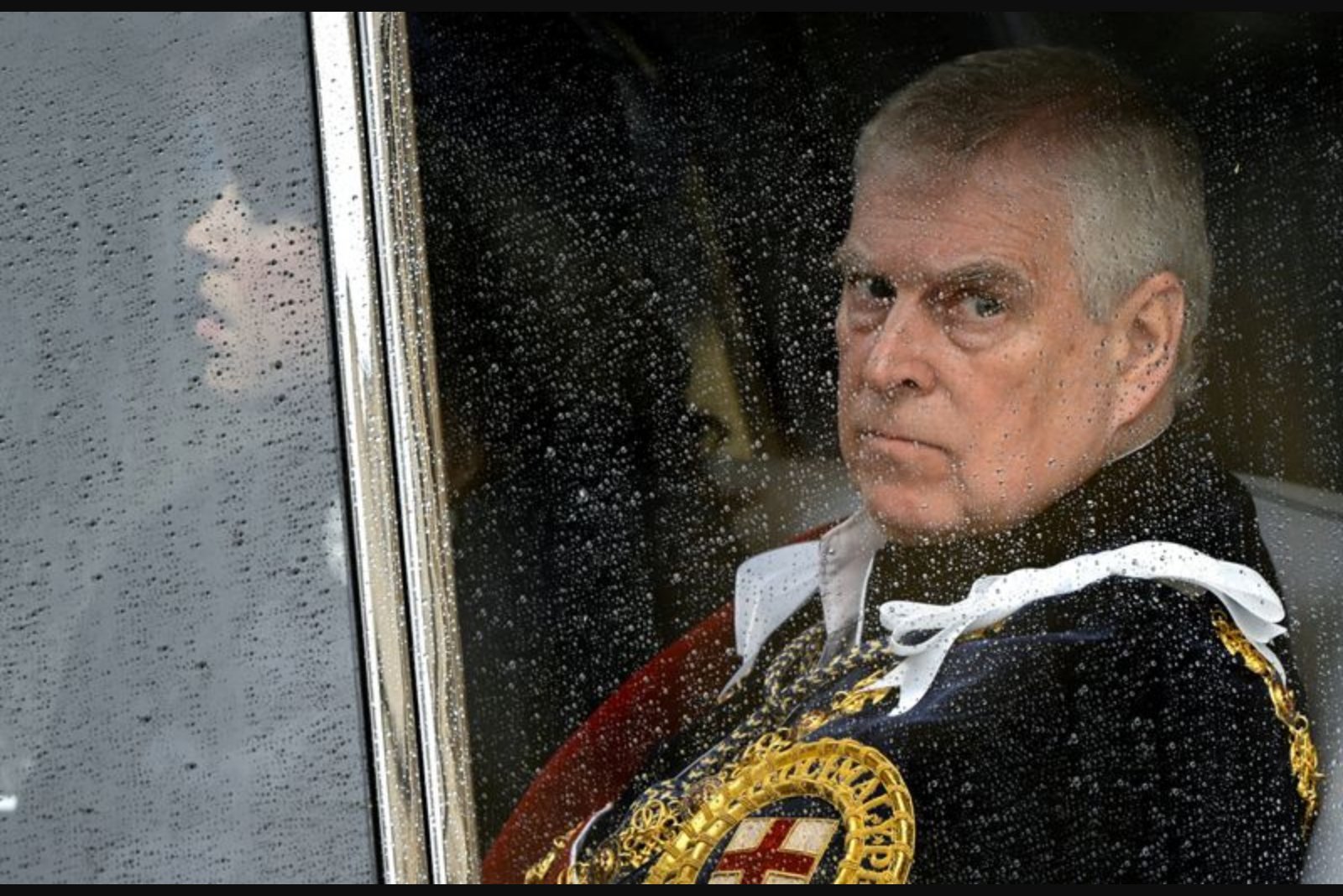
The British government has given its backing to a parliamentary demand to publish the records associated with Andrew Mountbatten-Windsor's appointment as a trade envoy, a move prompted by intensifying scrutiny over his links to convicted sex offender Jeffrey Epstein.
Mountbatten-Windsor - formerly known as Prince Andrew - served as the UK's Special Representative for International Trade and Investment from 2001 to 2011. In that unpaid role he travelled internationally and met senior figures in business and government. The documents sought by lawmakers concern the vetting and appointment process for that post.
The decision to release the files came after Mountbatten-Windsor's arrest last week on suspicion of misconduct in public office - the first arrest of a member of the British royal family in more than three centuries. He was questioned by police and has consistently denied any wrongdoing in relation to Epstein, saying he regrets their friendship.
Police interest in Mountbatten-Windsor intensified after the U.S. government released emails and related documents that appeared to show he had forwarded material to Epstein while he was serving as a trade envoy. Trade envoys are normally restricted from sharing such material under confidentiality rules, and the existence of those exchanges prompted fresh questions from MPs.
Pressure for disclosure built in the House of Commons during a debate where some lawmakers argued the long-standing convention that prevents criticism of the royal family in parliamentary proceedings should be reconsidered, given Mountbatten-Windsor's stripped titles and the seriousness of the allegations.
Chris Bryant, a junior trade minister, used strong language in describing Mountbatten-Windsor's conduct while in the envoy role, saying he had been on "a constant self-aggrandising, self-enriching hustle" and calling him "a rude, arrogant and entitled man who could not distinguish between the public interest which he said he served, and his own private interest."
Members of opposition parties were prominent among those calling for the records to be produced. At least four MPs urged that the parliamentary convention shielding the royal family from criticism should end. Brendan O'Hara, a Scottish National Party MP, said: "These arcane rules make a mockery of our democracy. Nobody, regardless of rank or privilege, should or must be above the law."
The Speaker of the House of Commons had authorised discussion of the former prince on the grounds that he no longer held royal titles, after being stripped of them. The Liberal Democrats pushed the government to agree to compel document release through a traditional parliamentary mechanism known as a humble address.
Parliament voted unanimously in favour of the motion to instruct the government to provide the files. Bryant said the government supported the request and would try to make the documents available as quickly as possible, while noting officials must first ensure any publication would not prejudice the ongoing police inquiry.
Officials acknowledged the potential sensitivity of the material. Publication of the vetting records could prove embarrassing for individuals who served in the administration that approved Mountbatten-Windsor's appointment, including those who served under then Prime Minister Tony Blair, and for members of the royal household. The royal family is already confronting what was described in sources as its most serious crisis in decades related to the former prince's connections to Epstein.
Mountbatten-Windsor has remained publicly silent since the U.S. release of more than 3 million pages of documents connected to Epstein, who had been convicted in 2008 of soliciting prostitution from a minor. Those files suggested that in 2010 Mountbatten-Windsor forwarded reports about official visits to locations such as Vietnam and Singapore to Epstein.
The government statement and parliamentary action mark a notable shift toward transparency in response to public concern, while authorities balance the disclosure of potentially sensitive records against the need to protect an active criminal investigation. Lawmakers said the move was necessary to uphold accountability in appointments to represent the UK on the international stage.
How quickly the documents will be published remains subject to the outcome of official checks aimed at avoiding interference with policing activity. For now, MPs and the public await the release of the vetting files and further clarity on the full circumstances of Mountbatten-Windsor's conduct as a trade envoy.