
LONDON, March 17 - The British government said on Tuesday it has opened an inquiry into how confidential details from a top-secret national security meeting were disclosed to a journalist. The meeting addressed a U.S. request to use British military bases at the outset of the Iran conflict.
According to the material that was leaked, Prime Minister Keir Starmer initially refused the U.S. request to operate from the Indian Ocean base of Diego Garcia and from RAF Fairford in England. He subsequently permitted U.S. use of those bases for what were described as "defensive" strikes against Iranian targets.
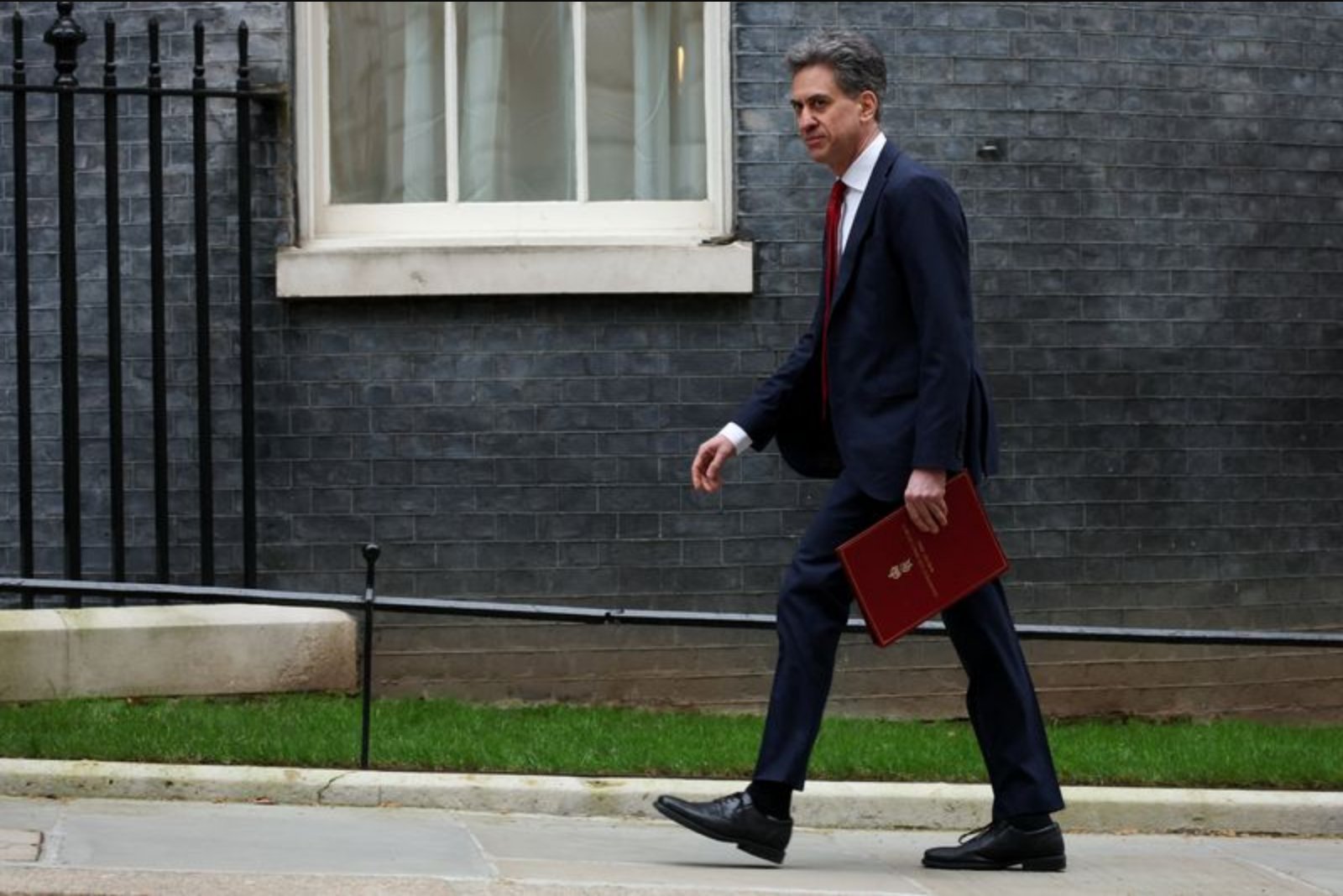
The leak also conveyed that senior ministers who attended the National Security Council meeting were split on whether to grant the original U.S. request. The report said Starmer supported giving the United States permission, while opposition came from two senior members of his cabinet - the energy minister Ed Miliband and the finance minister Rachel Reeves.
Antonia Romeo, the government's most senior official, notified an opposition politician in writing that an inquiry into the disclosure has begun. In her letter, she stressed the damage such leaks can do to Britain's relationships with other countries and highlighted the particular sensitivity of ties within the U.S.-led "Five Eyes" intelligence alliance.
Romeo wrote: "The government is conducting an inquiry into this unauthorised disclosure which draws on the full range of powers at their disposal."
When asked for additional comment, a government spokesperson said: "We don’t have anything to add to the letter for now."
The public reporting of the internal discussion has also drawn criticism from U.S. President Donald Trump. Since the Iran conflict began, he has repeatedly excoriated Prime Minister Starmer, alleging he has not done enough to assist the United States. On Monday, the president said there were "some countries that greatly disappointed me" and then named Britain, saying it had once been regarded as "the Rolls-Royce of allies".
Background material made public by the leak describes both the initial refusal and the later decision to authorize limited use of the bases for defensive operations, and identifies a divergence of views among senior cabinet figures. The government has confirmed an inquiry is underway and signalled it will employ the full scope of available powers in pursuit of those responsible for the unauthorised disclosure.
At present, officials have provided no further detail beyond the letter from Antonia Romeo and the brief comment from the government spokesperson. The inquiry announcement reiterated that leaks of classified deliberations can undermine international cooperation and relationships that the United Kingdom relies upon.