
World March 1, 2026

UK Grants U.S. Access to British Bases for Targeted Defensive Strikes on Iranian Missile Sites

Starmer says move aims to stop missiles at source after attacks struck locations with British citizens

By Jordan Park
UK Grants U.S. Access to British Bases for Targeted Defensive Strikes on Iranian Missile Sites

British Prime Minister Keir Starmer said the UK has approved a U.S. request to use British bases for narrowly defined defensive strikes against Iranian missiles in storage depots or launchers. He stressed the decision follows sustained Iranian attacks across the region that have hit airports and hotels where British nationals were staying, and framed the move as collective self-defence to protect British lives.

Key Points

  • UK accepted a U.S. request to use British bases for narrowly defined defensive strikes on Iranian missile storage depots or launchers - impacts defense and regional security sectors.
  • Starmer reiterated Britain did not take part in the joint U.S.-Israel strikes that, he said, killed Iran's Supreme Leader and said the UK will not join further waves of strikes - impacts diplomatic and geopolitical risk assessments.
  • British jets are already engaged in coordinated defensive operations and have intercepted Iranian strikes; permission to use bases is presented as necessary to address the threat at its source - impacts defense contractors and military logistics sectors.

British Prime Minister Keir Starmer announced on Sunday that the United Kingdom has agreed to a United States request to permit the use of British military bases for narrowly limited defensive strikes aimed at Iranian missiles stored in depots or on launchers.

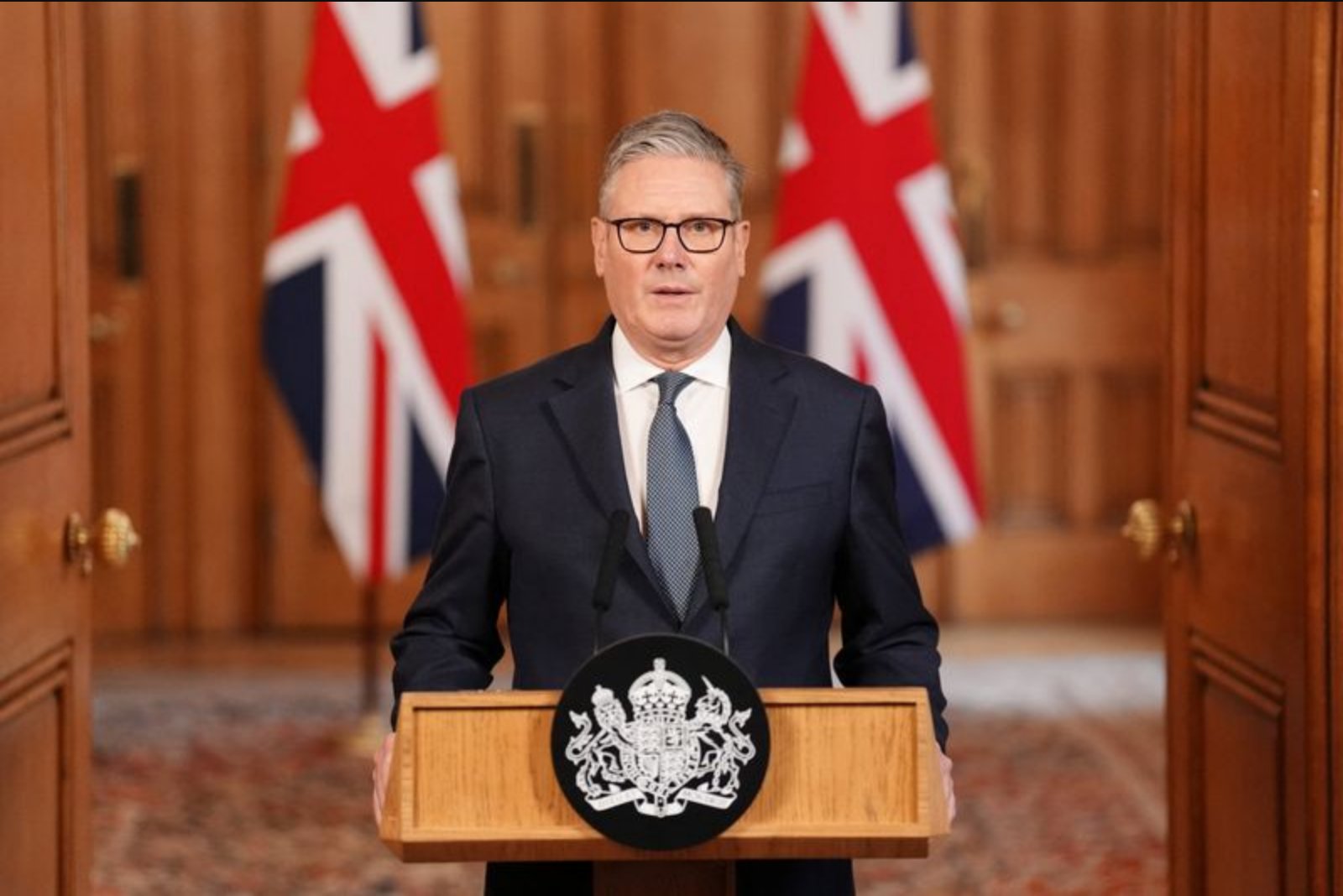
In a video message posted to X, Starmer said: "The United States has requested permission to use British bases for that specific and limited defensive purpose. We have taken the decision to accept this request to prevent Iran firing missiles across the region."

Starmer reiterated that Britain was not involved in the joint U.S.-Israel air strikes on Iran that, he said, killed the country’s Supreme Leader Ali Khamenei on Saturday. He emphasized that the UK would not take part in any additional waves of strikes.

But the prime minister said Iran had responded with sustained attacks across the region and that some of its missiles had struck airports and hotels where British citizens were staying. "But Iran is striking British interests nonetheless, and putting British people at huge risk," he said, framing the new permission as a protective measure.

Starmer noted that British fighter jets were already participating in coordinated defensive operations and had intercepted Iranian strikes. He argued, however, that removing the threat required destroying missiles at their origin - in storage depots or launchers - rather than only intercepting them in flight.

He said Britain’s partners in the Gulf had asked the UK to increase its defensive measures and described his acceptance of the U.S. request as rooted in "the collective self-defence of long-standing friends and allies and protecting British lives" in accordance with international law.

Starmer also stressed that the UK’s prior decision not to participate in the strikes on Iran had been intentional, citing a preference for a negotiated resolution in which Iran abandons aspirations to develop a nuclear weapon. He said that position had not prevented Iran from targeting British interests.


Summary: The UK has granted the U.S. permission to operate from British bases for a narrowly defined defensive purpose - to strike Iranian missiles in storage or on launchers - a move the prime minister framed as necessary to protect British lives after missiles struck locations housing British citizens.

Risks

  • Escalation risk - further military actions could heighten regional tensions and affect defense and energy markets.
  • Risk to British citizens - missiles have struck airports and hotels where British nationals were staying, creating ongoing safety and travel risks for the hospitality and aviation sectors.
  • Legal and diplomatic uncertainty - using bases for strikes invokes questions of international law and allied coordination, affecting defense procurement and foreign policy planning.

More from World

Trump Says Iran Conflict May Last About Four Weeks, Says He Is Open to Talks Mar 1, 2026 Zelenskiy Urges That Recent Shifts in Iran Be Harnessed for the People Mar 1, 2026 EU Urges Maximum Restraint and Respect for International Law Amid Iran Strikes Mar 1, 2026 Khamenei assassination plunges Iran into critical test of its political order and security apparatus Mar 1, 2026 Trump says U.S. forces are sinking Iran's navy as strikes intensify Mar 1, 2026