
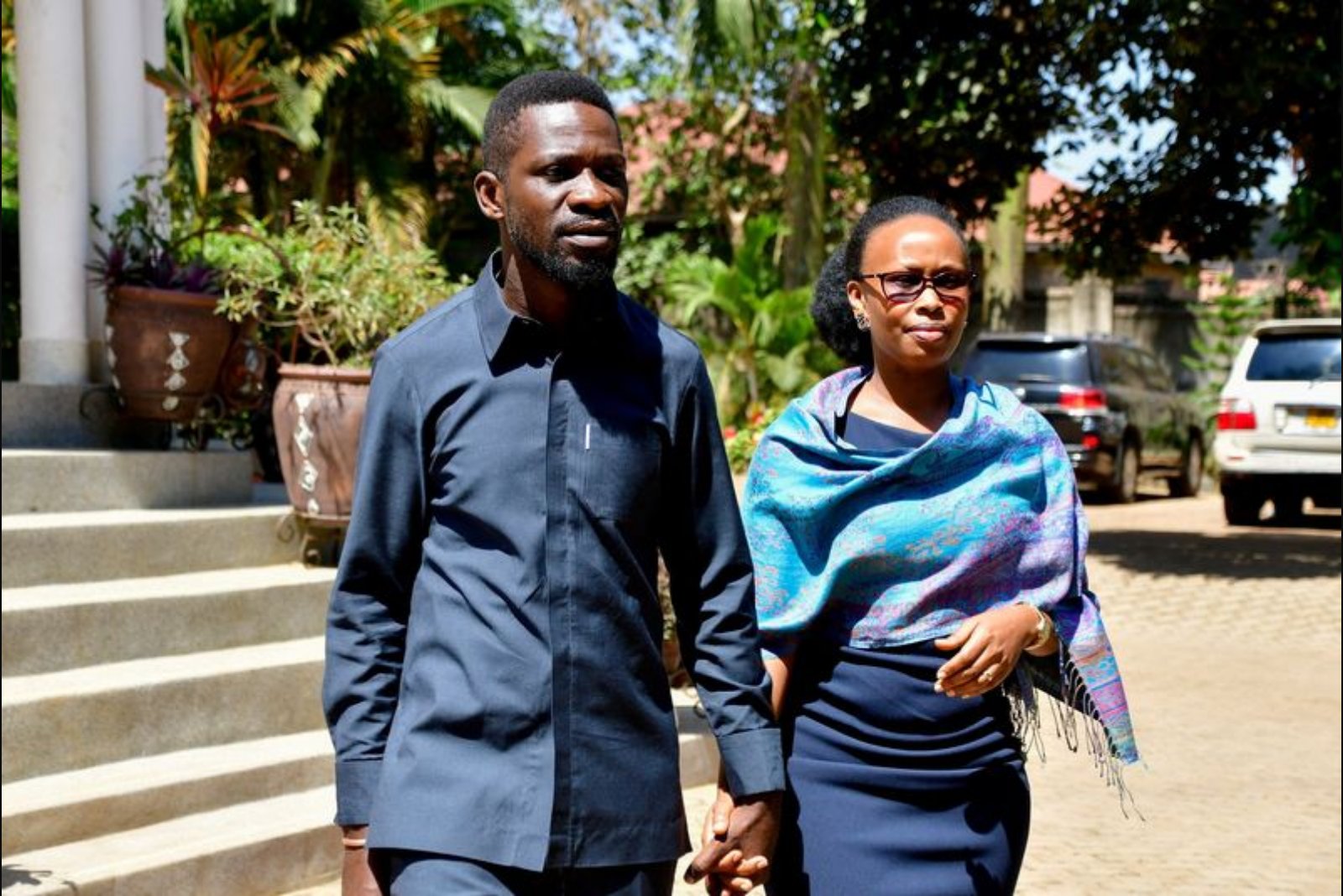
Uganda’s Information Minister publicly condemned a military raid on the home of opposition leader Bobi Wine, saying the popular musician-turned-politician had not broken the law and was free to go back to his house. The minister, who also serves as the government’s spokesperson, told reporters that the authorities will look into the episode.
Bobi Wine has been in hiding for weeks after leaving his home in Kampala just hours before election results were announced on January 15, which named President Yoweri Museveni the winner and Wine the runner-up. On January 24, Wine reported that soldiers had entered his residence and that his wife had been taken to hospital. He alleged the soldiers partially undressed and choked her.
Uganda’s military chief, Muhoozi Kainerugaba - who is President Museveni’s son - denied that soldiers assaulted Wine’s wife, but subsequently posted on X that they had "captured and then released" her. The army chief has also posted that the military is actively looking for Wine, who has rejected the election result and alleged fraud. Kainerugaba has not publicly stated the reason he claims the military is seeking Wine or what criminal charges, if any, might apply.
Responding to the reported raid and the conflicting accounts, the Information Minister said: "We do not condone any acts of indiscipline on the side of the army and security forces." He added that "invading his (Wine’s) home, causing damage, assaulting his wife, or anybody, is wrong." The minister declined to specify whether security personnel would face disciplinary action or legal penalties if an investigation finds they violated the law.
A spokesperson for Wine’s National Unity Platform party did not reply to calls and messages seeking comment.
The episode occurs against a backdrop of longstanding claims from rights groups and opposition figures that the government has used the military to suppress dissent. The government denies those accusations. The army chief’s public comments have at times been contentious: he has a history of controversial social media posts that he often later deletes, including a prior threat to behead Wine and a boast that the military had killed 30 opposition supporters.
The Information Minister sought to separate Kainerugaba’s online remarks from formal policy, saying such posts should be seen as "casual comments that do not reflect state policy and state decisions."
On the international front, the minister also addressed recent commentary about Uganda’s role in regional peacekeeping. He said Uganda had no plans to withdraw its troops from an African Union mission in Somalia to fight jihadists, a statement that directly contradicted a recent social media post by Kainerugaba in which the army chief threatened to pull troops from Somalia over financing issues.
The minister’s remarks underscore a split in tone between official government statements and comments coming from the army chief on social media. Authorities have promised an investigation into the home raid, but details remain limited: there has been no public announcement of charges against Wine, and the army has not provided a clear explanation for its reported search for him.
As the inquiry proceeds, several questions remain unanswered in public statements: what legal basis, if any, exists for the search, whether any personnel will be held accountable if wrongdoing is confirmed, and how the differing messages from the military command and government spokesmen will be reconciled.