
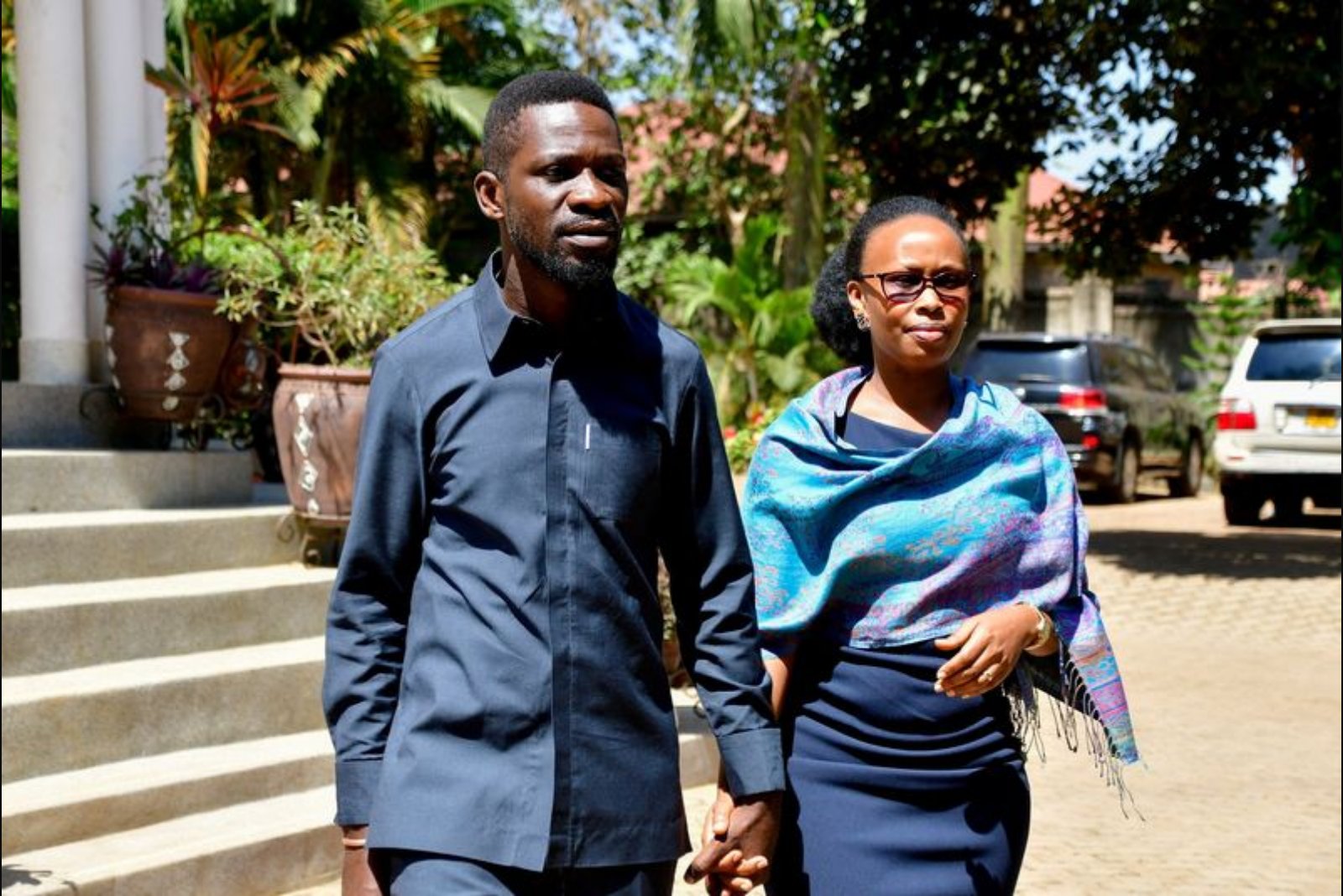
Uganda’s Information Minister Chris Baryomunsi has publicly denounced a military operation last month at the home of opposition politician and former popstar Bobi Wine, saying the action was unacceptable and that Wine had not broken the law and was free to return to his residence.
Bobi Wine has remained out of public view for several weeks after leaving his home in Kampala hours ahead of being declared the runner-up in the January 15 presidential election. On January 24, Wine said soldiers entered his family home and that his wife was taken to hospital, alleging that troops partially undressed and choked her during the incursion.
The military’s top officer, Muhoozi Kainerugaba - who is also President Yoweri Museveni’s son - initially denied that soldiers assaulted Wine’s wife. He later posted on the social media platform X that they had "captured and then released" her. Baryomunsi told Reuters the matter would be subject to an investigation by authorities.
"We do not condone any acts of indiscipline on the side of the army and security forces," Baryomunsi said in an interview. "So invading his (Wine’s) home, causing damage, assaulting his wife, or anybody, is wrong." He declined to say whether security personnel would face penalties should investigations find legal breaches.
A spokesperson for Wine’s National Unity Platform did not respond to calls and messages seeking comment.
Kainerugaba has posted on social media that the military is searching for Wine, who has rejected the election outcome and alleged fraud. The army chief has not publicly explained the precise reasons for seeking Wine or specified any alleged crime he might face.
Human rights organisations and opposition figures have long accused the government of using military force to stifle dissent, allegations the administration denies.
On the question of international deployments, Baryomunsi said Uganda does not intend to withdraw its troops participating in an African Union mission to combat jihadists in Somalia. His statement stood in contrast to recent remarks by Kainerugaba, who last week warned on X that he might pull Ugandan forces from Somalia over financing concerns.
Kainerugaba has a record of contentious social media commentary that he sometimes removes. Those past posts have included threats directed at Wine and claims about the killing of opposition supporters. Baryomunsi suggested such posts should be viewed as "casual comments that do not reflect state policy and state decisions."
Context and current posture
Baryomunsi’s remarks place the government formally on record as condemning alleged misconduct by members of the armed forces while also indicating that an official inquiry will determine whether any laws were broken. At the same time, discrepancies between statements from the presidential family’s senior military figure and the government spokesperson have left questions about policy consistency, particularly regarding security operations at home and commitments abroad.
The situation remains fluid: Wine is still in hiding since leaving his Kampala residence, the alleged assault on his wife has been contested by military leadership, and the army chief’s social media posts continue to generate attention and controversy.