
Ankara, March 3 - Turkey is conducting dialogues with all sides to seek a resolution to the war involving Iran and to push for a resumption of diplomacy, Foreign Minister Hakan Fidan said on Tuesday. He added that Turkey has also been in contact with Oman as the Gulf nation works on similar diplomatic efforts.
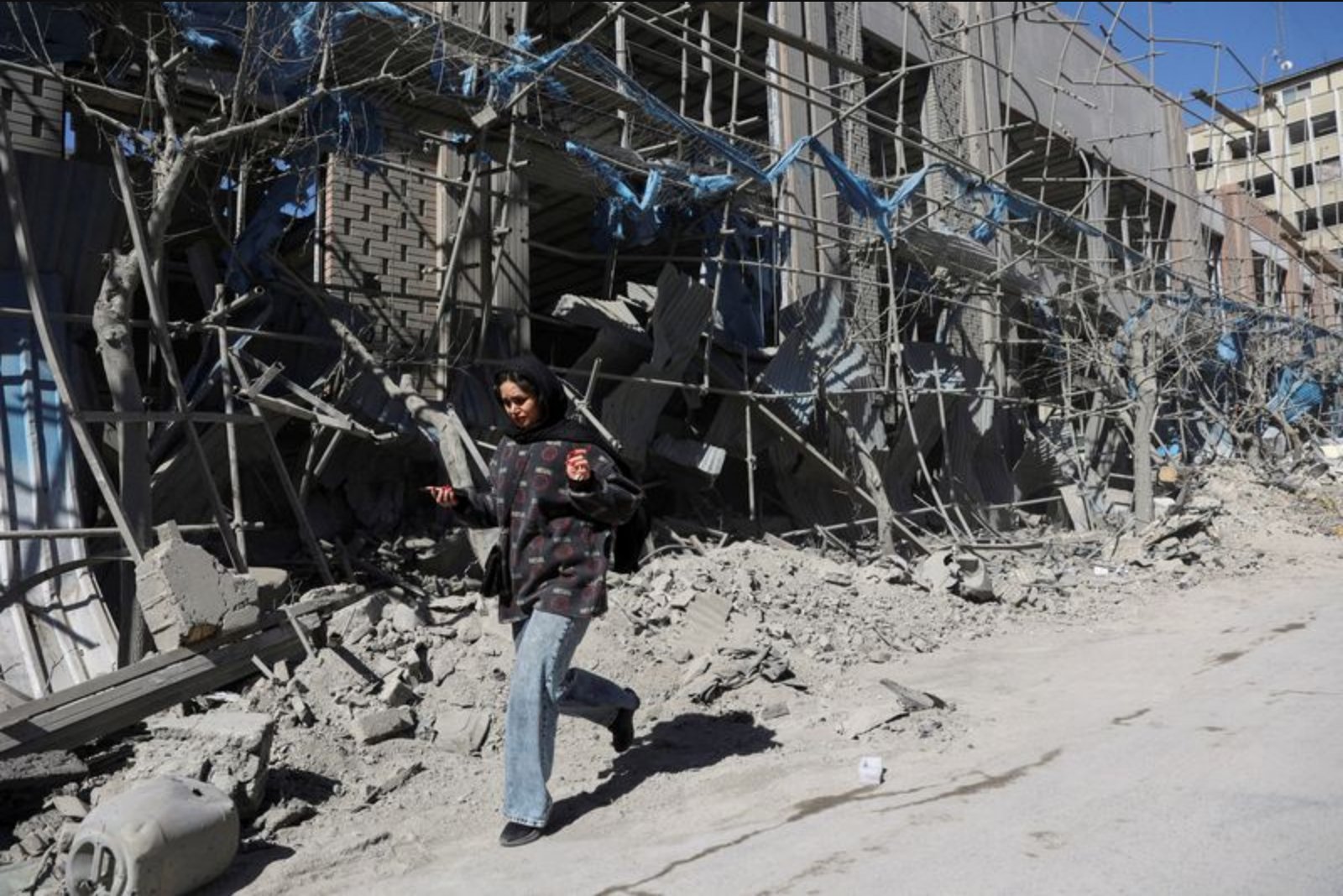
The conflict widened after the United States and Israel carried out strikes against Iran on Saturday. Hostilities expanded rapidly, with Tehran responding by striking Gulf states that host U.S. bases and Israel targeting Iranian-backed Hezbollah positions in Lebanon.
Turkey, a NATO member that borders Iran, had repeatedly urged both Washington and Tehran during their rounds of talks over Iran’s nuclear and missile programmes to reach an agreement, warning that the region could not withstand further destabilisation.
Speaking to members of the Turkish media at a Ramadan fast-breaking dinner, Fidan described Ankara’s approach as careful and inclusive. He said Turkey was "sensitively carrying out necessary initiatives with all our counterparts" to pursue peace, and stressed the importance of maintaining stability in Iran and across the region.
"There isn’t a single-layered negotiation, there is a multi-layered negotiation," Fidan said, according to a transcript of his remarks. "We have been talking to the Europeans for a few days... If you want peace, let’s work together. We are urging them to take action. The Gulf nations are now facing a serious situation."
Fidan said Turkish officials were in contact with the Omani foreign minister, noting that Oman is also attempting to take steps toward de-escalation. "We are talking to the Omani (foreign minister). Oman is also still trying to do something there. We are talking to the Americans," he added.
President Tayyip Erdogan, in what officials described as his strongest public criticism of the strikes on Iran, said on Tuesday that the attacks constituted a "clear violation" of international law.
Fidan cautioned that the conflict risked spreading throughout the region and could disrupt energy supplies. He warned that closure of the Strait of Hormuz - along whose waters about one-fifth of global oil trade passes near Iran’s coast - might "push the United States to obtain a quick result," underscoring the potential for rapid consequences if energy routes are affected.
The foreign minister said Iran appears to be attempting to "create costs" for the United States and its partners by striking Gulf states and energy infrastructure, but he expressed doubt that Tehran would achieve the outcome it seeks through such attacks. "By bombing these places, Iran will say they should pressure the United States and end the war, but that doesn’t seem like it will happen. I don’t know how much Iran has left," he said.
Fidan added that Tehran could instead choose to "bother" Israel with missile strikes, reflecting concerns about how the conflict could continue to shift geographically and involve additional actors.
The Turkish government’s public comments indicate Ankara is attempting to convene and coordinate multiple diplomatic threads - European interlocutors, Gulf states such as Oman and the United States - with the stated aim of halting wider escalation and reopening channels for negotiation.