
Overview
President Donald Trump on Monday warned he would block the opening of the new Gordie Howe International Bridge - a $4.6 billion crossing that will link Detroit and Windsor, Ontario - unless the United States receives what he described as full compensation and better treatment from Canada. The president cited a range of trade disputes, including Canada’s ownership stake in the bridge, the refusal by some Canadian retailers to stock certain U.S. alcoholic beverages, tariffs on Canadian dairy imports and Ottawa’s trade negotiations with China.
President’s statement and demands
In a social media message, Mr. Trump said: "I will not allow this bridge to open until the United States is fully compensated for everything we have given them, and also, importantly, Canada treats the United States with the Fairness and Respect that we deserve." He added: "We will start negotiations, IMMEDIATELY. With all that we have given them, we should own, perhaps, at least one half of this asset."
Project background and current status
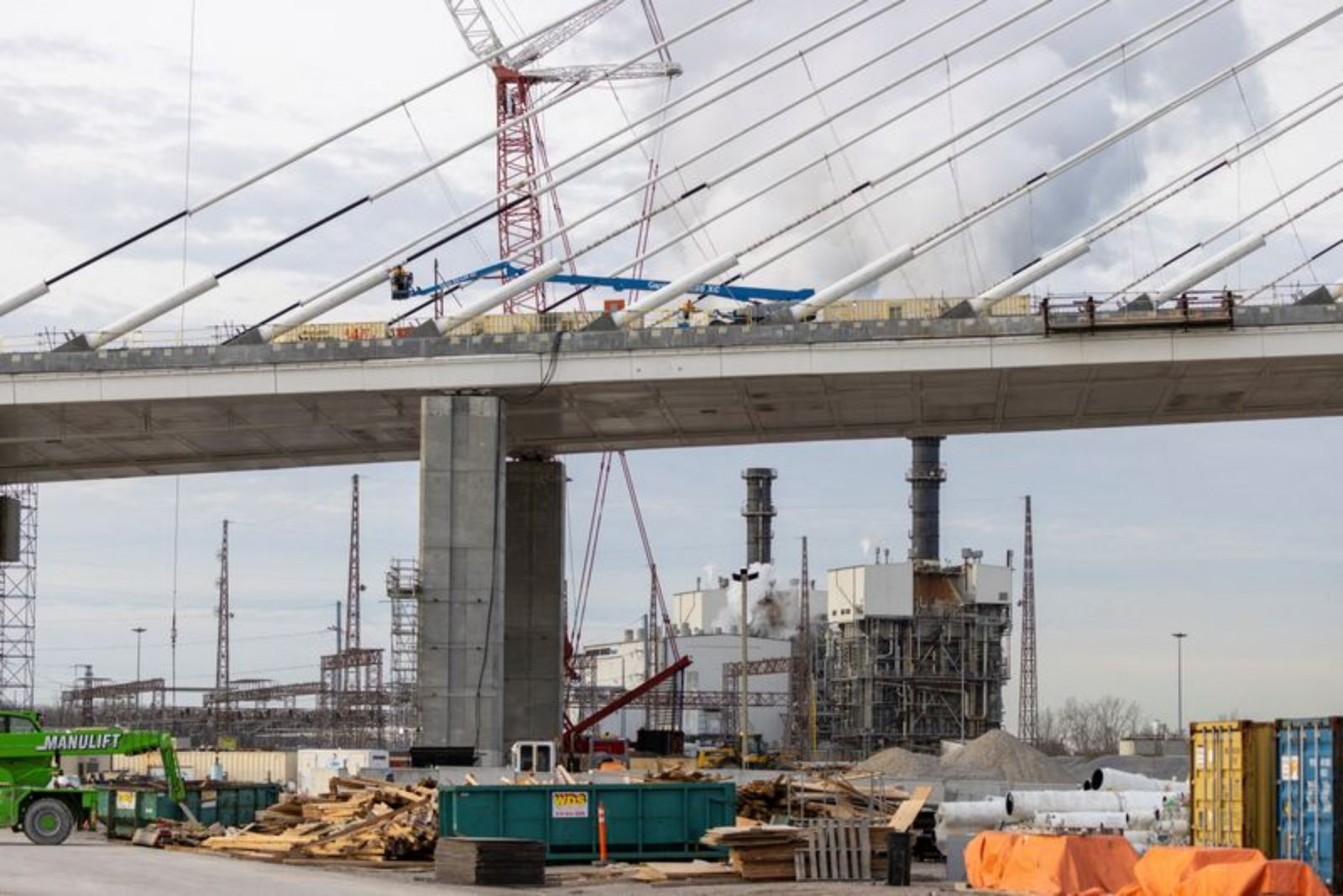
The arrangement to fund the Gordie Howe Bridge dates back to 2012 when then-Michigan Governor Rick Snyder accepted an offer by the Canadian government to cover most of the project’s costs and used an executive authority to bypass the state legislature. Construction on the crossing began in 2018 and the work is now approaching completion. On January 30, the U.S. Department of Homeland Security published a rule designating the new bridge as an official port of entry.
Responses and immediate reactions
Requests for comment made to the Canadian Embassy in Washington, the office of Michigan Governor Gretchen Whitmer and the bridge authority had not received immediate responses. In Michigan, Senator Elissa Slotkin, a Democrat, warned of significant consequences if the project were canceled. "Canceling this project will have serious repercussions. Higher costs for Michigan businesses, less secure supply chains, and ultimately, fewer jobs," she said. Slotkin added that the president was "punishing Michiganders for a trade war he started. The only reason Canada is on the verge of a trade deal with China is because President Trump has kicked them in the teeth for a year."
Freight and economic context cited for the bridge
Detroit is a major freight hub. In 2023 it was the second-largest U.S. freight port by value and the largest on the U.S.-Canada border, handling $126 billion in value traded by commercial trucks. Currently much of that truck traffic uses the Ambassador Bridge. Project proponents say the Gordie Howe Bridge will relieve congestion on that crossing. A University of Windsor study cited by supporters estimated the new bridge would trim about 20 minutes from crossing times and save truckers roughly $2.3 billion over the next 30 years.
Broader trade tensions and past threats
The president has repeatedly threatened measures against Canada during his second term, including sharply increased tariffs. Last month he warned of imposing a 100% tariff on Canada if it finalizes a trade agreement with China. The article noted that Canadian Prime Minister Mark Carney traveled to China in January to reset relations and reached a trade deal with Canada’s second-largest trading partner after the United States.
Mr. Trump also said in January that the U.S. would decertify Bombardier Global Express business jets and threatened 50% import tariffs on all aircraft made in Canada until Ottawa certified a number of planes produced by U.S. rival Gulfstream. The administration has not, to date, taken action against Canadian aircraft.
Implications raised in public comments
Officials and analysts have underscored the potential effects of preventing the bridge from opening. Observers point to increased costs for regional businesses, added strain on supply chains and potential job losses if the crossing is stalled or canceled. With the crossing nearing completion and U.S. federal rules already recognizing it as an official port of entry, the dispute centers on whether political and trade considerations will override the infrastructure decisions already made by state and federal authorities.
Next steps
The president said negotiations with Ottawa would begin immediately. Beyond the statements and threats, federal agencies and Canadian officials had not released actions or responses at the time of the president’s comments.