
World March 3, 2026

Trump Says U.S. Forces Have Neutralized Numerous Iranian Naval and Air Assets

President asserts broad success against Iranian targets while noting continued missile activity and stalled diplomacy

By Caleb Monroe
Trump Says U.S. Forces Have Neutralized Numerous Iranian Naval and Air Assets

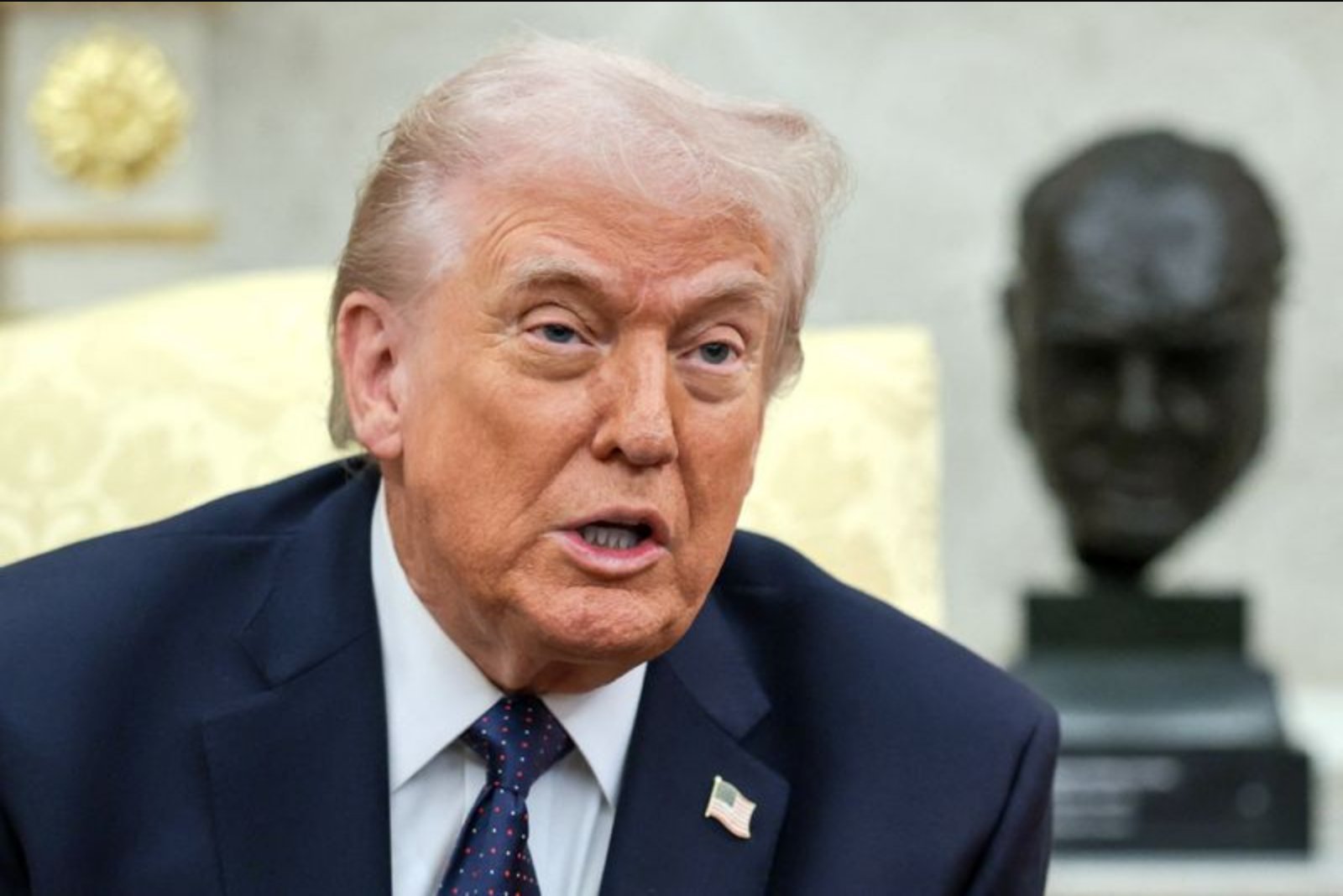
President Donald Trump told reporters that U.S. military operations have largely disabled Iranian naval and air targets, asserting "just about everything has been knocked out." Speaking in the Oval Office before meeting German Chancellor Friedrich Merz, Trump said he authorized the strikes because "I had a feeling" Iran might strike the United States as nuclear talks faltered. He offered no evidence for that claim. Iran, meanwhile, had expected another round of discussions with U.S. envoys following negotiations in Geneva last Thursday. Trump acknowledged Iran continues to launch missiles but said sustained pressure would degrade that capability.

Key Points

  • President Trump said U.S. forces have largely neutralized Iranian naval and air targets, stating "just about everything has been knocked out." - Sectors potentially affected: defense, global markets.
  • Trump told reporters he ordered the strikes because "I had a feeling" Iran would attack the United States amid stalled nuclear negotiations, but he presented no evidence to support that view. - Sectors potentially affected: diplomacy, defense.
  • Iran was reported to be expecting further talks with U.S. envoys after negotiations in Geneva last Thursday; the president also said Iran continued to launch missiles while U.S. forces targeted those capabilities. - Sectors potentially affected: energy, shipping, defense.

WASHINGTON, March 3 - President Donald Trump said on Tuesday that U.S. military forces have been effective in striking a wide range of Iranian naval and air targets, asserting that "just about everything has been knocked out." He made the remarks in the Oval Office immediately before a scheduled meeting with German Chancellor Friedrich Merz.

Answering questions from reporters, the president described his rationale for ordering the strikes as based on an intuitive judgement, saying he acted because "I had a feeling" that Iran would mount an attack on the United States as negotiations over Iran's nuclear program stalled. The president did not provide evidence to substantiate that belief.

The administration's statement came amid expectations that Iran had been preparing for further diplomacy. According to the president's remarks, Tehran had been anticipating another round of talks with U.S. envoys after negotiations in Geneva last Thursday.

Trump acknowledged that Iran continued to launch missiles following the U.S. action, but he predicted that Iran's ability to do so would eventually diminish under sustained pressure. He said, "They've shot a lot of them, and we're knocking out a lot." The president framed the campaign as gradually eroding Tehran's missile capability.

Beyond the immediate assertions about battlefield results, the president's comments emphasized a mix of military confidence and uncertainty about the diplomatic path forward. He linked the decision to strike to the pause in negotiations over the nuclear file rather than to presented intelligence or public evidence, and he reiterated the administration's stance that persistent operations against Iranian systems will reduce their capacity to strike.

The situation described by the president includes ongoing missile launches from Iran and a claimed series of successful U.S. strikes against naval and air systems. At the same time, the president noted that Iran had been expecting talks with U.S. envoys following recent diplomatic engagements in Geneva.


Contextual note: The president's statements combined operational claims, direct quotations, and references to diplomatic activity. He did not offer corroborating evidence for the assertion that an imminent Iranian attack prompted his order.

Risks

  • Continued Iranian missile launches create operational uncertainty and ongoing security risk, which could affect defense spending and regional stability. - Impacted sectors: defense, insurance.
  • The president's decision was described as based on an intuitive assessment without presented evidence, introducing uncertainty about the intelligence basis for military action. - Impacted sectors: diplomacy, markets sensitive to geopolitical risk.
  • Stalled negotiations and disrupted diplomacy increase the risk of extended military engagement or escalation, with potential implications for sectors exposed to geopolitical volatility. - Impacted sectors: energy, shipping, global markets.

More from World

Russian Hawks Alarmed by U.S. Strike on Iran, Urge Moscow to Escalate in Ukraine Mar 3, 2026 Missile Barrage Leaves Tehran Largely Deserted as Civilians Face Power Cuts and Fear Mar 3, 2026 U.S. Orders Non-Essential Staff From Several Middle East Missions as Travel Collapses Mar 3, 2026 Tehran Rules Out Talks with Washington for Now as Strikes and Market Turmoil Continue Mar 3, 2026 France and Greece Move Defensive Assets to Cyprus After Drone Strike on British Base Mar 3, 2026