
World March 9, 2026

Trump Says Cuba Faces Humanitarian Crisis, Suggests Potential 'Friendly Takeover'

President characterizes Cuba as 'in deep trouble' and points to U.S. engagement that he says could lead to a takeover, while Havana denies high-level talks

By Marcus Reed
Trump Says Cuba Faces Humanitarian Crisis, Suggests Potential 'Friendly Takeover'

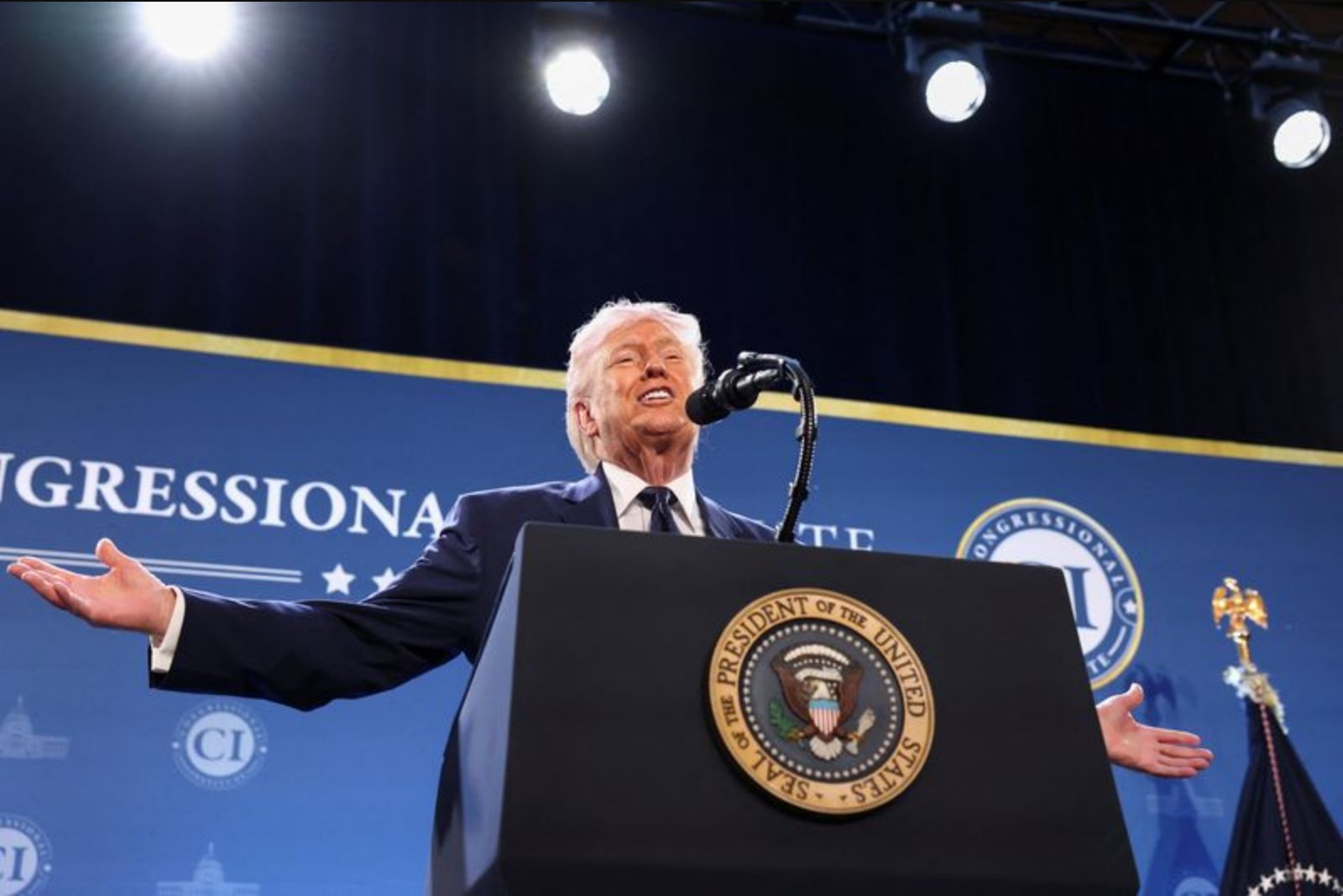
At a news conference in Doral, Florida, President Donald Trump described Cuba as being in severe humanitarian distress and said U.S. Secretary of State Marco Rubio was addressing the situation. Trump suggested the outcome could involve a "friendly takeover" or not, and criticized Cuba's lack of energy and funds. The Cuban government says it is not engaged in high-level discussions with the United States but has not fully rejected reports of informal contact with a relative of the Castro family. Miami-based exiles have a long history of seeking the island government's removal.

Key Points

  • President Donald Trump said Cuba is in "deep trouble" on a humanitarian basis and asserted it lacks energy and money - impacts energy and financial considerations related to Cuba.
  • Trump said U.S. Secretary of State Marco Rubio was addressing the situation and suggested the outcome could be a "friendly takeover" or not - this introduces political and diplomatic uncertainty for regional relations.
  • The Cuban government denies high-level talks with the United States but has not fully rejected reports of informal contact with Raul Guillermo Rodriguez Castro; Miami-based Cuban exiles have a history of seeking regime change - affects political risk perceptions in U.S.-Cuba relations.

DORAL, Fla., March 9 - U.S. President Donald Trump on Monday depicted Cuba as facing a grave humanitarian situation and said that U.S. Secretary of State Marco Rubio was handling the matter, with an outcome that "may or may not be a 'friendly takeover.'"

"He’s dealing (with it) and it may be a friendly takover, it may not be a friendly takeover. Wouldn’t really matter because they’re really down to...as they say, fumes. They have no energy, they have no money," Trump said at a news conference in Doral, Florida.

In his remarks, the president characterized the Cuban state's condition in stark terms on a humanitarian basis, asserting that the country lacked both energy and financial resources. He framed the U.S. response as being coordinated by Secretary of State Marco Rubio, and suggested that the ultimate result for the Cuban government could range from a friendly transfer of power to a less amicable outcome.

The Cuban government has publicly stated that it is not engaged in any high-level talks with the United States. At the same time, Havana has not explicitly denied media reports indicating that U.S. officials could be holding informal discussions with Raul Guillermo Rodriguez Castro, identified in those reports as the grandson of former Cuban President Raul Castro.

The situation remains politically charged among communities with a history of opposition to the Cuban government. Cuban exiles, whose population is concentrated in Miami, have for decades harbored aspirations that the island's government might be overthrown or collapse. The record cited in reporting notes that some within that exile community have previously plotted against the government that was established by the late revolutionary leader Fidel Castro.

Officials in Washington and Havana have offered differing descriptions of the level and nature of contact between the two governments. The Cuban government's denial of formal, high-level talks contrasts with press accounts of possible informal outreach involving a member of the Castro family, leaving the precise status of discussions unclear.


Contextual note: The president's statements framed the issue as part humanitarian concern and part diplomatic maneuvering, while official responses from Cuba left room for uncertainty about the existence and formality of any bilateral engagements.

Risks

  • Uncertainty over whether any discussions between U.S. officials and Cuban figures are formal or informal - creates diplomatic ambiguity affecting political and policy responses (impacts diplomacy and regional markets).
  • Possibility of an undeclared or contested change in governance described as potentially a "friendly takeover" or not - raises risks for political stability and could affect remittances, trade, and energy-related considerations (impacts finance and energy sectors).
  • Differing official statements from Washington and Havana about the level of engagement - produces information gaps that increase market and geopolitical uncertainty in sectors tied to Cuba such as energy, finance, and regional trade.

More from World

Legal Challenge Filed to Block End of U.S. Protections for Somali Immigrants Mar 9, 2026 U.S. Urges Review of International Aid to Afghanistan as Taliban Restrictions Persist Mar 9, 2026 ICE records 11 deaths in U.S. immigration custody through early March 2026 Mar 9, 2026 Historic Pact Becomes Largest Force in Colombia’s Senate but Falls Short of Majority Mar 9, 2026 Alexander Butterfield, Whistleblower on Nixon’s Secret Tape System, Dies at 99 Mar 9, 2026