
Summary
President Donald Trump on Monday publicly expressed frustration toward several Western allies who declined a U.S. request to deploy warships to escort oil tankers through the Strait of Hormuz, as Iran and Israel traded air and drone strikes across the Gulf. The confrontation - now in its third week - has left the strategic waterway largely inaccessible, disrupted regional aviation and oil operations, and driven an increase in energy prices amid concerns about wider inflationary effects.
Diplomatic Fractures Over Hormuz Escorts
The request from Washington for partner navies to help reopen the Strait of Hormuz met resistance from a number of U.S. allies. Germany, Spain and Italy were among the countries that said they did not plan to send ships to escort tankers immediately, leaving the strategic channel effectively closed by Iranian use of drones and naval mines. The Strait of Hormuz facilitates about 20% of the world s oil and liquefied natural gas shipments, and the reduction in transit has helped lift energy prices.
In Berlin, German Chancellor Friedrich Merz cited legal restraints, saying Germany lacked the necessary mandate from the United Nations, the European Union or NATO under the Basic Law to participate. He also said Germany had not been consulted by Washington and Tel Aviv before the start of the military campaign, emphasizing the limits of German participation in direct military actions without clear international authorization.
Speaking at a White House event, President Trump said that while many countries had been verbally willing to assist, the administration encountered uneven levels of commitment. "Some are very enthusiastic about it, and some aren t," he said, declining to name specific governments. "Some are countries that we e helped for many, many years. We e protected them from horrible outside sources, and they weren t that enthusiastic. And the level of enthusiasm matters to me."
Escalating Military Activity Across the Region
The exchanges of force showed no sign of abating early on Tuesday, with the Israeli military saying it was striking what it described as "Iranian regime infrastructure" in and around Tehran and also targeting Hezbollah sites in Beirut. Israeli officials said there were detailed plans drawn up for at least three more weeks of operations, indicating continued military engagement.
Iran continued to demonstrate a capacity for long-range strikes, launching overnight attacks on Israel and also striking the United Arab Emirates. Those actions forced temporary airspace closures and again hit an oil facility in Fujairah with a drone strike for a second day running. The renewed strikes compounded operational disruptions in the UAE: Dubai International Airport was closed for several hours on Monday, oil loading operations in Fujairah were suspended, and the Shah gas field in Abu Dhabi halted operations following drone attacks.
Iran said a recent U.S. attack on military sites at Kharg Island - an important node for the country s oil exports - had been launched from the UAE. Tehran warned it would target oil and gas facilities in any country from which strikes on Kharg Island were carried out. Separately, Iran announced it would target U.S. industrial facilities in the Middle East and urged those living near U.S.-owned plants to evacuate.
Security Incidents and Embassy Strike Attempts
Security incidents extended beyond airstrikes and drone attacks. Iraqi security sources reported rockets and at least five drones struck the U.S. embassy complex in Baghdad early on Tuesday, describing the barrage as the most intense assault since the outset of hostilities. Two U.S. officials indicated there were no reported injuries so far.
Reactions and Political Context
President Trump characterized Iran s pattern of retaliatory strikes against multiple Gulf neighbors - including Qatar, Saudi Arabia, the UAE, Bahrain and Kuwait - as unexpected. "They (Iran) weren t supposed to go after all these other countries in the Middle East," he said. "Nobody expected that. We were shocked."
Yet senior U.S. officials had previously warned that an attack on Iran could prompt retaliation against U.S. Gulf partners, according to a U.S. official and two sources familiar with U.S. intelligence reports. That dynamic framed part of the debate over both the initial strikes and the diplomatic effort to assemble a multinational response to secure shipping through the Strait of Hormuz.
Market and Human Consequences
Global energy markets reacted to the disruptions. Oil prices moved more than 2% higher in early trading on Tuesday, reversing some losses from the prior session, driven by concerns over supply. Asian equity markets recovered somewhat after a sell-off on Monday.
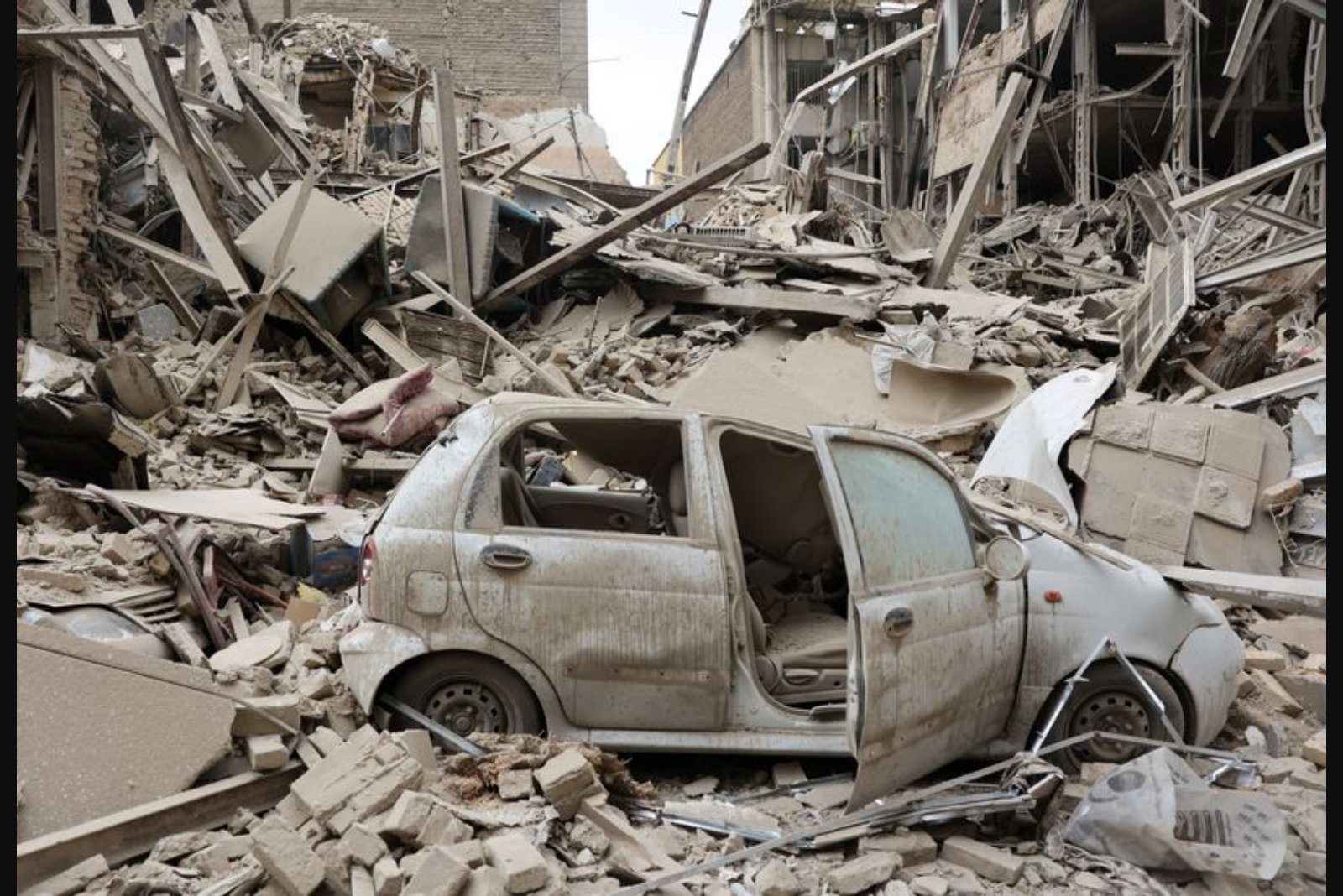
The human toll from more than two weeks of conflict has been severe. Iranian officials reported that at least 2,000 people have been killed across the Middle East since U.S. and Israeli forces launched attacks on Iran on February 28. Iranian Foreign Minister Abbas Araqchi said at least 200 of those fatalities were children.
At a burial in Iran on Monday, a mother, identified as Marzia Rezaei, mourned her son Erfan Shamei, killed in an explosion at a military training camp days before he was due home on leave. "Just an hour before he was martyred, he spoke with me and then I never saw him again. He was supposed to come today," she said.
Outlook
As the conflict enters its third week, the Strait of Hormuz remains functionally impeded by Iranian drones and naval mines, with uncertain timelines for reopening. The reluctance of several Western nations to commit naval forces without clear international mandates has complicated U.S. efforts to restore secure maritime transit, while ongoing strikes across the region continue to pressure energy markets and raise security concerns for diplomacy and commercial operations.
Reporting on military actions, diplomatic statements and market movements continues to evolve. The facts presented here reflect the latest available descriptions of events, official comments and reported impacts cited by regional actors.