
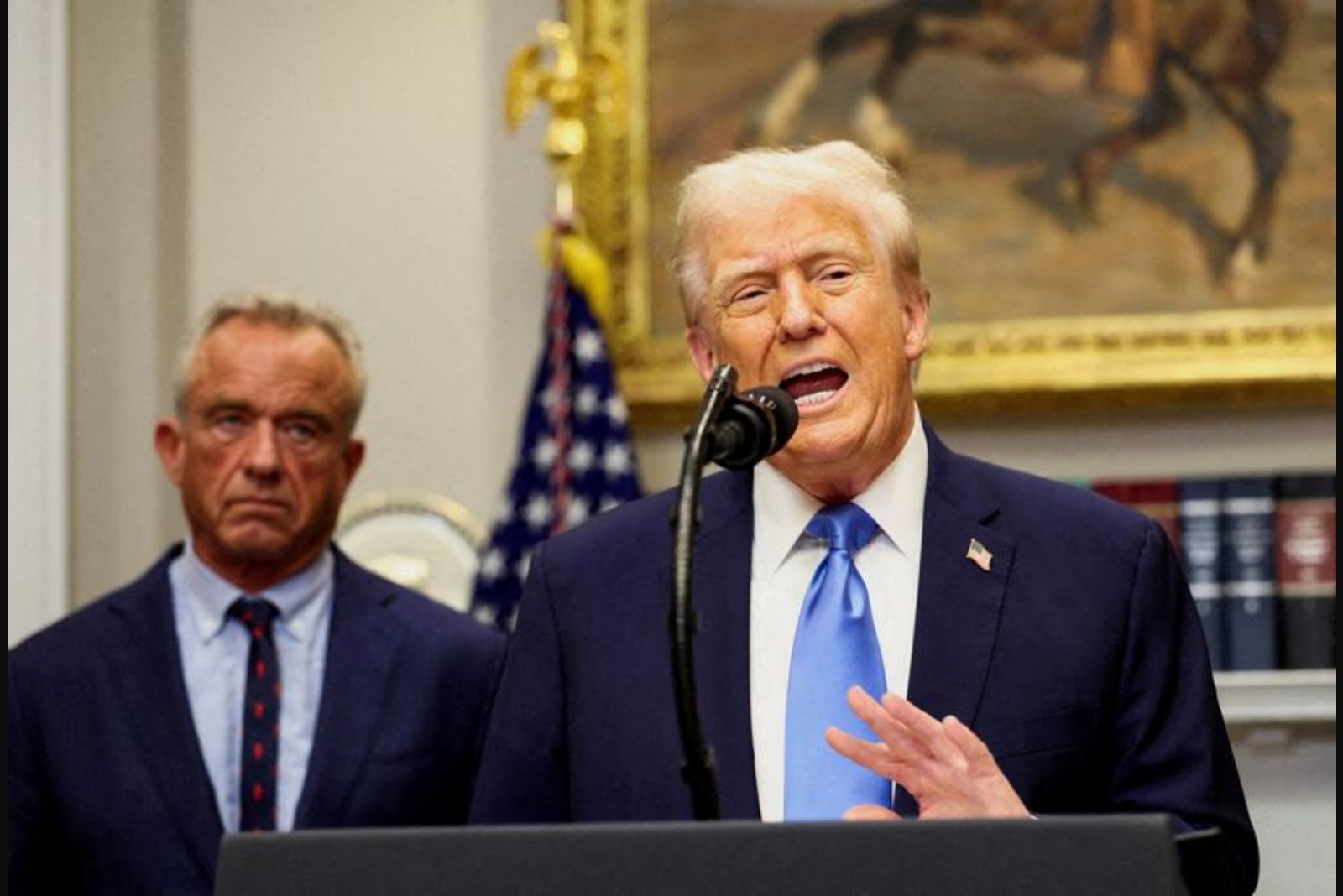
On May 1, President Donald Trump signed an executive order that broadens U.S. sanctions aimed at the Cuban government, two White House officials said. The administration said the new measures are designed to increase pressure on Havana by targeting people and organizations believed to support the Cuban security apparatus or to be involved in corruption or serious human rights violations.
The executive order specifically identifies as targets "people, entities and affiliates" that provide material support to the Cuban government's security forces, as well as agents, officials or supporters of the government. It also authorizes the imposition of secondary sanctions on parties that conduct or facilitate transactions with those designated under the order, the officials said.
It was not immediately clear which individuals or organizations, if any, have been designated under the new authority. The administration characterized the order as sending a broader signal to Cuba about its international alignments, including alleged ties to Iran and militant groups such as Hezbollah.
"Cuba provides a permissive environment for hostile foreign intelligence, military, and terrorist operations less than 100 miles from the American homeland," one official said, according to the White House account.
Administration officials described the order as containing an implicit warning to Cuba, asserting that the Cuban government has aligned itself with Iran and certain militant groups. The officials framed the sanctions as a response to those alignments and to reported abuses.
The issuance of the executive order follows a series of stepped-up actions by the current administration toward Cuba. Officials noted that U.S. measures earlier this year included halting Venezuelan oil exports to Cuba after the ouster of Venezuela's leader on January 3. The administration also threatened tariffs on any country that continued to ship crude to Cuba, which led Mexico, identified as another major supplier, to halt its shipments.
Those fuel restrictions were linked by officials to an energy shortfall on the island that contributed to three nationwide blackouts and prompted many foreign carriers to suspend flights to Cuba. The administration has repeatedly stated its view that Cuba is near collapse, while Cuban authorities have maintained that their socialist system is not negotiable.
The new executive order is the latest in a sequence of U.S. measures aimed at increasing pressure on Havana. Officials emphasized that the order's reach includes not only direct actors within Cuba but also those abroad who facilitate support for targeted entities through financial or commercial transactions.
Context and scope
The expanded sanctions authority focuses on: support for the Cuban security apparatus; complicity in corruption or serious human rights abuses; and individuals acting as agents, officials or supporters of the Cuban government. Secondary sanctions can be applied to third parties that engage with designated targets.
Officials said the order also serves as a warning about Cuba's purported relationships with Iran and militant organizations, and highlighted the proximity of Cuban territory to the U.S. mainland as a concern cited by the administration.