
GENEVA, March 3 - Iran’s senior diplomatic representative to the United Nations in Geneva said on Tuesday that Tehran has made no attempt to open talks with the United States, either directly or through intermediaries, to ease the current conflict or to resume negotiations over its nuclear programme.
Ali Bahreini, head of Iran’s mission to the U.N. in Geneva, told reporters that, for now, Iran saw little value in pursuing negotiations with Washington. "For the time being we are very doubtful about the usefulness of negotiation... The only language for talking with the United States is the language of defence," he said. He added bluntly: "I don’t think it is a time for having any kind of negotiation from our side."
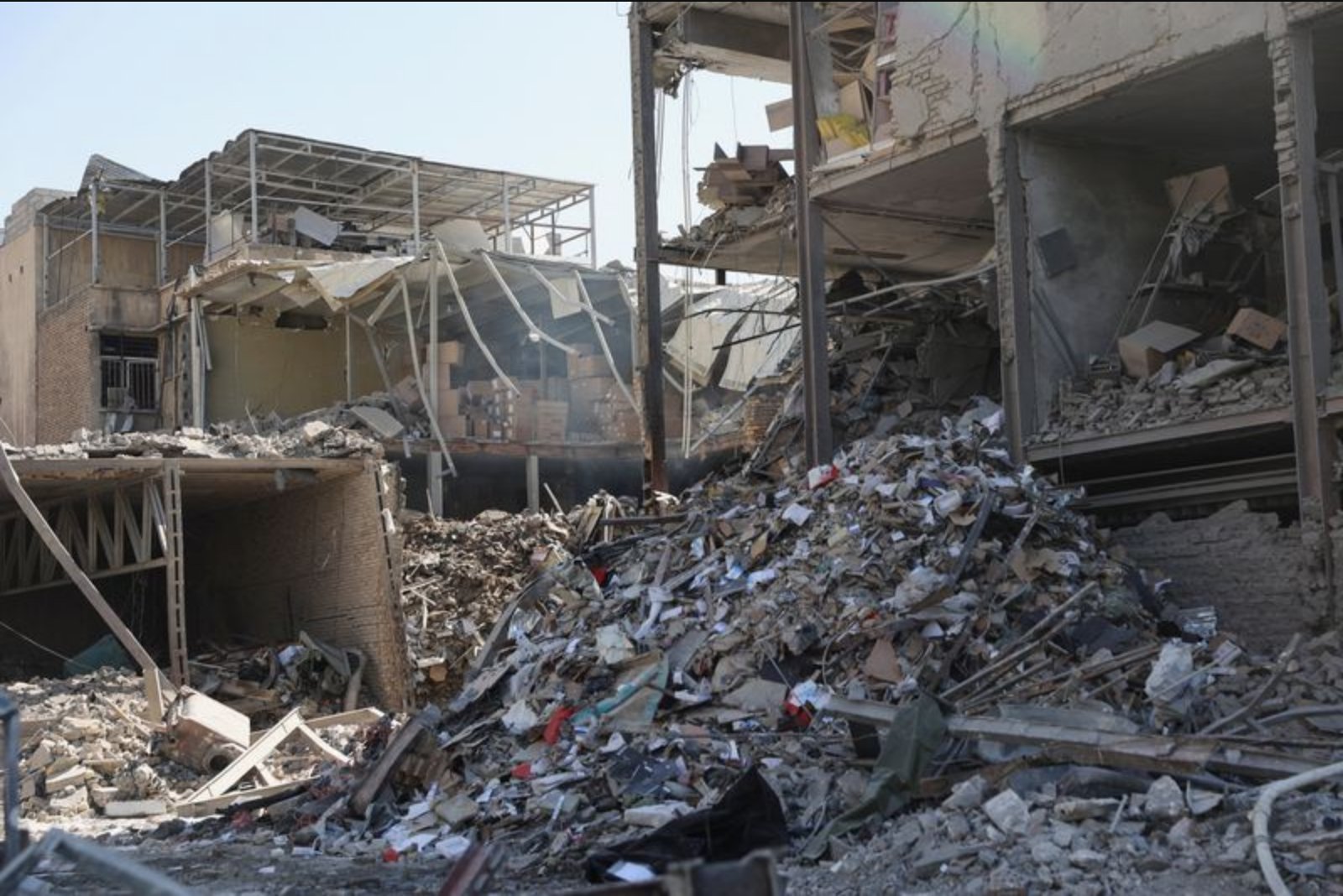
Bahreini’s comments came three days after joint U.S. and Israeli airstrikes on Iran. Explosions were reported in Tehran again on Tuesday, and financial markets worldwide fell as investors reacted to the prospect of an extended disruption to global energy supplies.
Diplomatic activity in Geneva had included talks last Thursday between Iranian and U.S. negotiators. Oman, which acted as mediator, said those discussions had yielded progress. However, two days after that meeting, the United States and Israel launched airstrikes on Iran that killed Supreme Leader Ali Khamenei and other senior Iranian officials, precipitating a wider regional crisis.
In response to the strikes, Iran has carried out retaliatory actions including firing missiles and deploying drones against neighbouring Gulf Arab states and at Israel. Tehran has also taken measures that affected shipping through the Strait of Hormuz, a chokepoint through which about one-fifth of the world’s oil and substantial volumes of gas transit.
Public statements from leaders on both sides have been open-ended when asked about the likely duration of the conflict. U.S. President Donald Trump suggested the war could last "four or five weeks," while Israeli Prime Minister Benjamin Netanyahu said it was "not going to take years." A source familiar with Israel’s war plan told Reuters on Tuesday that the Israeli campaign had been planned to last two weeks and was advancing faster than expected.
The combination of renewed strikes in Tehran, retaliatory strikes by Iran, and disruptions to a major energy transit route have contributed to financial market volatility as participants assess the potential scale and persistence of supply interruptions.
Contextual note: The statements and events reported here are those relayed by Iran’s U.N. envoy and sources cited regarding military plans and market reactions. Where details were limited in the accounts, those limitations are reflected in the reporting rather than expanded upon.