
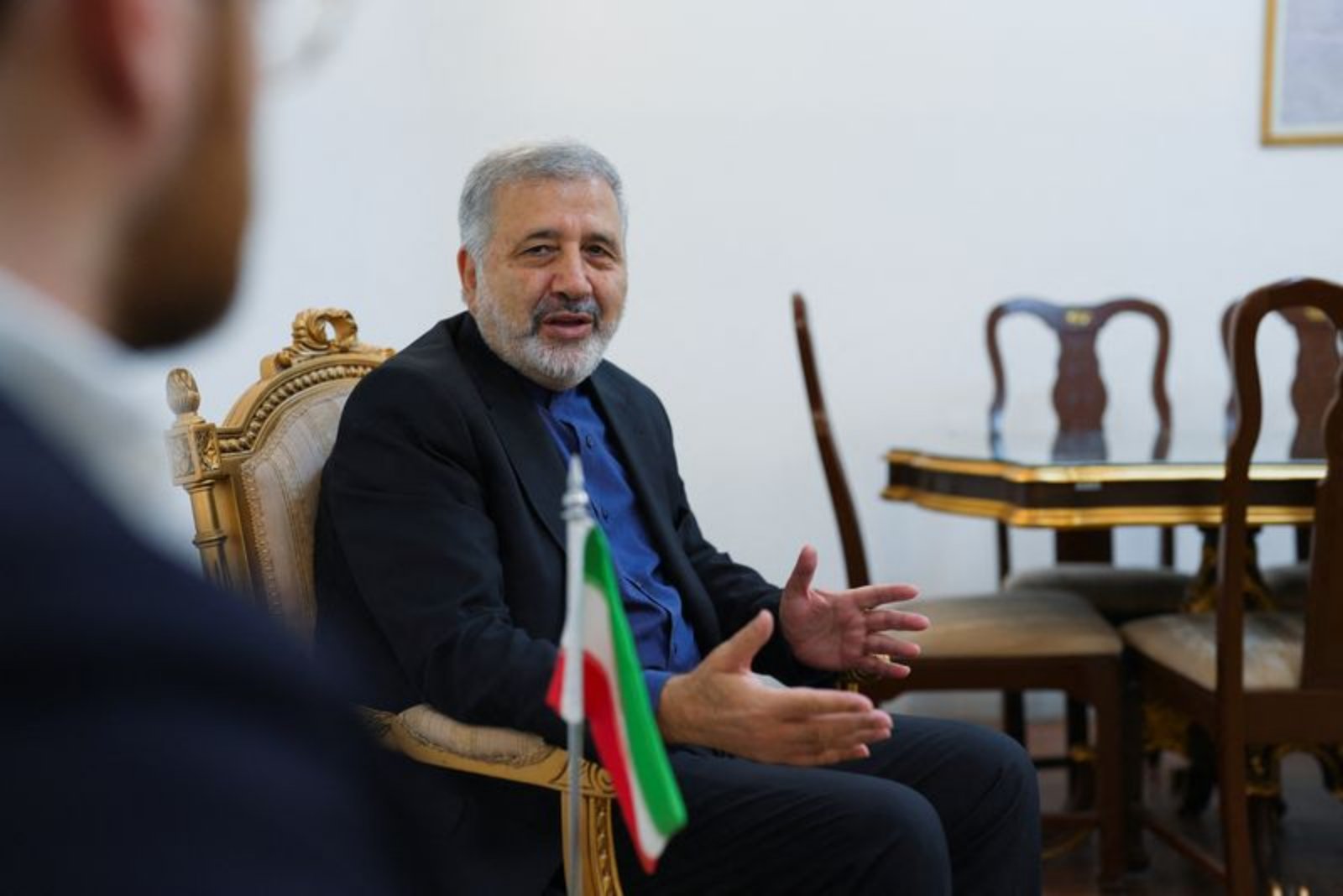
RIYADH, March 15 - Iran believes its relationship with the Arab Gulf states needs a "serious review" in the context of the U.S.-Israeli campaign against Tehran, the Iranian ambassador to Saudi Arabia said in written comments. The envoy framed such a reassessment as necessary to reduce the influence of external powers and enable the Gulf region to pursue prosperity.
Asked whether the conflict risked damaging ties with Gulf neighbours, Ambassador Alireza Enayati responded: "It’s a valid question, and the answer may be simple. We are neighbors and we cannot do without each other; we will need a serious review."
Enayati argued that developments over the past 50 years stem from an "exclusionary approach [within the region] and an excessive reliance on external powers," and he called for closer cooperation among the six Gulf Cooperation Council members, Iraq and Iran.
Gulf Arab states have reported more than 2,000 missile and drone attacks since the outbreak of the war on February 28. Targets of the strikes have included U.S. diplomatic facilities and military bases, as well as strategic Gulf infrastructure such as oil sites, ports, airports, hotels, and residential and office buildings. The United Arab Emirates - which normalized relations with Israel in 2020 - has been among the heaviest affected, though officials across the Gulf have condemned Iran.
Regional analysts and sources have privately expressed mounting frustration with the United States, long seen as the Gulf’s security guarantor, saying Washington has pulled Gulf states into a conflict they did not endorse and are now bearing heavy costs for.
In Saudi Arabia, the attacks have been concentrated in the kingdom’s eastern region, home to the majority of its oil production, and have also struck military and diplomatic sites, including Prince Sultan Airbase - which hosts U.S. forces east of Riyadh - and the Diplomatic Quarter on the western edge of the capital, according to statements from the Saudi defence ministry.
Saudi-Iranian relations had been restored to full diplomatic status in 2023 after a period of severe rivalry in which the two countries backed opposing political and military groups across the region.
Iran 'not responsible' for attacks on Saudi oil sector
Enayati denied Tehran had carried out attacks on Saudi oil infrastructure, citing incidents such as strikes at the Ras Tanura refinery on the east coast and a series of attempted drone attacks on the Shaybah oil field in the desert near the United Arab Emirates border. "Iran is not the party responsible for these attacks, and if Iran had carried them out, it would have announced it," he said, without identifying an alternate perpetrator.
Saudi defence ministry statements have not publicly attributed blame for individual incidents. Enayati reiterated that Iran is focused on striking U.S. and Israeli targets and interests.
The ambassador said he maintains ongoing contact with Saudi officials and that bilateral relations are "progressing naturally" in many areas. He pointed to specific instances of cooperation, including Saudi assistance facilitating the departure of Iranians in the kingdom for religious pilgrimage and the provision of medical aid to others.
Enayati also said Tehran is engaged in talks with Riyadh about Saudi Arabia’s publicly declared stance that its territory - land, sea and air - will not be used to launch attacks on Iran. He did not provide details of those discussions.
His wider message to Gulf states was that the current war "has been imposed on us and the region." To resolve the conflict, he said the United States and Israel must stop their strikes and that regional countries should refrain from involvement, while international guarantees are needed to prevent a recurrence. "Only then can we focus on building a prosperous region," he added.
Implications for the region
Enayati’s comments underscore Tehran’s call for a regional recalibration that would reduce dependency on external powers and aim to bolster intra-Gulf connections. He framed the cessation of U.S. and Israeli operations as a necessary step toward enabling Gulf states to prioritize reconstruction and economic progress.
The diplomatic exchanges he described, including coordination on pilgrims and medical matters, suggest some degree of ongoing practical cooperation even amid heightened tensions. At the same time, the widespread attacks affecting energy and civilian infrastructure across the Gulf continue to pose immediate security and economic challenges.