
Taiwan pressed China on Thursday to confront the deadly military suppression of pro-democracy demonstrators in and around Beijing’s Tiananmen Square, calling for recognition of the events as the 37th anniversary of June 4 arrived.
In a post on his Facebook page, Taiwan President Lai Ching-te wrote: "I sincerely hope that China can face up to the June 4 incident of 37 years ago, acknowledge the truth, soothe the pain, and open the door to reconciliation and dialogue."
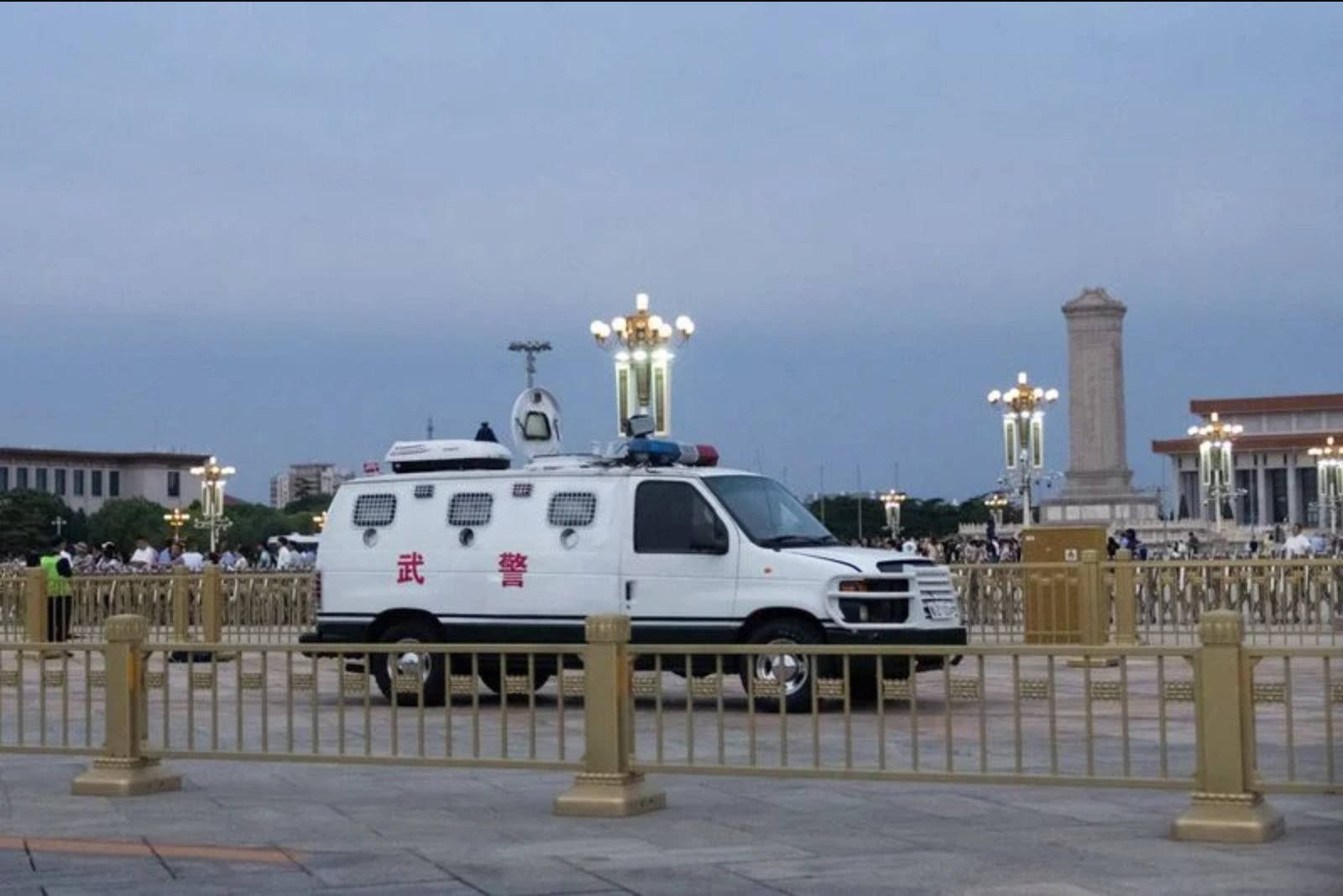
The June 4, 1989 events, when Chinese troops fired on student-led protests in central Beijing, remain a sensitive and largely unspoken subject inside the mainland. The anniversary is not officially observed in China and public remembrance of the crackdown is effectively suppressed.
Lai used his post to warn against the perils of militarism and coercion, urging societies to prioritize the future of younger generations. His post said people should not "blindly believe" in militarism, and argued that a healthy government and society should support better lives for the next generation instead of using "violence, surveillance, and other means to strangle their dreams and erase their opinions."
China’s Taiwan Affairs Office did not immediately respond to a request for comment on Lai’s remarks. Beijing has previously labeled Lai a "separatist" and has rebuffed multiple offers of talks from him. Lai has repeatedly said that only Taiwan’s people can decide their future.
U.S. diplomatic commentary also marked the anniversary. U.S. Secretary of State Marco Rubio said on Wednesday that Beijing’s censorship could not erase memories of the military assault, stating that "those who sacrificed to uphold their unalienable rights of free expression and peaceful assembly will be vindicated someday."
China’s foreign ministry did not immediately respond to a request for comment on Rubio’s statement. The article noted that a year ago Beijing criticized Rubio for his Tiananmen remarks, accusing him of "distorting" historical facts and attacking China’s political system.
The 1989 crackdown saw Chinese tanks enter Tiananmen Square before dawn on June 4, ending weeks of demonstrations by students and workers. China has never released a full official death toll; rights groups and eyewitnesses have estimated that fatalities could number in the thousands. The Chinese government has characterized the protests as actions by counter-revolutionaries seeking to overturn the rule of the Communist Party.
Public commemoration of the incident now largely takes place outside mainland China. Taipei is among the cities where memorial events are held, and senior Taiwanese officials commonly use the anniversary as an occasion to criticize Beijing.
Hong Kong’s annual candlelight vigil in Victoria Park - once a prominent symbol of the city's relative freedoms - has dwindled since Beijing imposed a national security law in 2020. The piece reports that public remembrances in Hong Kong have effectively ended, with the anniversary now observed under a heavy police presence and with few visible acts of remembrance.
Elsewhere, several vigils were still expected to take place on Thursday in cities around the world, including four in Germany and one in Australia.
The anniversary highlights enduring sensitivities between Taiwan and China over historical memory and political identity, and reflects broader tensions over dissent, censorship and the limits of public commemoration within and beyond mainland China.
Requests for comment to China’s relevant agencies did not receive immediate replies, underlining the continued reticence of official channels to engage publicly on the subject.