
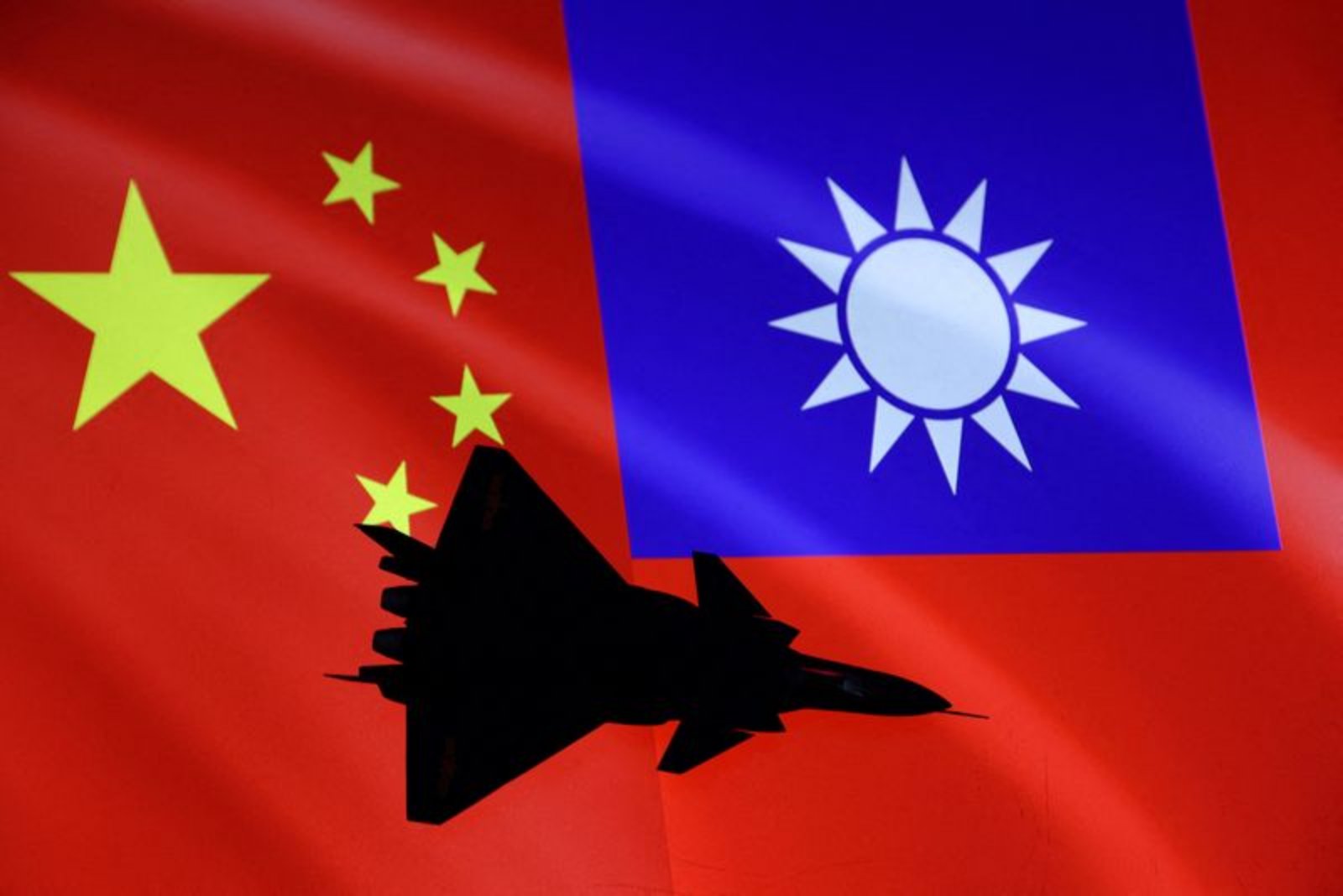
Taiwan reported on Sunday that large-scale activity by the Chinese air force had resumed around the island after an unexplained interruption lasting more than two weeks that had prompted speculation in Taipei about Beijing's intent.
In its routine morning update, Taiwan's defence ministry said it had detected 26 Chinese military aircraft over the previous 24 hours, with operations concentrated in the Taiwan Strait. The ministry had last reported a significant dispatch on February 25, when it recorded 30 aircraft and said Beijing was carrying out another "joint combat readiness patrol".
Beginning on February 27, Taiwan recorded no Chinese military aircraft until March 7, when it detected two aircraft to Taiwan's far southwest. Since March 7 there were only sporadic, small-scale incidents until the recent increase to 26 aircraft.
Beijing has provided no explanation for the interruption in its usual pattern of flights and did not respond to a further request for comment on Sunday.
Political reaction and rhetoric
Late on Saturday the China Taiwan Affairs Office issued a strongly worded statement aimed at Taiwan's president following a speech in which he spoke about increasing defence spending and safeguarding Taiwan's democratic system. An office spokesperson said: "People like Lai Ching-te should not miscalculate; if they dare to take reckless risks, they will dig their own grave."
Taiwan's government continues to reject Beijing's sovereignty claims.
Possible explanations and ongoing threats
Officials and experts in Taipei have offered a range of possibilities to explain the pause and the subsequent return of large-scale flights. The explanations offered include Beijing recalibrating its pressure campaign ahead of U.S. President Donald Trump's planned visit to China from March 31, and internal developments such as President Xi Jinping's ongoing purge of senior Chinese generals. The reporting makes clear, however, that China has not publicly confirmed any motive.
Taiwan's defence minister, Wellington Koo, cautioned that although the aircraft had been absent for a period, Chinese warships remained around the island and the threat from Beijing had not diminished.
Contextual note
The pattern of daily flights by Chinese fighter jets, drones and other military aircraft around Taiwan is described by Taiwan's authorities as routine, with interruptions typically attributed to bad weather. The recent sequence - a notable presence on February 25, an absence from February 27 through early March, limited incidents since March 7, and then the renewed spike to 26 aircraft - has left officials in Taipei publicly acknowledging uncertainty about Beijing's calculations.