
World March 5, 2026

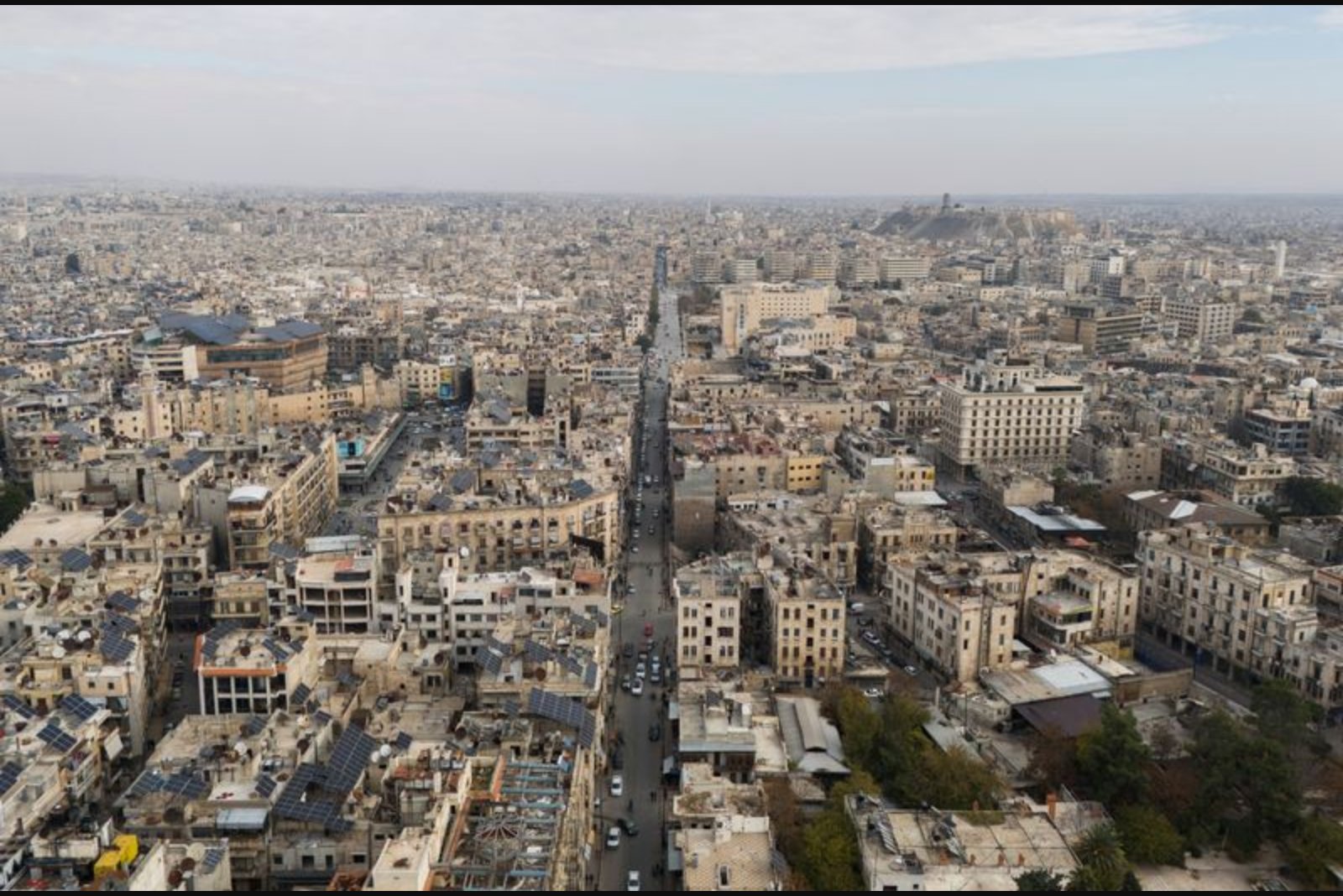
Syria reopens Aleppo-Mediterranean air corridor as flights gradually resume

Newly reactivated route from Aleppo available to foreign carriers and Syrian Air after safety assessments

By Caleb Monroe
Syria reopens Aleppo-Mediterranean air corridor as flights gradually resume

Syria has reactivated an air corridor linking Aleppo with the Mediterranean to provide a secure flight path for arrivals and departures at Aleppo International Airport. The Civil Aviation Authority said the corridor will be open to any airline that meets international safety standards, and officials have also reopened northern routes toward Turkey following operational and technical reviews. Syrian Air resumed service to Istanbul and further flights to Jeddah and Amman are scheduled as part of a phased return of traffic, even as wider regional airspace disruptions continue amid recent strikes and counterstrikes across the Middle East.

Key Points

  • Syria has reopened a Mediterranean-facing air corridor from Aleppo that will be available to foreign carriers and the national airline, subject to international safety standards - sectors affected include commercial aviation and air logistics.
  • Aleppo International Airport has seen the resumption of flights, with Syrian Air operating to Istanbul and scheduled services to Jeddah; authorities are evaluating further destinations such as Riyadh - this impacts passenger travel, regional connectivity, and carriers serving the Levant.
  • Northern air routes toward Turkey were reopened after operational and technical assessments, reflecting regulatory oversight as air traffic is cautiously restored - relevant for aviation regulators and airlines planning route reinstatement.

DAMASCUS, March 5 - Syrian aviation authorities said they have reopened a reactivated air corridor from Aleppo toward the Mediterranean Sea for use by foreign carriers as well as the national airline, part of a phased restoration of operations at Aleppo International Airport.

Omar Hosari, director of the Civil Aviation Authority, told Reuters the corridor is intended to provide a safe flight path for aircraft arriving at and departing from Aleppo and will be accessible to any airline that "meets international safety standards." He said the corridors are not reserved exclusively for Syrian Air and that other airlines can transit or operate through Syrian airspace under the usual regulatory procedures.

In a statement on Thursday, the authority said it had reopened air routes in the northern portion of Syrian airspace toward Turkey after conducting operational and technical assessments and reviewing regional developments that affect aviation. The authority described the reopening as part of careful operational checks rather than an unrestricted resumption.

The authority reported that the first Syrian Air flight departed Aleppo for Istanbul on Thursday and arrived safely, a development officials said marks the gradual resumption of services at Aleppo International Airport. A flight from Aleppo to the Saudi city of Jeddah was scheduled for Friday, and authorities are studying potential additions to the network, including Riyadh.

Hosari also said Royal Jordanian was expected to use the Mediterranean corridor on Friday for a flight between Amman and Aleppo as part of the phased return of air traffic.

These moves come as commercial air traffic remains largely absent across much of the Middle East. Major Gulf hubs, including Doha and Dubai - the world’s busiest airport for international passengers - were reported largely shut for a sixth straight day after the U.S.-Israeli launched air strikes on Iran, and Iran responded with retaliatory missile and drone strikes across the region.

One week into the regional conflict, Syria appears to be relatively sidelined, the authority and observers noted, citing the cessation of Iranian presence after the fall of President Bashar al-Assad in late 2024 and the evacuation of U.S. military bases from the country last February. The reopening of the Aleppo corridor and selected northern routes reflects a cautious, phased approach to restoring connectivity amid continuing regional uncertainty.

Risks

  • Wider regional disruptions remain in place: major Gulf hubs were largely shut amid reciprocal strikes, which could limit the pace of flight restorations and affect airlines, airports, and associated markets.
  • The phased nature of the resumption and the need for operational and technical assessments mean service continuity could be fragile; aviation and tourism sectors may face uncertainty until stability returns.
  • Geopolitical developments, including recent strikes and counterstrikes, pose an ongoing risk to regional airspace operations and could prompt further closures or restrictions that would affect air cargo, passenger demand, and carrier routing decisions.

More from World

Pentagon Says U.S. Objectives in Iran Remain Limited Despite Presidential Remarks Mar 5, 2026 United States and Venezuela Move to Restore Diplomatic and Consular Ties Mar 5, 2026 U.S. and Israel Execute Major Strikes on Iran; Supreme Leader Reported Killed Mar 5, 2026 Federal Judge Refuses to Pause California’s AI Data-Disclosure Law in xAI Challenge Mar 5, 2026 Zelenskiy Says Ukraine Will Deploy Specialists to Help U.S. Counter Iranian Drones Mar 5, 2026