
Sweden announced on Wednesday that a Swedish citizen has been executed in Iran, prompting a formal diplomatic protest and public condemnation from both Stockholm and European Union officials.
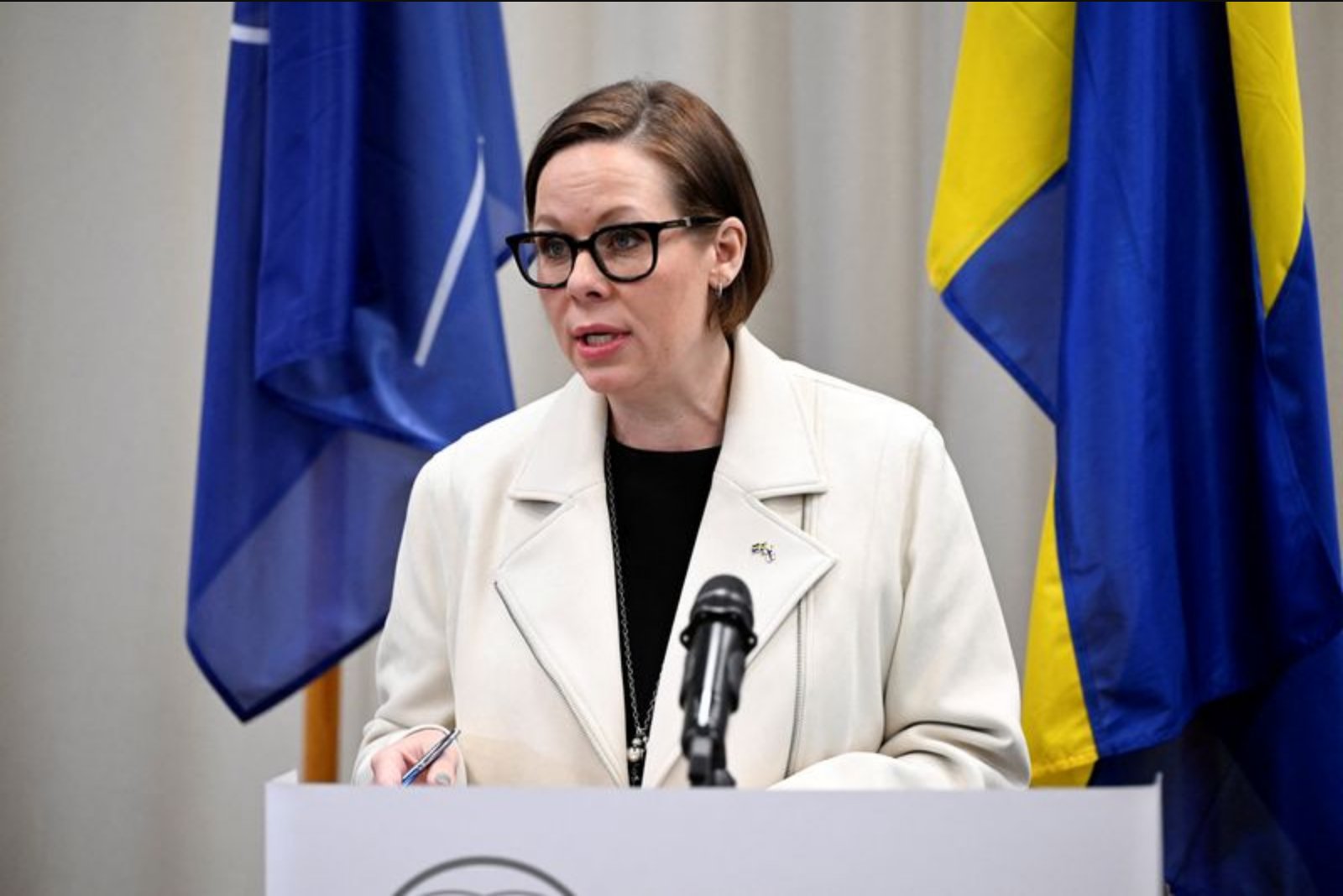
Swedish Foreign Minister Maria Malmer Stenergard said she summoned the Iranian ambassador in Stockholm to protest the execution. The individual, unnamed by Swedish authorities, was arrested in Iran in June of last year and Sweden has repeatedly raised the case with Iranian officials, Malmer Stenergard said.
"The death penalty is an inhumane, cruel and irreversible punishment. Sweden, together with the rest of the EU, condemns its application in all circumstances," Malmer Stenergard said, adding that the legal proceedings leading up to the execution did not meet the standards of due process.
In a separate statement issued on Wednesday evening, the European Union’s foreign policy chief Kaja Kallas expressed strong condemnation of the execution. "The appalling human rights situation in Iran and the alarming increase in executions are intolerable and show the regime’s true colours," she said, and extended condolences to the family of the citizen.
Swedish officials have said the case was raised multiple times with Iranian authorities since the arrest last June. The Swedish foreign ministry and the Iranian embassy in Stockholm did not immediately respond to requests for comment when contacted by phone and email.
The announcement from Stockholm adds to international scrutiny of Iran’s use of capital punishment and raises questions about the transparency and standards of the legal processes applied in this case. Swedish officials publicly framed the execution as a serious human rights concern and underscored the country’s alignment with the European Union’s broader opposition to the death penalty.
The identities of the executed individual and details of the charges or court rulings that preceded the execution were not released in the Swedish statement. Swedish authorities limited their public comments to confirmation of the execution, the timing of the arrest last year, and the diplomatic steps taken in response.
Context and officials involved
- Sweden’s foreign minister, Maria Malmer Stenergard, announced the execution and summoned Iran’s ambassador to Stockholm.
- The person executed was arrested in Iran in June of last year; Sweden had repeatedly raised the case with Iranian officials.
- The EU’s foreign policy chief, Kaja Kallas, condemned the execution and sent condolences to the family.
Sweden characterized the legal process in this case as lacking sufficient due process safeguards and reiterated its opposition to capital punishment in all circumstances, in line with the European Union’s position.