
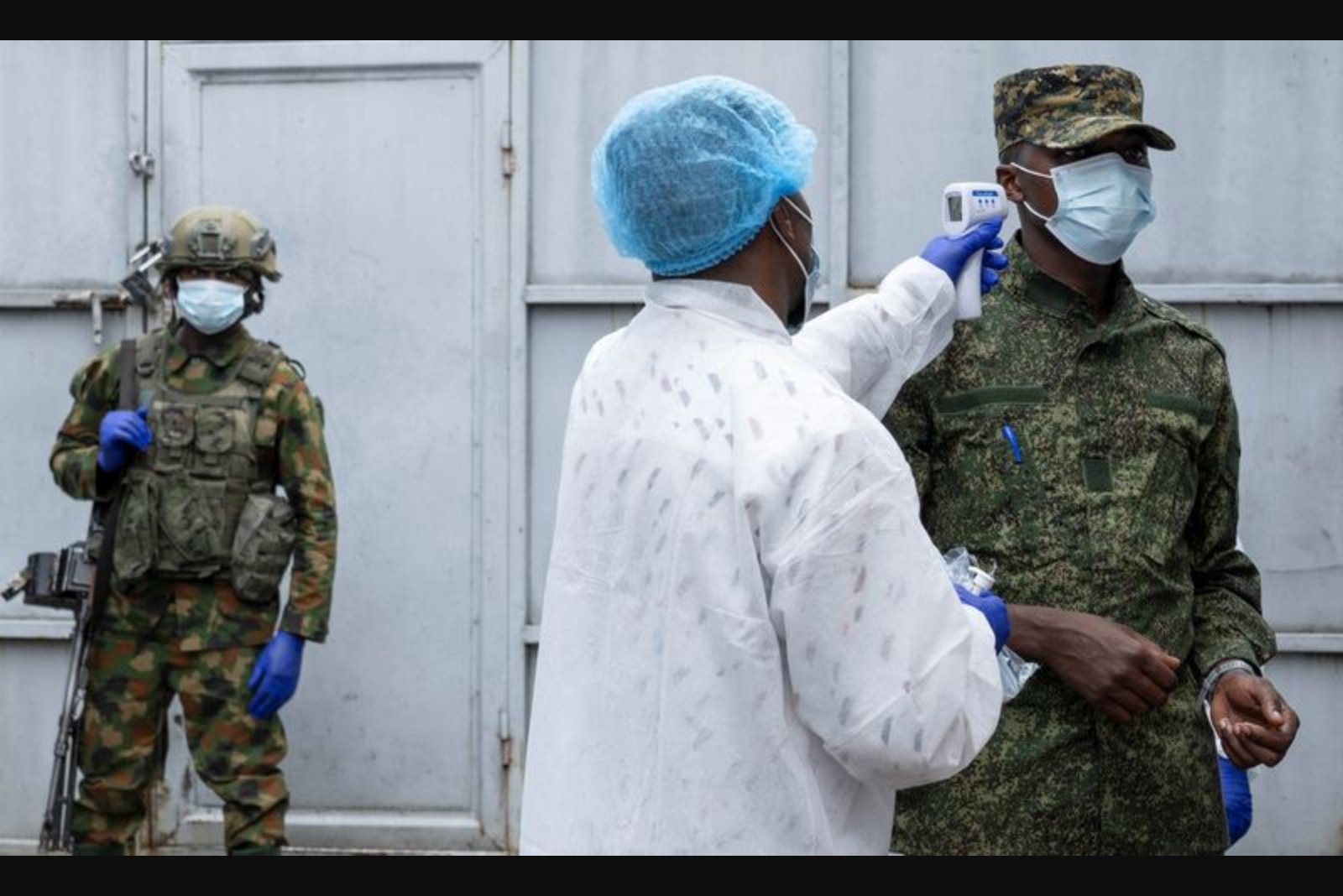
Suspected Ebola infections have emerged in a part of South Kivu province under rebel control, local authorities said on Thursday, signalling a potential geographic expansion of an outbreak whose earliest circulation is believed to have occurred in Ituri province.
Regional health spokesperson Claude Bahizire reported two suspected cases in South Kivu. According to his account, one of the patients died in Lwiro territory while the second remains in isolation as health teams await laboratory confirmation.
Another local official, speaking on condition of anonymity, told reporters that the deceased patient had recently travelled from Ituri, several hundred kilometres north of South Kivu. If the South Kivu cases are confirmed, they would extend the outbreak beyond the areas where suspected and confirmed infections had previously been recorded.
The World Health Organization at the weekend declared the outbreak - identified as the Bundibugyo strain of the Ebola virus - a public health emergency of international concern. The WHO reported the outbreak has been linked to 139 deaths and that there were 600 suspected cases across eastern DRC's Ituri and North Kivu provinces as of Wednesday. Two cases have also been confirmed in neighbouring Uganda.
Lwiro is under the control of the M23 armed group, which seized large swathes of territory in eastern Democratic Republic of Congo last year. An Ebola case was confirmed last week in Goma, the provincial capital of neighbouring North Kivu, which is also under M23 control. The M23 has said earlier this week that it is committed to collaborating with international partners to help contain the outbreak.
Responders and health authorities say the emergency response is being complicated by the presence of the virus in densely populated urban settings and by widespread armed violence across eastern DRC. Those conditions, officials warn, make case finding, contact tracing and safe treatment more difficult.
First responders have also reported shortages of basic supplies needed to manage the outbreak. Some on the ground have attributed these gaps to cuts in foreign aid by major international donors, a shortfall that responders say is hampering frontline operations.
Health officials have noted that the Bundibugyo strain differs from the Zaire strain that caused a much larger and deadlier outbreak in the region in 2018-2020; that earlier Zaire outbreak killed nearly 2,300 people. In contrast, the current outbreak has, to date, been associated with 139 deaths.
Context and next steps
Laboratory confirmation from samples collected in South Kivu will determine whether the suspected cases represent a geographic spread of the current Bundibugyo outbreak. International and local health partners have been called upon to support surveillance, testing and the supply of critical materials, while authorities monitor movements between affected provinces.