
Overview
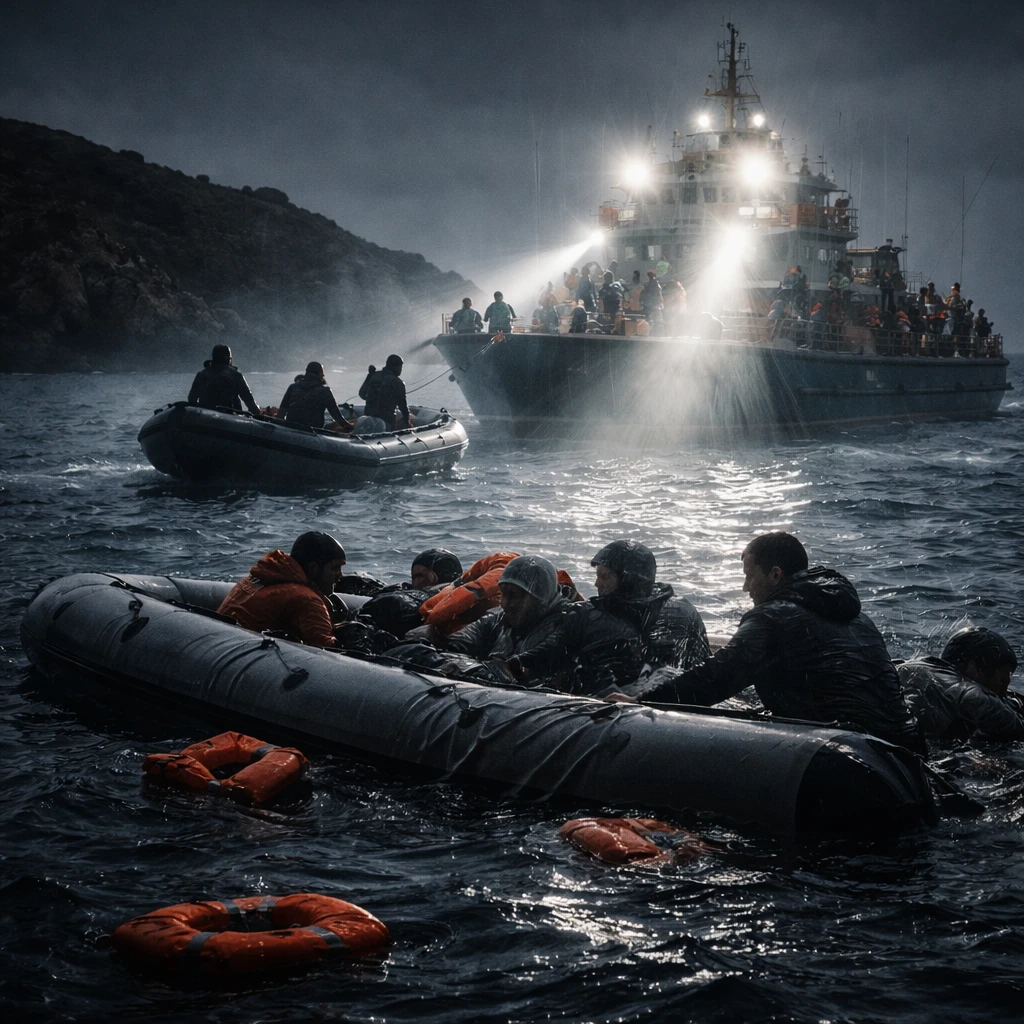
Fifteen Afghan migrants lost their lives in a shipwreck off Chios on February 3, according to authorities. About two dozen other passengers were brought to safety, including 11 children; some of the survivors were reported to be seriously injured.
Disputed accounts
The coastguard issued an account saying the migrants' craft was traveling without navigation lights and failed to heed orders to stop. The official statement said that when a patrol vessel closed on the dinghy, the migrants' boat abruptly altered its course and struck the coastguard ship, causing it to capsize.
That narrative has been challenged by statements from survivors. Three individuals who survived the sinking told investigators and journalists that they did not receive any warning from the coastguard prior to the collision and that their inflatable craft did not change course. They said they saw the coastguard vessel illuminate its own lights only shortly before the impact.
One survivor was quoted saying that, had the patrol vessel been chasing them, they would have stopped immediately because they were traveling in an inflatable boat with children. "We were just going straight. It didn’t turn left or right," the survivor said.
Official responses and legal steps
Officials have not provided a public comment to address requests for further detail about the incident. The coastguard has previously rejected allegations of illegal practices in its operations.
Migration Minister Thanos Plevris publicly commended the coastguard for its rescue efforts and attributed responsibility for the deaths to migrant smugglers. Separately, a Greek court has ordered the pre-trial detention of a Moroccan man who is accused of causing the crash.
Investigations and unresolved questions
Those offering firsthand accounts have not been independently verified. Sources close to an inquiry into the incident say the camera on the coastguard vessel was not turned on at the time, removing a key potential source of objective evidence.
Greece's border enforcement has been under sustained scrutiny since 2015, including allegations that some migrants seeking asylum were forcibly returned at sea. The European border agency reported last year that it was reviewing a set of cases involving possible human rights violations by Greek authorities, which included claims that migrants were pushed back from the country's frontiers.
Implications
The contrasting accounts, the absence of video recorded by the coastguard vessel, and ongoing legal proceedings mean the factual record remains contested. Formal inquiries and judicial processes will be central to establishing what happened in the hours leading up to the fatal sinking.