
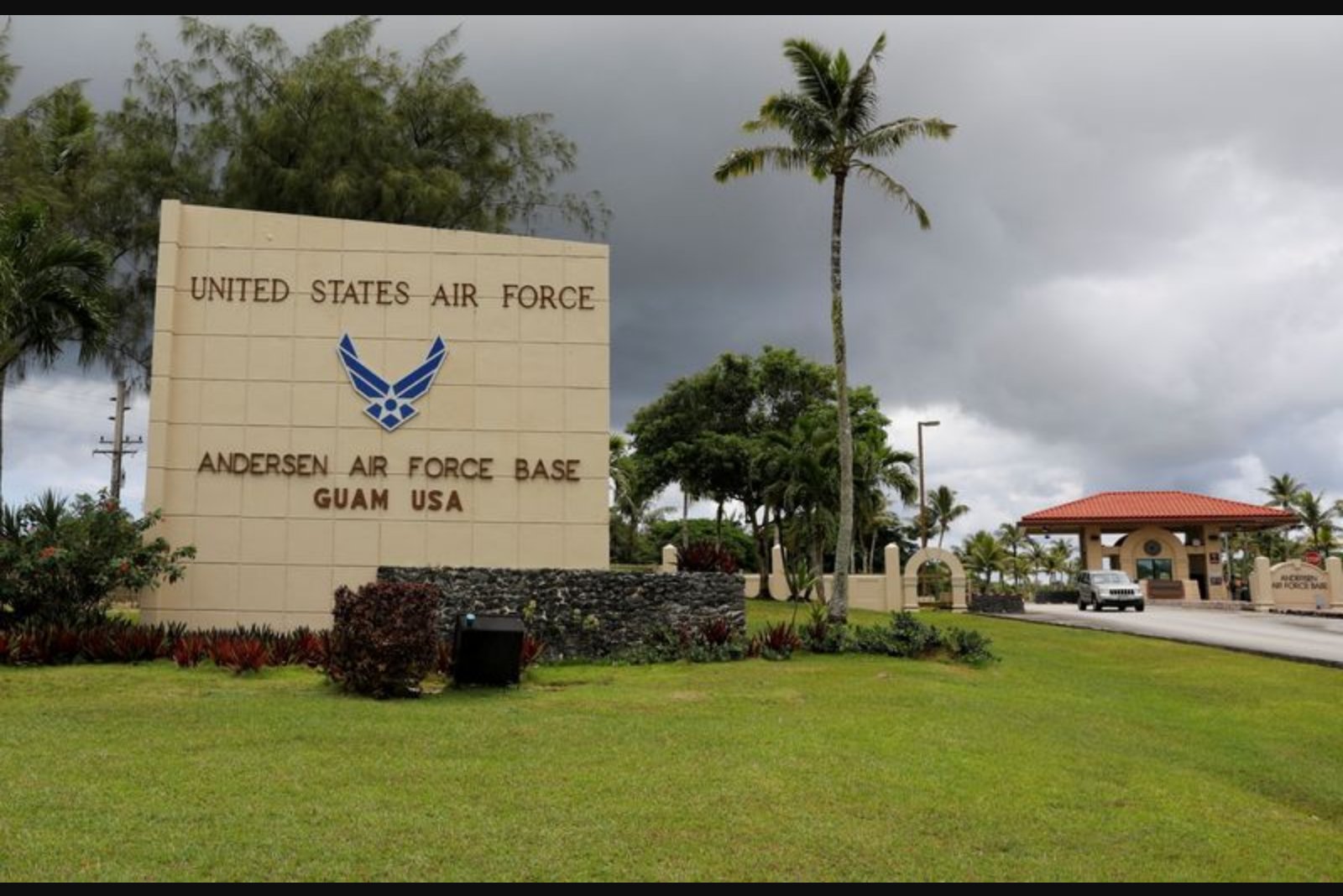
The U.S. Supreme Court has accepted an appeal by the Justice Department seeking to overturn a federal appeals court decision that revived a lawsuit by environmental advocates challenging the U.S. Air Force's disposal of hazardous explosives on a restricted beach in Guam.
The dispute centers on the Air Force's long-standing practice of open burning and open detonation of hazardous munitions at Tarague Beach, a site on the northern coast of Guam. According to the filings in the case, the Air Force has disposed of hazardous materials including tear gas and propellants at the location since 1982. Tarague Beach is described as restricted access, functions as a nesting area for endangered turtles, and overlies an aquifer that supplies more than 80% of the island's residents with drinking water.
Environmental organizations Prutehi Guahan and Earthjustice challenged the Air Force's request in 2021 to Guam regulators to renew a permit for those disposal activities. The plaintiffs contend that, before seeking permit renewal, the Air Force was legally required to evaluate the environmental impacts of its waste-disposal practices and to consider alternatives by producing an environmental impact statement as mandated by the National Environmental Policy Act, or NEPA.
NEPA, passed in 1970, requires federal agencies to prepare environmental impact statements for proposed major federal actions that could significantly affect the environment. The environmental groups are asking a court to order the Air Force to produce such a statement in connection with the permit renewal.
After Prutehi Guahan filed the suit with legal representation from Earthjustice, a federal trial judge in Guam dismissed the case on standing grounds, finding the plaintiff lacked the legal right to sue. That dismissal was reversed by a three-judge panel of the San Francisco-based 9th U.S. Circuit Court of Appeals, which in a 2-1 decision concluded that the Air Force should have conducted an environmental impact assessment before submitting its permit-renewal application.
The Justice Department appealed the 9th Circuit ruling to the Supreme Court. In its filings, the government argued that the Air Force did not need to comply with NEPA in this instance because it had followed procedural steps required under the Resource Conservation and Recovery Act of 1976, the federal statute that regulates the disposal of hazardous waste. The government warned the appeals court decision could impose additional burdens on federal agencies and courts by creating what it described as potentially premature and duplicative administrative and judicial proceedings.
In written remarks following the Supreme Court's decision to hear the case, an Earthjustice lawyer said the organization would continue to defend the ability of Guam residents to protect their health, land and resources. The Air Force did not immediately provide a response to requests for comment.
The Justice Department has urged the high court to consider the narrow question of when NEPA applies to federal activities that are addressed under other environmental statutes. In its brief to the Supreme Court the department argued the 9th Circuit's approach could force federal and state agencies into additional permitting and litigation steps that Congress did not intend when enacting the statutes at issue.
The 9th Circuit panel's decision and the government's appeal raise procedural and operational questions for federal agencies engaged in permitting and environmental compliance. The government framed the appellate ruling as one that risks imposing duplicative requirements on the military and other federal entities, potentially affecting how agencies sequence regulatory steps tied to hazardous-waste handling and permits.
The Supreme Court is scheduled to hear the case during its next term, which begins in October.
Context and procedural posture
- Air Force disposal activities at Tarague Beach have occurred since 1982, involving hazardous munitions such as tear gas and propellants.
- Tarague Beach is a restricted area, a nesting habitat for endangered turtles, and sits over an aquifer that supplies more than 80% of Guam's population with drinking water.
- Prutehi Guahan challenged a 2021 Air Force request to Guam regulators to renew a permit for open burning and open detonation of hazardous waste; the group is represented by Earthjustice.
- A federal judge dismissed the lawsuit for lack of standing; the 9th U.S. Circuit Court of Appeals reinstated it in a 2-1 decision, finding NEPA assessment was required before the permit renewal application.
- The Justice Department appealed to the Supreme Court, arguing that compliance with the Resource Conservation and Recovery Act procedures obviates an additional NEPA requirement for this action.
Next steps
The Supreme Court will hear arguments during its next term beginning in October. The high court's decision will determine whether the Air Force must produce an environmental impact statement under NEPA prior to seeking renewal of its permit for open burning and detonation activities at Tarague Beach.