
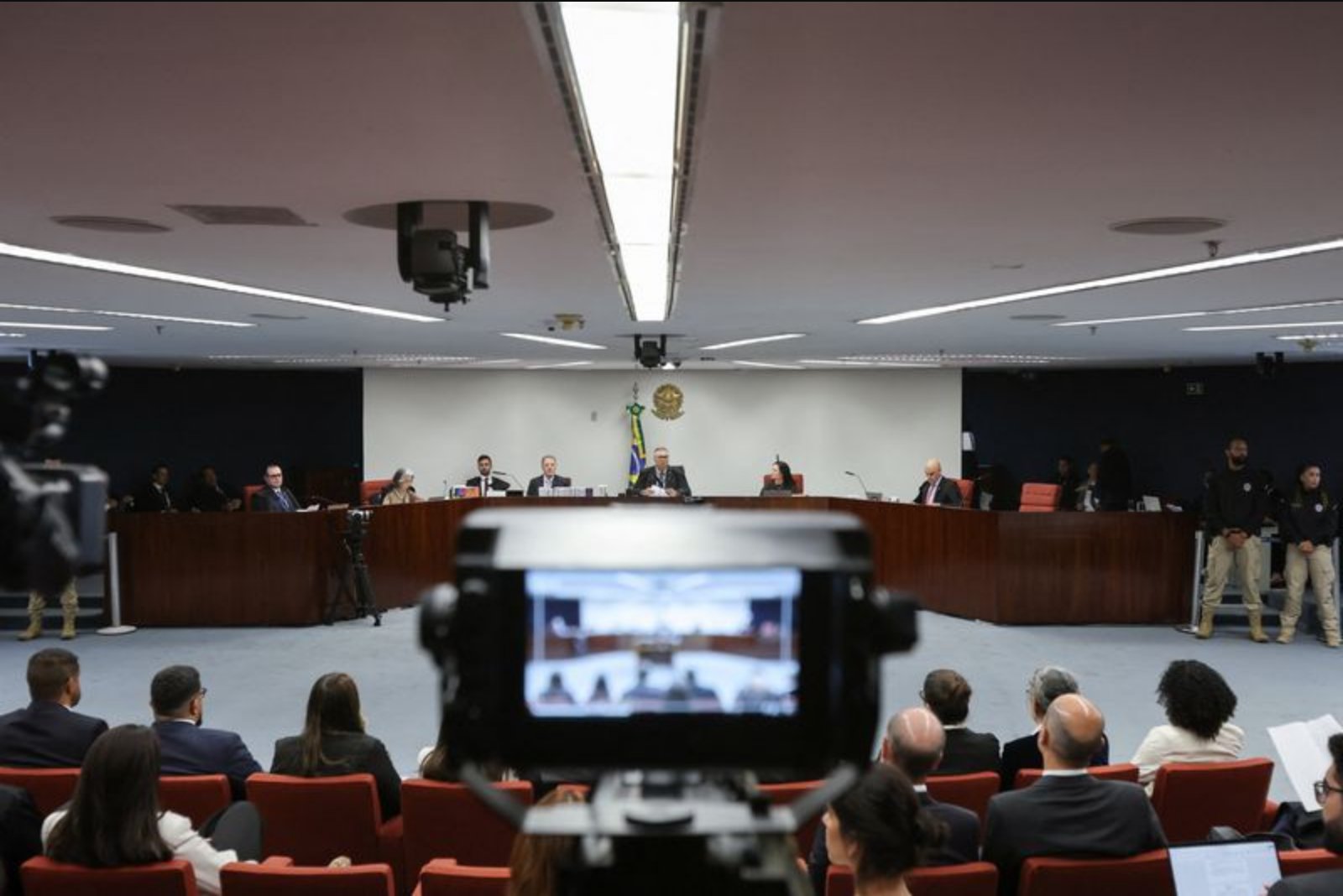
RIO DE JANEIRO, Feb 25 - A panel of Brazil's Supreme Court on Wednesday voted to convict a former member of Congress and four other defendants for their involvement in the 2018 killings of councilwoman Marielle Franco and her driver Anderson Gomes.
All four justices on the panel concluded that former Congressman Chiquinho Brazao and his brother Domingos Brazao - who serves as a councilor on the Rio de Janeiro state audit court - arranged the murder of Franco in 2018. The justices said the motive was to stop Franco and her political party from creating obstacles to an alleged illegal landgrabbing scheme.
The convicted individuals were found by the panel to have taken part in a plot that resulted in the death of Franco, a 38-year-old progressive elected official who had risen to prominence within the Socialism and Liberty Party. Franco was Black and gay, and grew up in a poor neighborhood of Rio de Janeiro. The attack on an elected representative of her standing generated shock in the city, even with Rio's long history of urban violence, and it prompted widespread outrage across Brazil and abroad.
The panel's ruling centers on the finding that efforts to silence a vocal critic and political actor were tied to the protection of an illicit property scheme. The justices' vote reflects their assessment that the ordering of the assassination was intended to neutralize obstacles that Franco and her party might pose to that scheme.
The case has been closely watched because of Franco's profile as a rising figure in a national left-leaning party and because the killings cut across issues of political violence, property disputes, and judicial accountability. The decision by the Supreme Court panel formally attributes responsibility for ordering the attack to two brothers with political roles in Rio de Janeiro.
Public reaction to the conviction connects to previously reported outrage following the 2018 killings, and to enduring concerns about violence in the city's urban environment. The panel's finding also highlights allegations of illegal land appropriation that the justices said motivated the plot.
Context summary - The ruling by the four-justice panel establishes that the motive for the 2018 killings was linked to preventing political obstruction of an alleged landgrabbing scheme; the victims were councilwoman Marielle Franco and her driver Anderson Gomes. The defendants include former Congressman Chiquinho Brazao and his brother Domingos Brazao, a councilor on the Rio state audit court.