
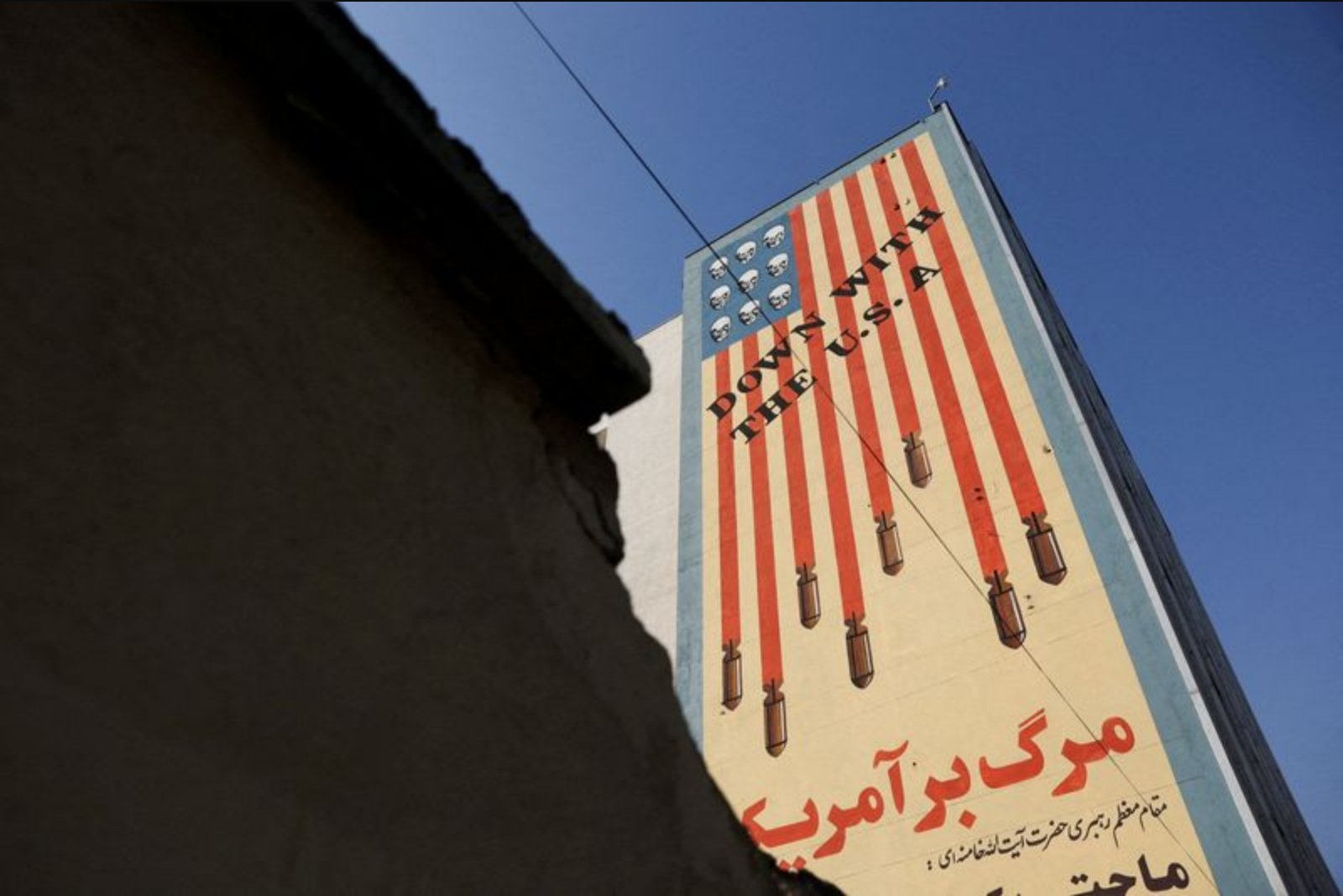
Iranian students took to campus grounds in Tehran for a third day of protests on Monday, persisting in public demonstrations weeks after security forces suppressed widespread unrest that officials say left thousands dead. The actions spanned several universities in the capital and highlighted continued public anger despite heavy-handed crackdowns.
State channels reported chanting at Tehran University, the burning of flags at the women-only al-Zahra University, and scuffles breaking out at Amir Kabir University. A verified video showed students at al-Zahra University chanting slogans including "we'll reclaim Iran", although the timing of that recording could not be confirmed.
The wave of campus demonstrations comes as tensions between Tehran and Washington have escalated. The United States began withdrawing non-essential personnel and family members from its embassy in Beirut, according to a senior State Department official, a move that officials described as a precaution amid rising regional friction.
U.S. President Donald Trump has repeatedly issued warnings to Iran since the nationwide protests first erupted in January, saying that "really bad things will happen" if negotiations fail to produce an agreement. Washington has presented a set of demands that include significant cuts to Iran's nuclear programme, restrictions on the range of its missiles, and an end to Iranian support for groups it backs across the Middle East.
To press those demands, the United States has increased its military presence throughout the region, deploying forces that have added pressure on Tehran while talks continue. Iranian leaders are confronting a confluence of threats - economic strains from international sanctions and domestic unrest that escalated into major protests earlier this year - creating what has been described internally as the gravest crisis of the Supreme Leader's 36-year tenure.
At the same time, Iranian President Masoud Pezeshkian reported that negotiations with the United States had produced "encouraging signals" even as a second U.S. aircraft carrier moved toward the Middle East. Despite the heightened posture, President Trump has not outlined specifics about any potential strikes on Iran. A senior White House official said last week there remained no "unified support" within the administration to proceed with a military attack.
The confluence of persistent domestic protests, international pressure, and military deployments has kept uncertainty high in the region. Students' continued willingness to demonstrate on university campuses underscores the depth of domestic dissatisfaction, while the international responses underscore the broader geopolitical stakes.
Context and developments
- Student protests were reported at Tehran University, al-Zahra University, and Amir Kabir University in Tehran.
- Video footage showed chants including "we'll reclaim Iran" at al-Zahra University, though the recording's date could not be confirmed.
- The United States has moved non-essential embassy personnel and family members out of Beirut and has increased its military presence across the Middle East while negotiations with Iran continue.