
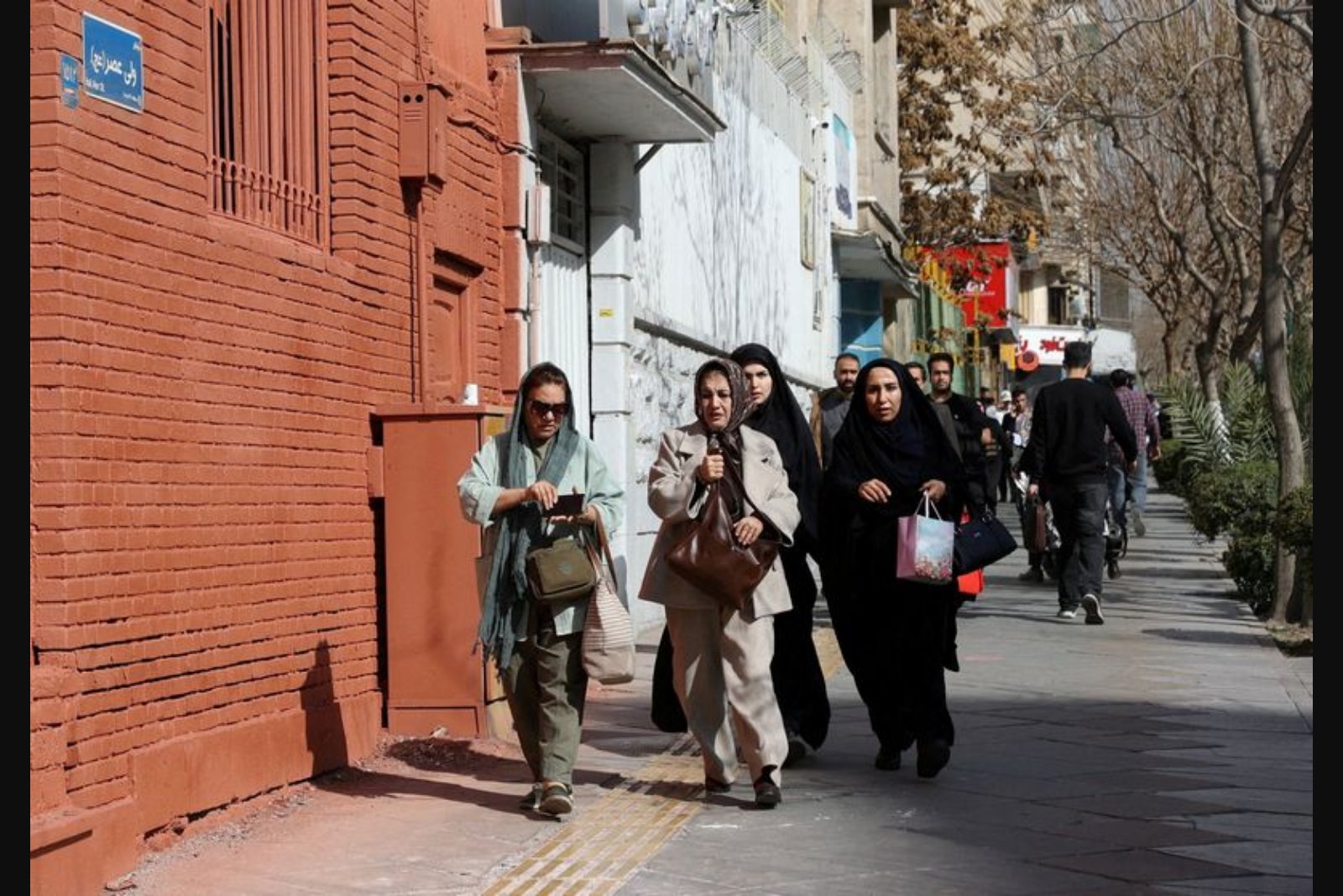
Explosions in Tehran and reports of strikes elsewhere in Iran on Saturday morning prompted widespread fear and a rush by many residents to leave cities, witnesses said. Long queues formed at petrol stations as people sought fuel, while families packed important belongings and headed toward regional and border towns in search of safety.
In the Iranian capital, blasts shook the city at the beginning of the working week and sent columns of smoke into the sky. One resident, Minou, a 32-year-old mother of two from Tabriz who spoke by phone, described the panic gripping families: "We are scared, we are terrified. My children are shaking, we have nowhere to go, we will die here." She said she was hurrying to collect her children from school. "What is going to happen to my children?" she asked, weeping.
Official guidance from Iran's top security body said it anticipated further attacks in Tehran and some other cities, and urged residents to "travel to other cities where possible so that you may remain safe from the harm of these two regimes’ acts of aggression". As part of the safety measures, schools and universities were ordered closed until further notice.
The strikes mark another traumatic episode for Iranians. The action followed recent domestic upheaval in which authorities carried out a deadly crackdown on nationwide unrest. The attacks also come eight months after last year’s 12-day conflict with Israel, during which the United States carried out strikes on Iranian nuclear sites.
U.S. President Donald Trump said the operation was intended to eliminate a security threat to the United States and to provide Iranians with an opening to overthrow their rulers. The Pentagon said the U.S. strikes were designated "OPERATION EPIC FURY."
Views among residents varied on how to respond. An Iranian from the central city of Yazd said he hoped the attacks would bring down the clerical establishment that has governed since the 1979 Islamic Revolution. "Let them bomb," he told Reuters. By contrast, Samira Mohebbi in Rasht in northern Iran said she opposed foreign military action despite her opposition to the regime: "I am against this regime, to hell with them. But I don’t want my country to be attacked by foreign forces, I don’t want my Iran to turn into Iraq," she said, referencing the neighbouring country’s experience after a U.S.-led invasion.
Security forces were reported to have blocked roads in the Tehran district that houses the offices of Supreme Leader Ayatollah Ali Khamenei, President Masoud Pezeshkian, and the parliament, witnesses said.
The strikes followed a recent round of talks in Geneva between United States and Iranian representatives that did not produce a breakthrough on Tehran’s nuclear programme, although Omani mediators had reported progress. A Tehran resident reacted with distrust: "They said the nuclear talks are going well. They fooled us again," he said.
Amid the panic, people were reported to be buying hard currency. In Isfahan, some residents said they could not withdraw cash from ATMs. Travel movements included families relocating toward border regions. Reza Saadati, 45, said he was taking his family to Urumieh near the Turkish border and planned that, if the border was open, he would cross and then fly to Istanbul.
From Ilam, about 500 km (300 miles) from Tehran, Mohammad Esmaili, 63, said he and his family intended to leave their town. "God knows what will happen to us. Pray for us," he said. A mother of three in Tehran summed up the mood on the streets: "People are shocked, scared. What is going to happen to us? Save us please."
Context and immediate effects
Eyewitness accounts across multiple cities described the same pattern: explosions or reports of strikes, visible smoke plumes, and widespread alarm prompting residents to seek fuel, cash and routes out of urban centres. Authorities have preemptively closed educational institutions and advised people to relocate when feasible. Security measures around key government districts in Tehran were increased, with roads blocked near major offices.
These developments unfolded after unsuccessful nuclear discussions between Iran and the United States in Geneva, a diplomatic effort that some mediators had described as showing progress but that ultimately did not result in an agreement.
Human impact
The immediate humanitarian dimension is visible in the statements of residents quoted across cities. Parents and elderly citizens described fear for their families and the future, while others expressed political hopes or concerns. Some sought to access hard currency and cash, while others tried to move toward border cities in the hope of leaving the country if necessary.
Reporting in this article reflects statements and accounts provided by witnesses and local residents. Authorities and officials cited in the piece include Iran's top security body, the Pentagon and the U.S. President.