
May 27 - A string of military drone incursions into Finnish and Baltic airspace between late March and May has heightened anxiety among NATO members bordering Russia. The events, involving unmanned aerial vehicles that have either missed their intended Russian targets or been redirected, have prompted air defence responses, civilian shelter orders and political fallout in Latvia.
Officials across the affected countries have reported multiple episodes in which drones passed into their territory, sometimes crashing and, in at least one instance, causing damage. Governments and defence forces in Finland, Estonia, Latvia and Lithuania have issued warnings, scrambled fighter aircraft and temporarily suspended transport operations in response to the incidents.
Chronology of incidents
- March 25 - Two Ukrainian military drones enter Estonia and Latvia via Russian airspace. One strikes a chimney at the Auvere power station in Estonia near the Russian border; another crash-lands in Latvia. Lithuania earlier reported a Ukrainian drone falling into a lake.
- March 29-30 - Finland reports suspected territorial violations by unmanned aerial vehicles in its southeast and deploys F/A-18 fighter jets. Authorities identify one flying object as a Ukrainian AN-196 drone. Finnish Prime Minister Petteri Orpo suggests that strong Russian electronic jamming could explain why drones drifted into Finnish airspace.
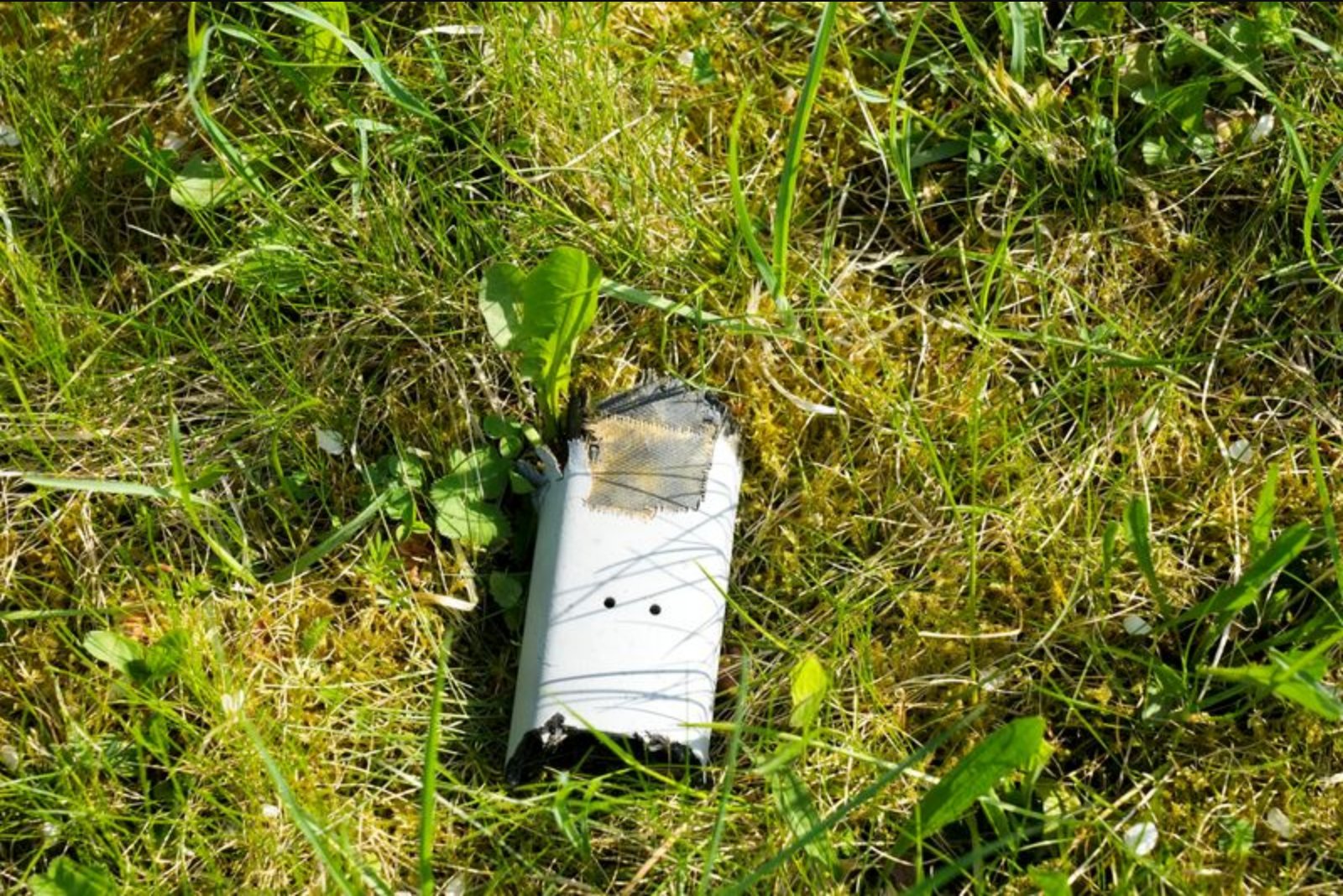
- March 31 - Estonia and Latvia detect foreign drone activity close to their shared borders with Russia, and Finland’s border guard discovers a drone on Finnish soil. Estonia later finds drone debris in Tartu County.
- April 1 - Estonia’s armed forces state that the drones detected in the country appear to have originated from Ukraine and were likely intended for targets in Russia.
- May 7 - Latvia and Lithuania request strengthened NATO air defences after two suspected stray drones cross from Russia and crash in Latvia. One of the crashes causes an explosion at an oil storage facility in Latvia’s Rezekne region, damaging four empty oil tanks.
- May 10 - Andris Spruds resigns as Latvia’s defence minister following criticism from Prime Minister Evika Silina that anti-drone systems were not deployed rapidly enough. Kyiv says the drones were Ukrainian but had been diverted by Russian electronic warfare.
- May 14 - Prime Minister Evika Silina resigns, precipitating the collapse of Latvia’s coalition government after Spruds’ Progressives party withdraws its support.
- May 15 - Finnish authorities warn 1.8 million people across the wider Helsinki region to stay indoors amid suspected drone activity, suspend air traffic at the capital’s airport and scramble fighter jets. President Alexander Stubb says there is no direct military threat to Finland.
- May 17-18 - Explosive materials are discovered near the remains of a suspected Ukrainian military drone that crashed in Lithuania close to the Latvian border and Belarus. Lithuanian officials report that the drone was not detected when it entered the country.
- May 19 - A Romanian NATO fighter jet shoots down a suspected Ukrainian drone over Estonia after it crossed into Estonian airspace from Russia. Ukraine issues apologies to Estonia and other Baltic allies, stating that Russia redirected the drone using electronic warfare, and denies that it used Latvian or Estonian territory to launch strikes on Russia.
- May 20 - Lithuania issues an "air danger warning": people in Vilnius are told to take shelter, traffic at the capital’s airport is suspended, lawmakers take refuge underground at parliament, train services are halted, and schools and kindergartens move children to shelters. Lithuanian authorities say the drone’s origin has not been confirmed.
- May 21 - Latvia’s armed forces report at least one drone operating in the country’s airspace and say NATO fighter jets are tasked to address the threat. Residents in regions bordering Russia and Belarus are advised to take shelter.
Immediate consequences
The incidents have produced a range of civilian and governmental responses: temporary shutdowns at airports, suspension of train services, public shelter orders, emergency-search operations for drone debris and political resignations. In Latvia, the cumulative effect of the incidents and criticism over the pace of defensive deployments led to the resignation of the defence minister and then the prime minister, collapsing the governing coalition.
Tactical explanations offered by officials include navigational errors and the effects of electronic warfare. Finnish authorities cited strong Russian jamming as one possible reason drones drifted into Finnish airspace, while Ukraine has said some of its drones were diverted by Russian electronic interference and has apologised where incursions occurred.
What remains uncertain
In several cases, authorities have not confirmed the precise origins of the drones before they entered national airspace or before they crashed. Lithuanian officials, for example, said one drone was not detected when it crossed into their territory, and authorities in the region continue to investigate debris and explosive material discovered near crash sites.