
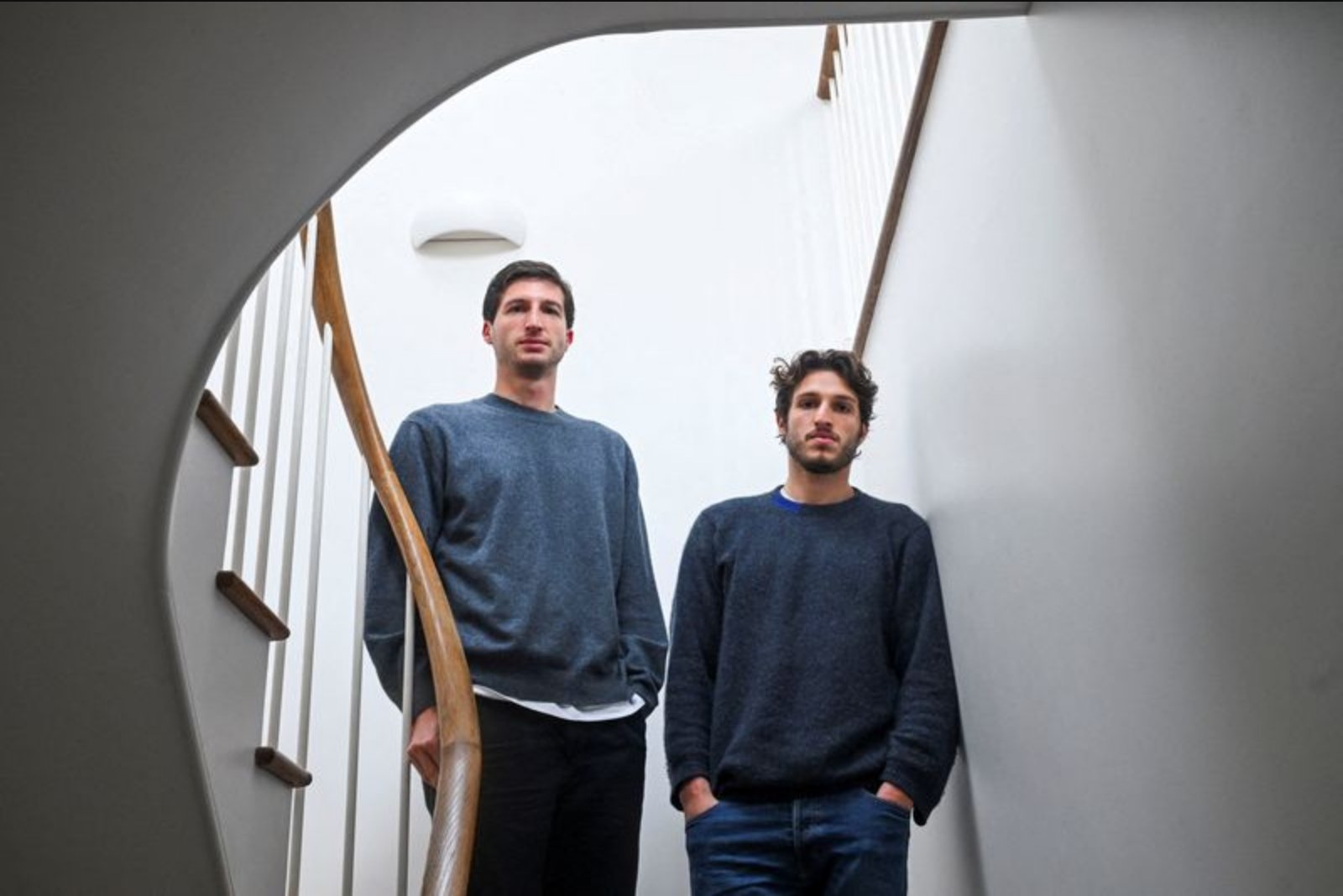
Kasim and Sulaiman Khan, the two sons of former Pakistani prime minister Imran Khan, have asked Pakistani authorities for permission to visit their father in jail, saying they are worried about his deteriorating health.
Based in London, the brothers, aged 26 and 29, told Reuters they remain uncertain about details released in a recent medical report after learning from their father on Thursday - the first verbal contact since September. Their lawyer told Pakistan's Supreme Court last week that Imran Khan had lost significant vision in his right eye while in custody. A medical board later reported that swelling had reduced after treatment and that his vision had improved.
During the call, the brothers said, their father expressed frustration that he had been denied treatment for his eye for several months. "It’s hard not to feel low at times because we’ve been away from him so long," Kasim said, using the family term "Abba" to refer to their father. Both men said their immediate concern is for his health and for access to appropriate medical care, including transfer to a suitable medical facility and permission to consult private doctors.
Imran Khan, 73, has been jailed since August 2023 following convictions that he and his Pakistan Tehreek-e-Insaf (PTI) party contend are politically motivated. Since his removal from office in 2022 by a no-confidence vote, he has faced multiple legal cases, including ones related to state gifts and an unlawful marriage. Some convictions have been suspended or overturned and appeals remain pending. He denies wrongdoing.
Kasim and Sulaiman, who were raised in Britain after their father’s divorce from their mother, British socialite and filmmaker Jemima Goldsmith, said they have not seen him since November 2022, after he survived an assassination attempt. They said they applied for visas last month but have yet to receive a response from Pakistani authorities. When asked why permission might be delayed, Sulaiman said: "Maybe the establishment is worried that if we go and see him it would create more noise, and just more attention to his situation." The Pakistani embassy in London and Pakistan's foreign ministry did not immediately respond to requests for comment.
Authorities have maintained that medical procedures are underway and have rejected opposition claims that Khan has been neglected in custody. The Supreme Court has requested details of his treatment. In courtroom and public access matters, broadcast outlets have faced restrictions on airing Khan’s name, speeches or images, and only a single court photograph has been publicly available since his imprisonment.
PTI, which won a sweeping victory in 2018 and continues to command broad support in key provinces, has mobilized supporters in response to Khan's detention. For four days, PTI supporters have blocked major highways that connect the province of Khyber Pakhtunkhwa to Punjab, stranding thousands of vehicles. These blockades have affected fuel and food supplies in some areas, according to reports.
Beyond their immediate concern for their father's health, Kasim said the family is also focused on broader legal and human rights issues. He cited "his freedom, abiding by correct human rights processes and also the rule of law and just ensuring that he’s allowed a proper, fair trial" as priorities. The brothers urged supporters to maintain faith and to continue peaceful efforts, with Kasim telling supporters to "keep faith and keep fighting" and describing that as the message they are trying to uphold.
As the brothers await a response to their visa applications and further information from medical authorities and the courts, uncertainty remains around access and the status of Khan’s treatment. The Supreme Court's request for treatment details signals judicial interest in verifying the care being provided, while official statements continue to emphasize that procedures are being followed.
Contextual notes
- Imran Khan has been jailed since August 2023; some convictions have been suspended or overturned and appeals are pending.
- Family contact has been intermittent: the sons last saw him in November 2022 and spoke to him by phone for the first time since September on Thursday.
- Protests by PTI supporters have disrupted transport links between Khyber Pakhtunkhwa and Punjab for multiple days, impacting fuel and food supply movements in affected regions.