
The moderate Socialist candidate captured a resounding victory in Portugal's presidential runoff on Sunday, taking almost two-thirds of the ballots cast and signaling that a large portion of the electorate - including many conservative voters - rallied against his far-right opponent.
According to official tallies, the Socialist secured nearly 3.5 million votes, equal to 66.8% of the total. The Chega party leader received 33.2%, with just over 1.7 million votes, an increase of about 413,000 votes from the first round of voting on January 18.
What the result shows
Analysts interpreting the outcome say it demonstrates two related dynamics. First, the presidential contest brought a broad coalition together to block the far-right candidate, producing a clear mandate for the Socialist victor. Second, the far-right leader, despite his gains relative to previous contests, appears to have reached a limit in his ability to expand support beyond roughly one-third of voters.
Political scientist Jose Tomaz Castello Branco of the Catholic University in Lisbon said he does not believe Chega can extend much beyond the one-third share it reached in this election, and expressed skepticism about claims by the far-right leader that he now heads Portugal's right wing. At the same time, he noted that voters are becoming less reluctant to back a far-right option, reflecting a sort of normalisation among a segment of the electorate.
Parliamentary implications
Chega is already the main opposition group in Portugal’s parliament and holds the second-largest number of seats. Analysts have pointed out that the party’s growth in successive ballots, including the additional votes won in the presidential runoff, places it within striking distance of potentially becoming the largest parliamentary faction in the next general election - an event not scheduled until 2029 unless an early election is called. The party’s share in the runoff also represented an increase of roughly 300,000 votes compared with the parliamentary election last May.
Even so, experts caution that a parliamentary contest is likely to involve multiple parties and candidates, which could dilute the concentrated support the Chega leader achieved in a two-candidate presidential race.
Javier Carbonell, an analyst at the European Policy Centre think-tank, said that the notable instance of prominent conservative figures publicly backing the Socialist in the runoff - a rare alignment in the European context - could help form a centrist front aimed at keeping Chega from governing in the future.
Voices on the streets
Reactions from Lisbon residents illustrated the divide in public sentiment. Jorge Ferreira, 66, said the result provided reassurance that the far-right may have limited prospects for further growth in Portugal. By contrast, Matilde Ribeiro, 24, described the rapid rise of the far-right candidate across recent elections as deeply worrying and as part of a broader trend affecting Europe and the world.
Leader's response
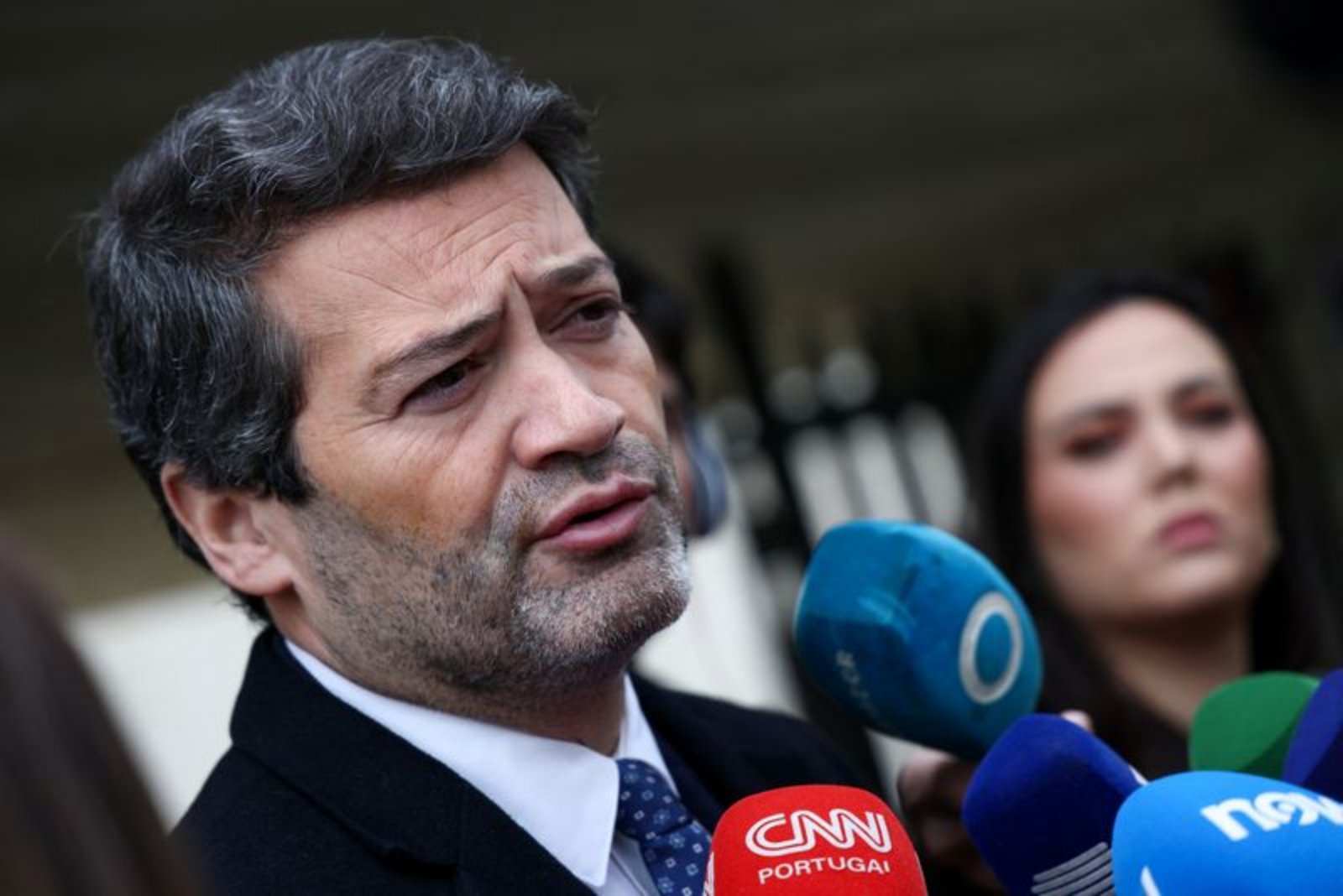
The Chega leader acknowledged the defeat but framed the result as a step toward future success, telling supporters that while his camp had not won this contest, it remained "on the path to this victory." Campaign messaging from the Chega candidate in the presidential race centered on ending what he described as half a century of corruption by mainstream parties.
Vote totals and context
- The Socialist victor received nearly 3.5 million votes, equal to 66.8% of ballots cast.
- The far-right candidate obtained 33.2% of votes, a little over 1.7 million ballots.
- The far-right candidate increased his raw vote count by about 413,000 compared with the first round, and by roughly 300,000 relative to Chega's total in last May's parliamentary election.
- The ruling centre-right alliance secured about 2 million votes in the parliamentary election referenced in the results.
Outlook
Observers note that while Chega's electoral presence has clearly expanded and the far right has become more visible in Portugal's political life, this presidential outcome indicates constraints on the party's ability to attract a majority of centre-right voters. The future balance of power will depend on whether centrist and conservative forces can maintain coordinated opposition to Chega and on the timing and dynamics of the next parliamentary contest.