
Overview
Mexican armed forces carried out a surprise raid on Sunday that resulted in the death of Nemesio Oseguera, widely known as "El Mencho," the leader of the Jalisco New Generation Cartel (CJNG). The operation - described as the largest security action in Mexico in at least a decade - removed a figure who had eluded capture across multiple administrations and carried a $15 million bounty from U.S. authorities. While the strike has been framed as an operational success and a signal to Washington of Mexico’s counter-crime capabilities, it immediately provoked a spasm of coordinated violence that highlighted the CJNG’s expansive territorial reach and the complex choices facing President Claudia Sheinbaum.
Signal to the United States and political context
The United States provided intelligence support for the operation and praised the outcome. The White House press secretary said the U.S. "commends and thanks the Mexican military for their cooperation and successful execution of this operation." At the same time, U.S. President Donald Trump has repeatedly pressured Mexico to intensify its actions against cartels and has warned of the possibility of unilateral U.S. action; he reiterated his push on social media following the raid, urging Mexico to "step up their effort on Cartels and Drugs!"
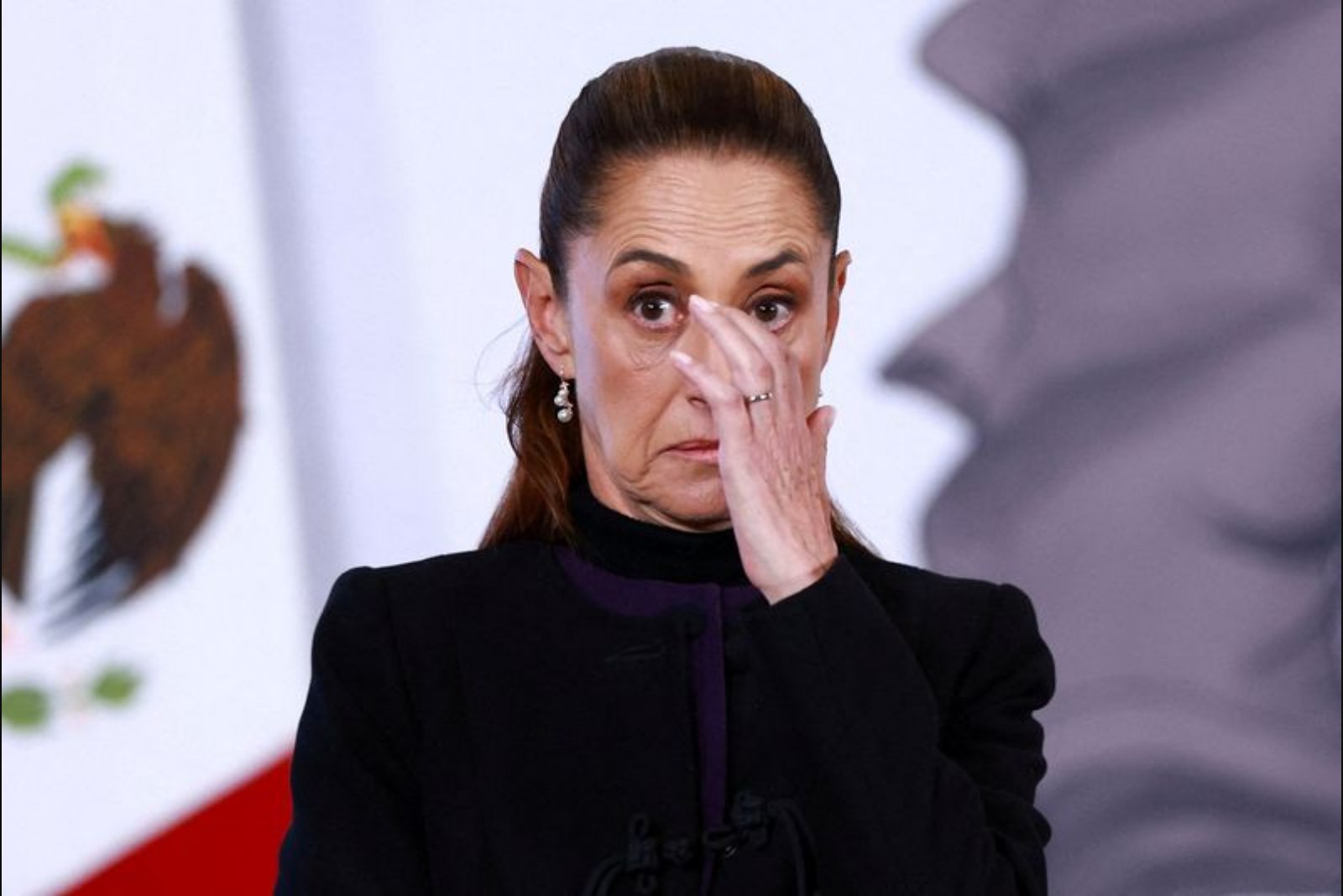
For President Sheinbaum, the mission represented an opportunity to demonstrate that Mexico can conduct sophisticated operations against powerful criminal networks without U.S. troops on Mexican soil. The decision marks a departure from the security posture associated with her predecessor, who emphasized poverty alleviation and social programs over direct confrontation with criminal groups. Critics of that approach say it allowed organizations like the CJNG to consolidate and expand their control over territory and economic activities.
Immediate retaliation and scope of CJNG influence
El Mencho’s loyalists responded to his killing with a coordinated campaign of unrest across the country. In the hours after the raid, CJNG-affiliated forces set more than 250 roadblocks and launched arson attacks on cars and businesses in 20 of Mexico’s 32 states, stretching from the U.S. border in the north to the frontier with Guatemala in the south. Although many of these roadblocks were removed by Monday morning, the episodes of violence exposed how deeply embedded the cartel is in multiple regions and how quickly destabilizing actions can spread.
The attacks underlined the CJNG’s unusual organizational model. Analysts describe the cartel less as a centralized hierarchy and more as a franchise network - dozens of semi-autonomous groups operating under the CJNG brand. That structure helped it grow into one of Mexico’s largest and deadliest criminal organizations, eclipsing even the Sinaloa Cartel in territorial reach. It also means the cartel’s internal cohesion may be tested now that its longstanding leader has been killed, creating potential for shifting alliances among subordinate groups.
Strategic dilemma for the Mexican government
The government now faces a strategic choice about whether to open an expanded front against the CJNG while already conducting sustained military operations directed at the Sinaloa Cartel. Mexico has deployed hundreds of troops to Sinaloa state as part of a year-long offensive, yet violent crime there persists. Observers point to recent incidents such as the January kidnapping of 10 workers at a silver mine operated by a Canadian company as evidence that criminal activity continues despite deployments.
Military and security experts warn that resources may be insufficient to sustain simultaneous, large-scale offensives against both major cartels. One former commander familiar with anti-cartel operations said the military had difficulty seizing and holding terrain when focused solely on the Sinaloa Cartel and argued that conducting concurrent campaigns against multiple powerful groups would be even more challenging.
Potential consequences for violence trends and economic actors
Since Sheinbaum took office, homicide rates have fallen sharply, but analysts caution that the killing of El Mencho could disrupt that progress. One explanation for the reduction in murders has been that CJNG had achieved dominant control in certain areas, which may have reduced overt conflict. With the cartel’s leader removed, that dynamic could unravel.
The CJNG’s operations extend into a wide range of economic activities, with documented involvement in extortion and complex fuel smuggling schemes. Sectors such as agriculture - including avocado producers who have been targeted for extortion - mining, and energy may feel the impact of renewed cartel activity. The kidnapping at the Canadian-operated silver mine illustrates the direct security risks faced by extractive operations in affected regions.
Political stakes and public sentiment
The raid is a high-stakes political calculation for President Sheinbaum. Her party’s ascent in 2018 was driven in part by public frustration with a drug war that has produced tens of thousands dead or missing. The operation against El Mencho signals a clear break from the non-confrontational security approach that prioritized social programs over direct offensive action. But the political payoff depends on whether the government can manage the aftermath and prevent retaliatory violence from undermining public safety and confidence.
Expert perspectives
Observers emphasize both the magnitude of the gamble and the uncertainties ahead. One analyst described the decision to confront the CJNG as a "huge bet" against the country's most powerful criminal group with very high stakes. Other experts highlighted the cartel’s franchise-like structure and warned that semi-autonomous affiliates could react unpredictably - potentially switching allegiances or escalating violence in the wake of leadership decapitation.
Conclusion
The elimination of El Mencho represents a major tactical victory that may mark an inflection point in Mexico’s long struggle with organized crime. Yet it also brings a host of operational and political challenges: a coordinated retaliation by the CJNG that revealed the cartel’s reach, the question of how to allocate military forces already engaged elsewhere, and the prospect that violence could rebound or spread into economic sectors vulnerable to criminal control. The coming weeks will be critical in determining whether the operation yields sustained gains in security or invites a destabilizing backlash.
Note: This analysis summarizes verified actions, statements, and expert commentary reported following the operation and its immediate aftermath. It does not introduce additional facts beyond those documented in available reporting of the event.