
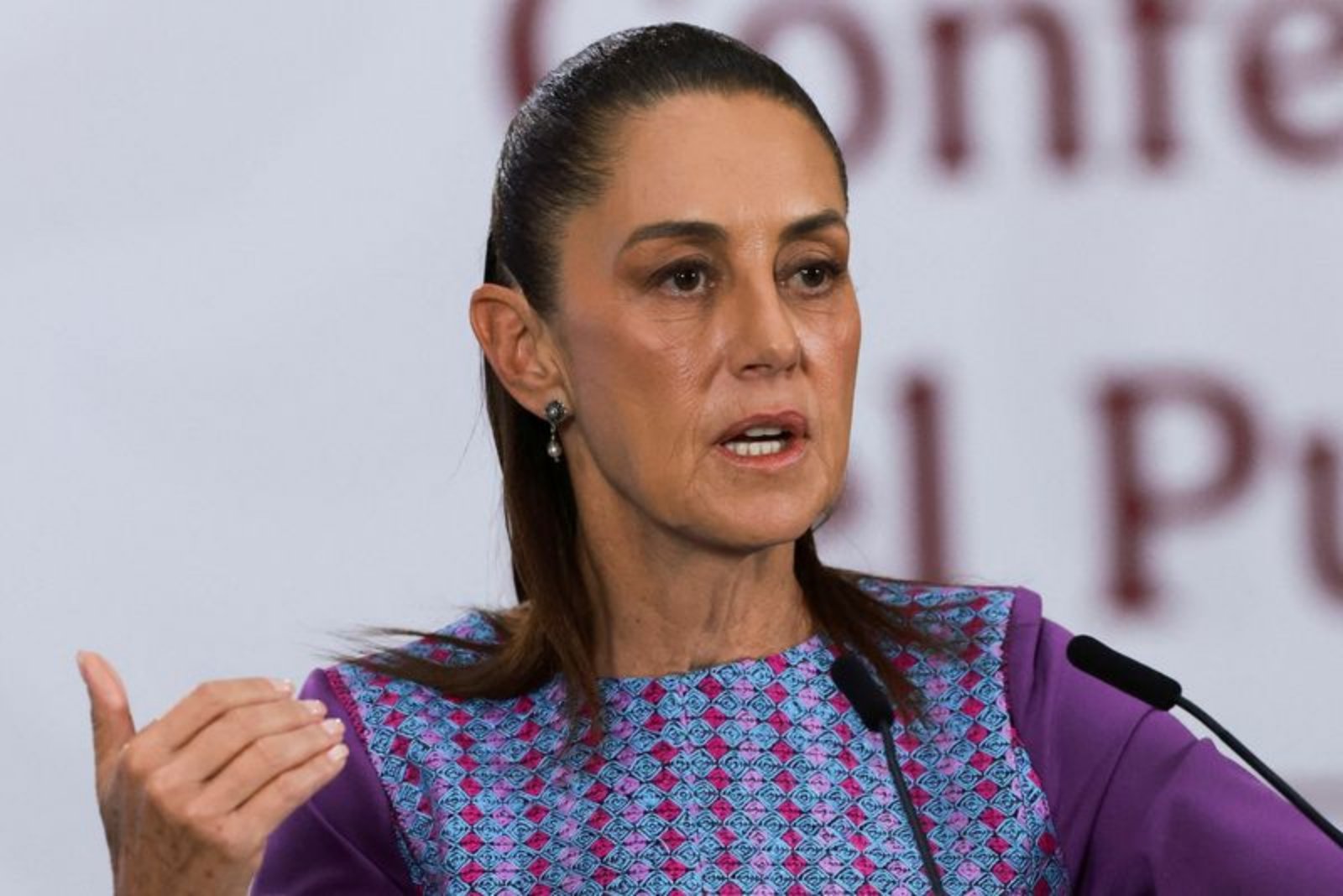
Mexican President Claudia Sheinbaum privately directed members of her ruling Morena party to step down if they are involved in corrupt conduct, two party sources said, an instruction delivered as U.S. pressure mounts over alleged links between Mexican politicians and drug cartels.
According to the sources, Sheinbaum issued the call during a meeting with Morena governors held at the National Palace last Thursday. One of the sources said she had made the same appeal a week earlier, on May 7, during a meeting with the party's lawmakers.
Attempts to obtain comment from the presidency and from Morena were unsuccessful, the sources said. One of the party sources, speaking on condition of anonymity because the discussions were private, summarized the message as follows:
"The ultimatum was that if they are involved in anything shady, they must resign and face the consequences."
The sources said Sheinbaum did not name any individuals in those meetings and did not outline what steps would follow if officials refused to resign. The private admonitions have not previously been disclosed, the sources added.
Those internal warnings come in the wake of a high-profile U.S. indictment announced last month that charged Sinaloa State Governor Ruben Rocha and several other current and former officials with alleged involvement with the Sinaloa Cartel. Publicly, Sheinbaum has criticized the extradition requests that accompanied the indictment, arguing they lack sufficient evidence for Mexican authorities to issue arrest warrants. Sheinbaum has asked Washington for "clear" proof and has said that absent such evidence the charges seem politically motivated.
Privately, however, the message to members of her party appears more stringent, the sources said. Governor Rocha, who has denied any wrongdoing, is an influential figure within Morena and is known as a close ally of the party's former leader. Rocha has temporarily stepped aside while a local investigation continues, according to the sources.
Party insiders say those developments have deepened divisions inside Morena. Some factions want to resist what they view as U.S. intervention in internal politics by protecting allied officials; others favor a more forceful stance against alleged corruption among party ranks. Those internal tensions, the sources said, have intensified amid fears that Washington could use wider legal tools to pursue Mexican officials.
Two party sources told reporters there is a growing worry among Morena members that U.S. authorities might invoke anti-terrorism statutes to target officials, and that the party itself could be implicated in such actions in a manner similar to how some criminal organizations have been designated. When asked about the prospect of such a designation at a regular press conference, Sheinbaum dismissed the possibility, saying she saw "no risk" that Morena would be labelled a foreign terrorist organization.
Behind closed doors, however, the sources said, Sheinbaum has offered a more cautionary message, warning party members about the potential damage to Morena and its allied networks if corruption allegations are allowed to persist. "We must guarantee the future of Morena," she told those in attendance, according to the sources.
Sheinbaum is due to meet with U.S. Department of Homeland Security Secretary Markwayne Mullin on Thursday as diplomatic tensions between Washington and Mexico continue to simmer.
Complicating the bilateral relationship, last month the deaths of two U.S. officials in a car crash in northern Mexico sparked a diplomatic dispute about the circumstances of their travel. The officials were riding with a convoy of Mexican security forces returning from an operation at a suspected drug lab, and some sources said the U.S. personnel were CIA officers.
The presence of U.S. operatives in joint anti-cartel actions is a highly sensitive subject in Mexico. Sheinbaum has consistently stated that while she supports intelligence sharing and cooperative security efforts with the United States, she will not allow U.S. agents or forces to participate in operations on Mexican soil.
By contrast, the U.S. president has publicly called for more aggressive use of U.S. military power to confront Mexican cartels and has threatened that Washington could act independently if it deems Mexico's response insufficient. Against that backdrop of strained rhetoric, a U.S. Department of State official said Washington has begun a review of the more than 50 Mexican consulates operating in the United States, a process that could lead to closures of some diplomatic offices.
The private directives from Sheinbaum to her party and the surrounding international friction reflect an administration navigating competing pressures: the need to respond to allegations of corruption within its own ranks while managing a sensitive security partnership with the United States.