
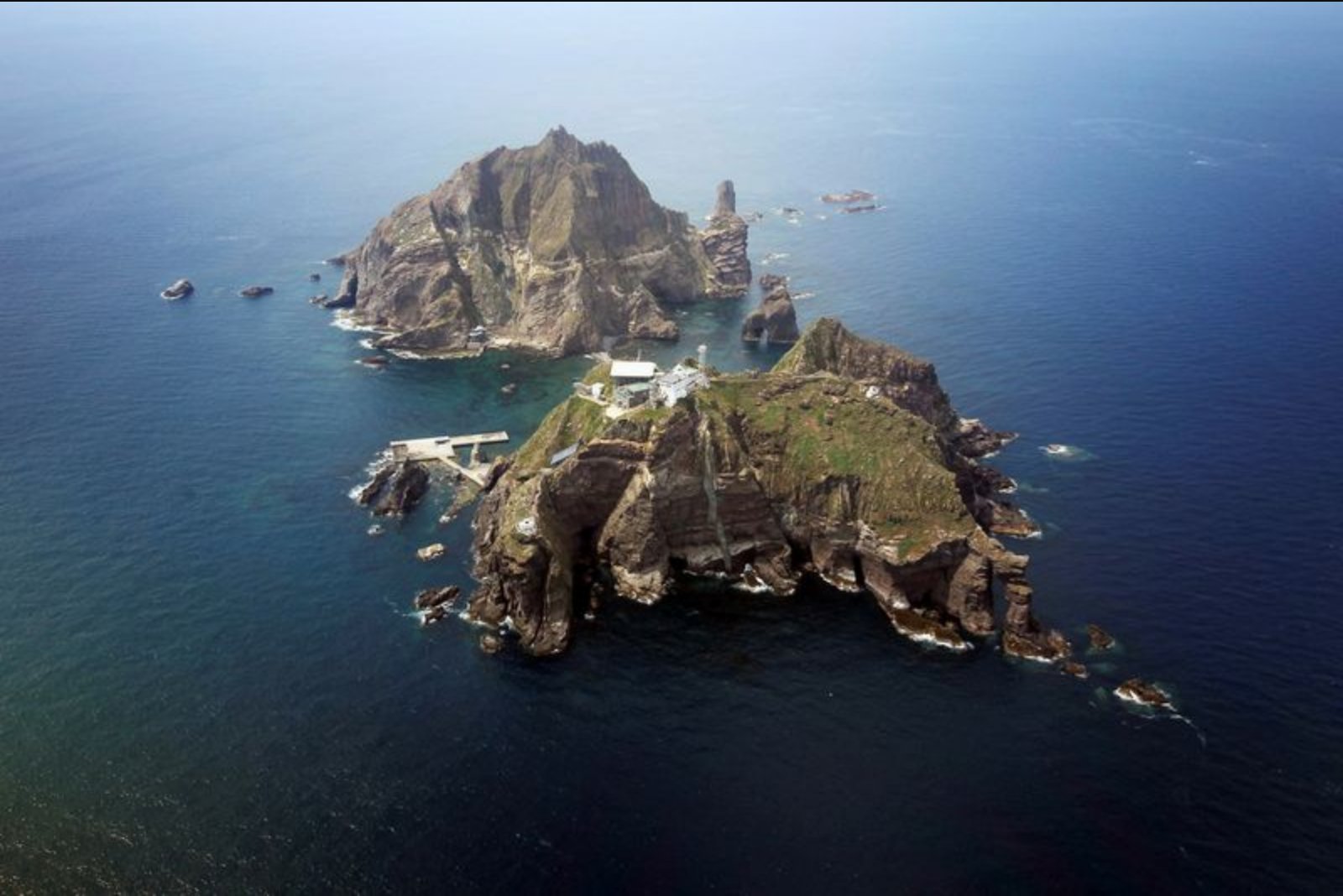
SEOUL, Feb 22 - South Korea on Sunday formally objected to an event organised by Japan's Shimane prefecture commemorating the contested islets known as Takeshima in Japan and Dokdo in South Korea. In a statement, the South Korean foreign ministry said it "strongly objected" to the Takeshima Day ceremony and to the presence of a senior Japanese government official, calling the move an unjust assertion of sovereignty over territory Seoul controls.
The ministry demanded that Japan "immediately abolish the ceremony," saying the islets are indisputably South Korean territory. "Dokdo is clearly South Korea’s sovereign territory historically, geographically and under international law," the statement said, urging Japan to abandon what Seoul described as groundless claims and to "face history with humility."
Seoul summoned a senior Japanese diplomat to the foreign ministry building in the capital to register the protest in person. A representative at Japan’s foreign ministry was not available on Sunday to comment, and a call to the Prime Minister's Office went unanswered, the South Korean statement noted.
In Tokyo, the government was represented at the Shimane prefecture ceremony by a vice-minister from the Cabinet Office rather than by a cabinet minister. Seoul has repeatedly objected to Japanese territorial claims over the islets and highlighted recent remarks by Japan’s foreign minister during a parliamentary address asserting Tokyo’s sovereignty over the territory; a separate protest was issued by Seoul on Friday over those comments.
The small islands have long been a flashpoint between the two neighbours. South Korea controls the islets, and bilateral relations remain strained by disputes rooted in Japan's colonial rule of the Korean peninsula from 1910 to 1945, the foreign ministry said.
Beyond sovereignty, the territory sits in fertile fishing grounds, and South Korea has said the area may overlie substantial deposits of natural gas hydrate that could be worth billions of dollars. Those economic considerations form part of the context for Seoul's repeated diplomatic objections.
Summary
South Korea summoned a top Japanese diplomat to lodge a protest after Shimane prefecture held a Takeshima Day event attended by a senior Japanese official. Seoul called the ceremony an unjust claim on territory it controls, demanding the observance be abolished and reiterating that the islets are South Korean under historical, geographic and legal grounds. The area is noted for rich fisheries and potential natural gas hydrate deposits.