
World May 31, 2026 04:16 AM

Seoul and Tokyo Explore Military Logistics Pact; South Korea Signals Caution

Defense ministers discuss acquisition and cross-servicing agreement at Shangri-La Dialogue in Singapore amid public sensitivities

By Avery Klein

South Korea and Japan held talks on a possible military logistics support arrangement during the Shangri-La Dialogue in Singapore, but South Korea's defence minister emphasized a cautious approach given domestic sensitivities tied to historical grievances and public resistance to Japanese military presence on the peninsula.

Seoul and Tokyo Explore Military Logistics Pact; South Korea Signals Caution

Key Points

  • South Korea and Japan held talks on a potential military-logistics support deal at the Shangri-La Dialogue in Singapore; the discussion centered on an acquisition and cross-servicing agreement.
  • Seoul's defence minister Ahn Gyu-back said the government will proceed cautiously and emphasized the need to persuade citizens of both countries before moving forward; public sentiment in South Korea is shaped by historical grievances and opposition to Japanese troops on the peninsula.
  • Sectors potentially affected include defence procurement, logistics and supply chains for military consumables such as fuel, food and ammunition, which could see coordination changes if an agreement proceeds.

(Corrects additional reporting credit to Tokyo, not Seoul)

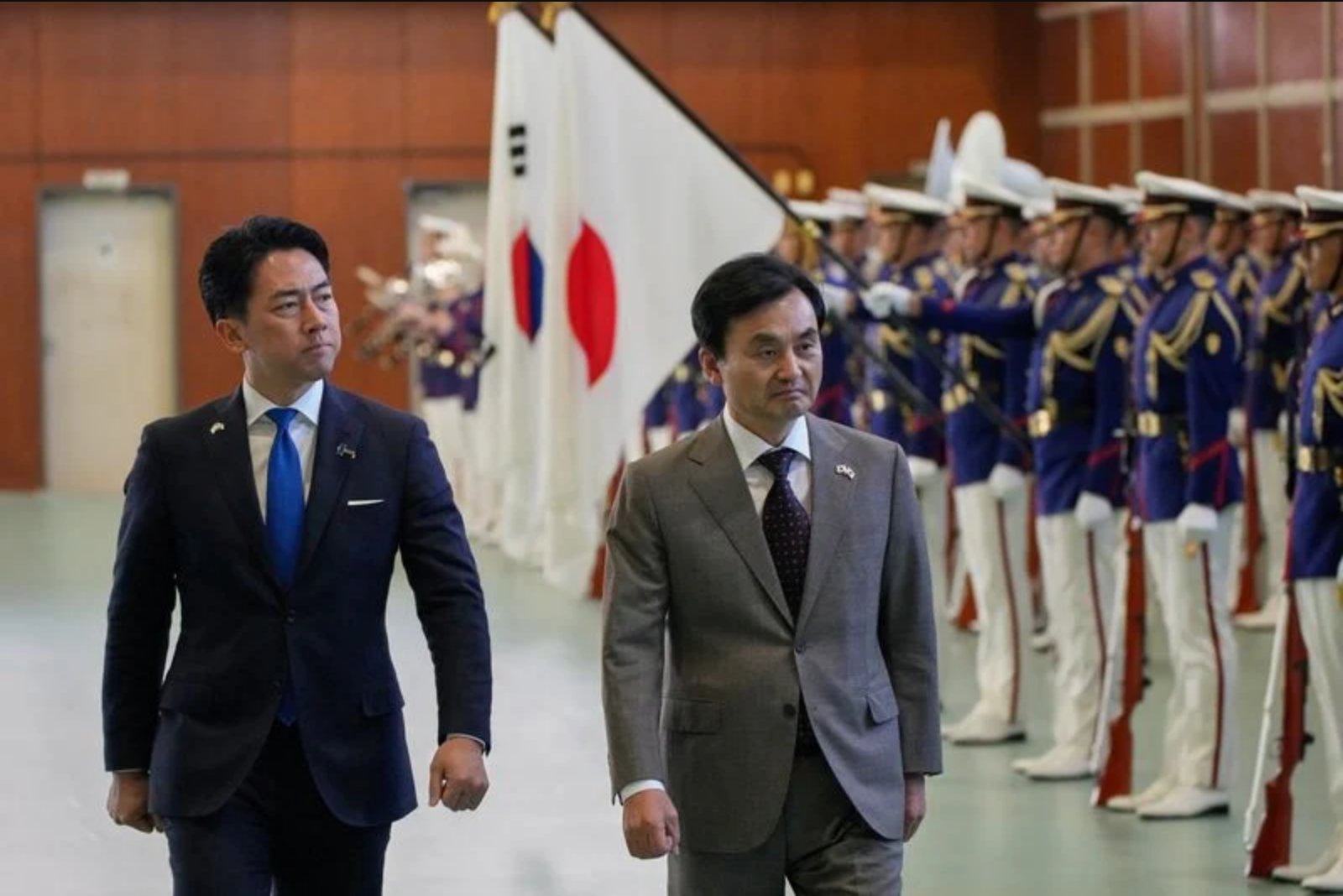
SINGAPORE - South Korea and Japan discussed the potential for a military-logistics support agreement on Sunday, South Korea's defence minister said, but Seoul is approaching the proposal carefully because of political sensitivities at home.

After meeting his Japanese counterpart Shinjiro Koizumi at the Shangri-La Dialogue for regional defence officials in Singapore, Defence Minister Ahn Gyu-back told reporters that any such pact would require convincing the public in both countries and that South Korea should proceed with caution.

Ahn's remarks referred to what is described as a possible acquisition and cross-servicing agreement. Under that type of arrangement, neighbouring U.S. allies would be able to provide and procure military logistics from one another - items such as fuel, food and ammunition - to support operations and sustainment.

The Seoul government has maintained a cautious stance toward the idea. Ahn pointed to lingering public grievances stemming from Japan's 1910-1945 colonial rule and noted resistance among the South Korean public to the prospect of Japanese troops operating on the Korean Peninsula as central factors shaping Seoul's posture.

Requests for comment to Japan's Defense Ministry and the Prime Minister's Office were not answered outside business hours, according to the reporting.


Context and implications

While the two defence ministers engaged in discussions at the Singapore forum, South Korea's comments underscore that any move toward a formal logistics-sharing mechanism remains politically sensitive. The proposal discussed - an acquisition and cross-servicing agreement - would create practical channels for sharing supplies and services between the two neighbours, but it must first navigate public opinion and historical grievances.

What was confirmed

  • Officials from South Korea and Japan discussed a possible military-logistics support agreement at the Shangri-La Dialogue in Singapore.
  • Defence Minister Ahn Gyu-back said Seoul remains cautious and emphasized the need to persuade citizens in both countries.
  • The agreement under discussion is an acquisition and cross-servicing arrangement that would cover logistics items such as fuel, food and ammunition.

The discussion is ongoing, and Seoul's public sensitivities will be a major factor in whether the two countries advance toward a formal pact.

Risks

  • Domestic political resistance in South Korea tied to historical grievances from Japan's 1910-1945 colonial rule could prevent or delay any formal agreement - this risk primarily affects defence policy and related procurement planning.
  • Public opposition in South Korea to the presence of Japanese troops on the peninsula may constrain the scope of cooperation and create uncertainty for defence and logistics suppliers.
  • Lack of immediate comment from Japan's Defense Ministry and Prime Minister's Office leaves uncertainty about Tokyo's position and timeline, which can affect bilateral negotiations and defence industry expectations.

More from World

Peru Runoff Poised on a Knife-Edge as Sanchez Narrows Gap With Fujimori, Ipsos Poll Finds Jun 4, 2026 Kennedy Center Directed to Revert Name After Federal Ruling Jun 4, 2026 Colorado Appeals Court Orders New Trial for Paramedics in Elijah McClain Death Jun 4, 2026 U.S. Treasury Adds Cuban President Miguel Diaz-Canel to Sanctions List Jun 4, 2026 Zelenskiy Invites Putin to Direct Talks in Open Letter, Proposes Ceasefire During Negotiations Jun 4, 2026