
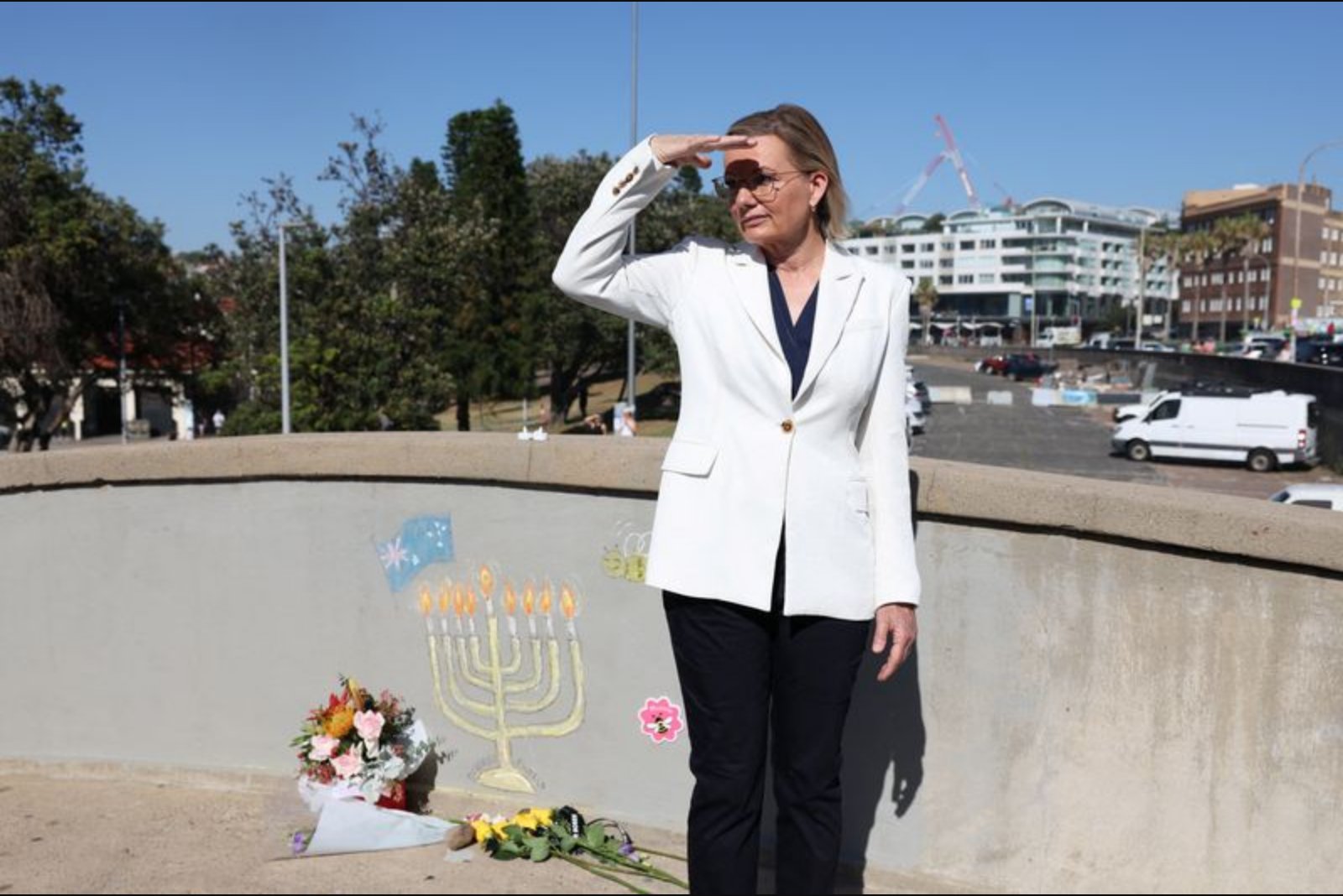
Australia’s opposition leader, Sussan Ley, faces an immediate leadership test after a senior member of her shadow cabinet stepped down and signalled she may not be the right person to head the Liberal Party.
Angus Taylor resigned from his post as shadow defence minister on Wednesday evening, telling reporters in Canberra: "I don’t believe Sussan Ley is in a position to be able to lead the party as it needs to be led from here." He added: "What we need right now is strong leadership, clear direction and a courageous focus on our values."
Australian media widely reported that Taylor was preparing to challenge Ley for the leadership and that his backers would move to force a party room vote possibly as early as Thursday. Ley and Taylor did not immediately respond to requests seeking comment.
Taylor, who has served in the lower house since 2013, framed his resignation as part of an urgent effort to restore confidence in the Liberal Party following its heavy defeat to the centre-left Labor Party at the election in May. He said decisive action was necessary because support for the Liberals has been eroding since that loss.
Recent opinion polling has signalled a worrying shift for the Liberal-National opposition coalition. A widely watched Newspoll published this week by The Australian newspaper showed the coalition's primary vote falling to 18%, while support for Senator Pauline Hanson’s One Nation party rose to 27%. The same poll described Ley as the most unpopular major party leader in more than two decades.
Ley, who became the first woman to lead the Liberals in May after then-leader Peter Dutton lost his seat at the election, has a background that includes work as an outback pilot, mustering livestock and raising three children on a farm before attending university. Those biographical details remain part of the public record as the party navigates this internal challenge.
This development raises an immediate question about the timing and outcome of any party-room vote and the trajectory of the Liberal Party as it seeks to rebuild after electoral defeat. The resignation of a shadow defence minister and reports of a potential leadership challenge mark a significant episode in the party’s post-election adjustment.