
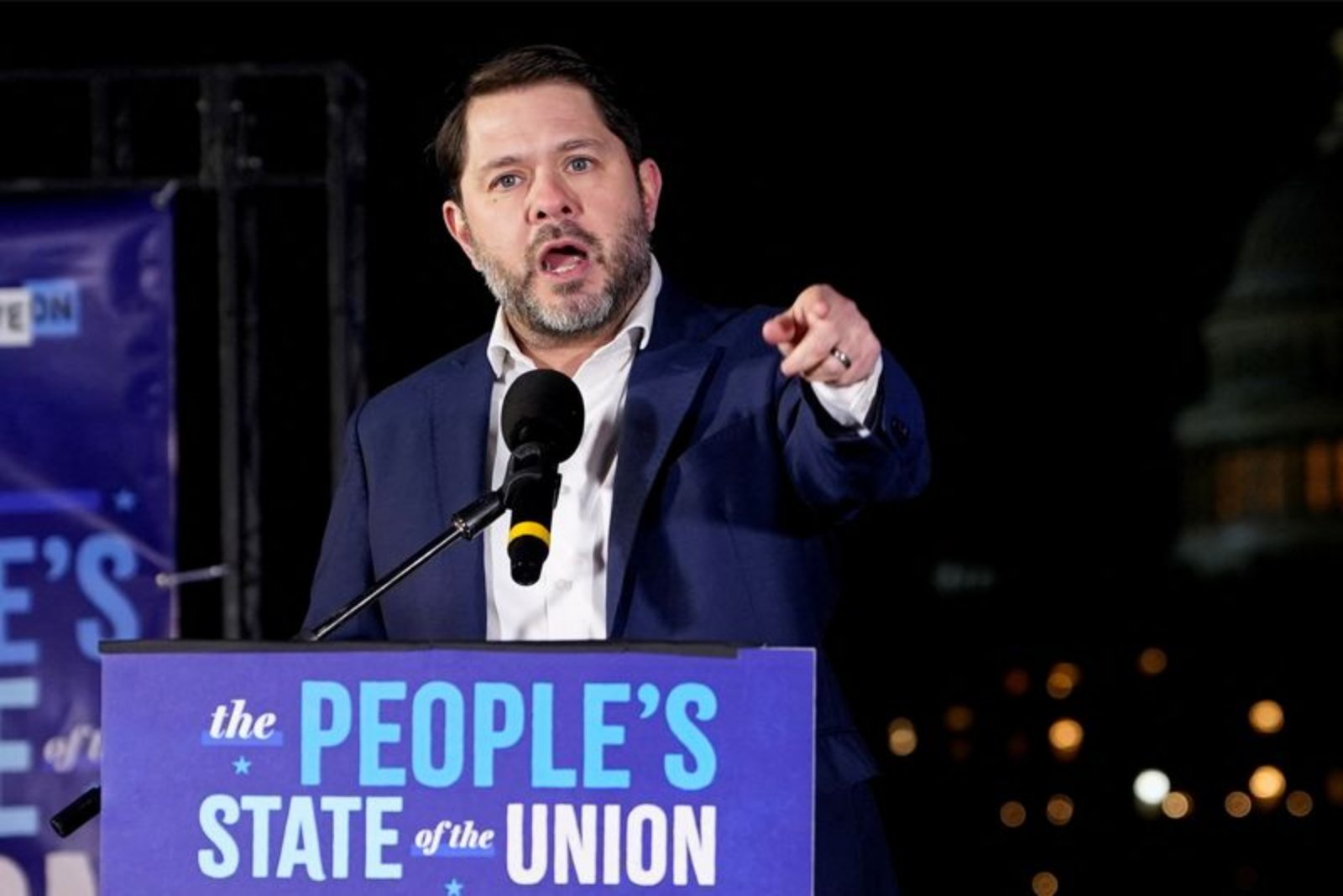
A U.S. senator is pressing the administration to revisit the North American trade agreement to prevent Chinese-owned factories in Mexico from becoming a channel for goods entering the United States. In a written appeal to the president and the U.S. trade representative, the lawmaker said the USMCA needs stronger rules of origin to stop government-backed Chinese companies from exploiting the agreement as a "back door" into the U.S. market.
The letter, directed to President Donald Trump and Trade Representative Jamieson Greer, warns that growing Chinese exports to Mexico and Chinese firms' direct investment in that country "raises the possibility of another China shock occurring in the United States via goods entering through the Southern border." The senator called on USTR and the president to use the upcoming review of the U.S.-Mexico-Canada Agreement to shore up those safeguards.
As part of his recommendations, the senator urged negotiators to press for a minimum wage in Mexico's manufacturing sector. He contrasted average pay for auto workers in Mexico at $5.70 per hour with $35.30 per hour in the United States, arguing that a wage floor would give Mexican workers greater financial stability and help address what he described as a root cause of illegal migration to the United States.
The lawmaker, who supported the USMCA when voting as a member of the House in December 2019, said certain provisions of the pact have not produced their intended results and require tightening. He specifically cited the $16-per-hour labor value content requirement that applies to certain automotive components as one provision that has fallen short of expectations.
In addition to changes to the trade agreement, the senator called for restoration of agreements by the Department of Labor's Bureau of International Labor Affairs that were curtailed under the previous administration. He said reviving those cooperative labor arrangements would help strengthen labor standards in Mexico.
The letter arrives as USTR's Greer and Mexican Economy Minister Marcelo Ebrard prepare to begin formal negotiations next week on the six-year review that the USMCA mandates. A USTR spokesperson did not immediately respond to requests for comment.
Greer has previously flagged concerns about Chinese investment in factories in Mexico and other countries when China has expanding excess manufacturing capacity at home, particularly in the steel and automotive sectors. That issue is central to a new unfair trade practices probe announced by USTR on Wednesday, which focuses on excess capacity in China and 15 other U.S. trading partners. The investigation is aimed in part at rebuilding the administration's tariff leverage following a Supreme Court setback.
Context and implications
The senator's appeals combine trade-policy adjustments with labor-market interventions. Strengthened rules of origin would be intended to prevent goods produced under the influence or with the support of foreign state-owned entities from entering the U.S. under preferential terms. A Mexican wage floor, meanwhile, is presented as a mechanism to reduce migration pressure and to align labor costs more closely with U.S. standards.
Negotiations next week between USTR and Mexican officials will test how far the parties will go in revising the pact's commitments and enforcement mechanisms. At the same time, the USTR's new investigation into excess capacity highlights the administration's broader effort to address trade frictions tied to global industrial overcapacity.