
Intelligence material reviewed by U.S. federal and state officials and by FIFA has raised concerns that extremists and criminal groups could seek to target the World Cup as the tournament approaches, even as distribution of $625 million in federal security grants intended to support the event was held up for months, delaying preparations across host jurisdictions.
The previously unreported briefings describe both the risk of extremist attacks - including on transportation infrastructure - and the possibility of civil unrest tied to immigration enforcement actions. They paint a picture of heightened vulnerability at a moment when U.S. law enforcement agencies say they are already operating under elevated alert levels.
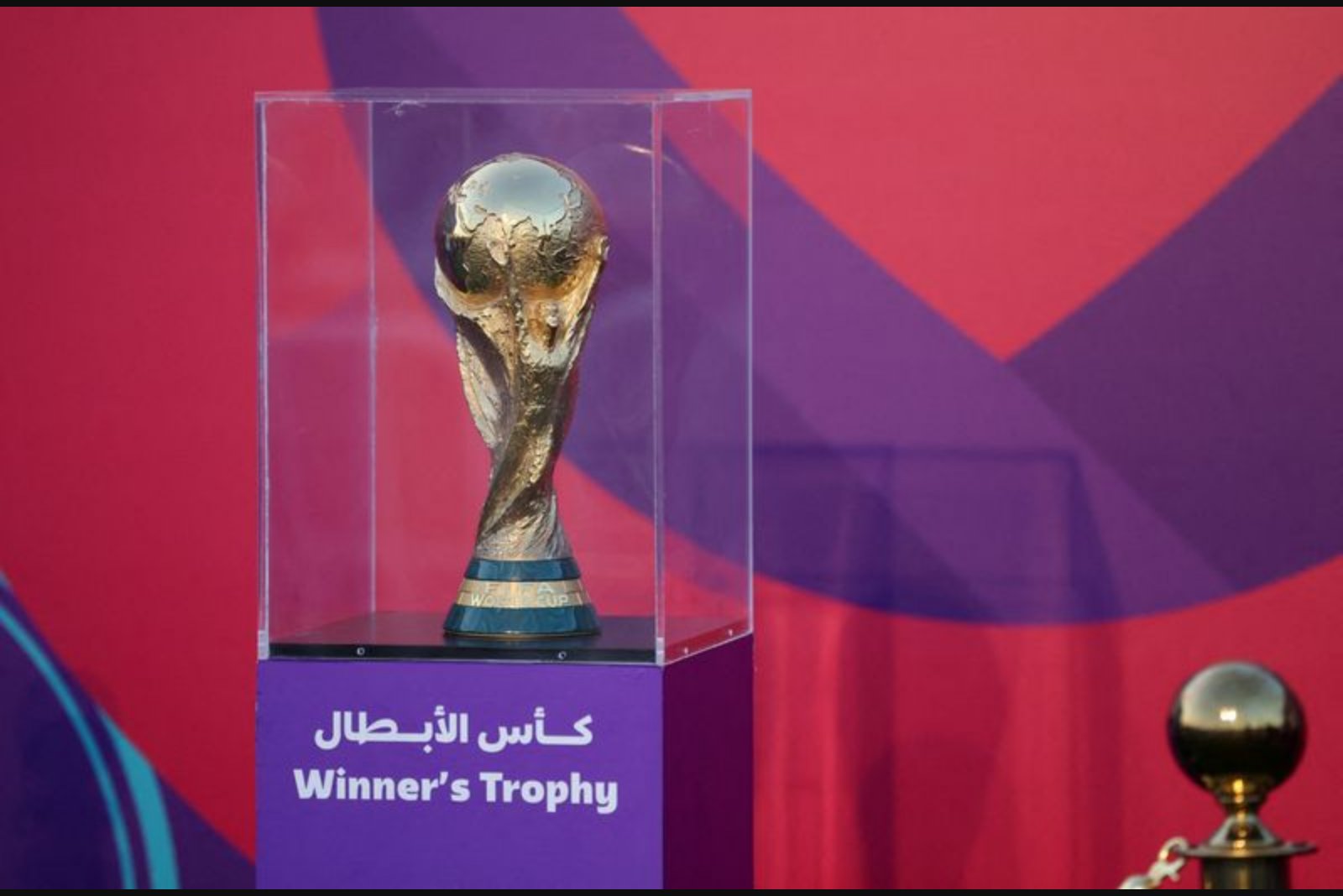
The World Cup is scheduled to take place in June and July across three countries: the United States, Canada and Mexico. The first matches are set to kick off in Mexico on June 11, with games in the U.S. and Canada beginning the following day. While major sporting events typically carry robust security planning, officials say the build-up to this World Cup is complicated by recent geopolitical and domestic factors.
U.S. law enforcement sources say they have been on especially high alert since the start of the war on Iran and have raised concerns about threats of retaliation. Those external security pressures intersect with concerns raised in intelligence reports about domestic radicalization, disrupted plots and the spread of extremist propaganda.
Compounding those warnings, officials involved in organizing the U.S. leg of the tournament signaled alarm in recent weeks over a stalled $625 million in federal security grants that had been included in a Republican-backed spending bill passed in July 2025. The Federal Emergency Management Agency, which was responsible for distributing that funding, had in November said it expected to allocate the grants no later than January 30. After inquiries this month prompted renewed attention from officials and organizers who said they had still received nothing, FEMA announced on Wednesday that it had awarded the grants, saying the funding would "bolster security preparations." FEMA is the agency tasked with distributing the money.
States and cities hosting matches are deep into operational planning for the tournament, including protocols to guard against possible attacks and handle large-scale public gatherings. Multiple officials involved in preparations told officials that the delayed funding and the intelligence warnings have worsened an already complex process.
Mike Sena, president of the National Fusion Center Association - which represents a network of 80 information centers that facilitate federal, state and local intelligence sharing - said the usual timelines for grant distribution and procurement leave little margin for delay. "It will be extremely tight," he said, noting that the grant distribution process normally takes months and that acquiring technology and equipment can require even more time.
Intelligence assessments at the state level add specificity to the concerns. A December 2025 intelligence report from New Jersey, where the tournament final will be played, highlighted a pattern of recent domestic attacks, disrupted terror plots and an increase in extremist propaganda. That report also noted the possibility of spontaneous gatherings tied to tensions between countries, which could create unpredictable public-safety challenges.
An earlier intelligence document, dated September 2025, flagged an online post that appeared to encourage attacks on railroad infrastructure during the World Cup, saying there were "plenty of opportunities for us to knock it off the tracks" and specifically drawing attention to matches on the U.S. and Canadian West Coast. Those documents were obtained through open records requests by the transparency nonprofit Property of the People.
Political disputes over the timing of funds
Democrats have singled out outgoing Department of Homeland Security Secretary Kristi Noem for withholding the release of the money. Under Ms. Noem's leadership, DHS also held back hundreds of millions of dollars in homeland security funding last year from a dozen Democratic-led states and from Washington, D.C., while urging those jurisdictions to increase immigration enforcement.
In response to a request for comment, White House spokesman Davis Ingle blamed Democrats for the delay, citing disagreements over immigration enforcement tactics. "The president is focused on making this the greatest World Cup ever while ensuring it is the safest and most secure in history," Mr. Ingle said in a statement. "The Democrats need to stop playing games."
The political backdrop includes an immigration enforcement approach under President Donald Trump that has raised concerns among some officials and local leaders about the presence of U.S. Immigration and Customs Enforcement (ICE) personnel at event sites and in host cities. Since Mr. Trump took office in January 2025, masked immigration agents have been reported rounding up suspected immigration offenders in U.S. cities and detaining some tourists at airports.
Those enforcement actions have coincided with a drop in overall international visitors, according to U.S. Commerce Department data, though early indicators have suggested continued strong demand for flight bookings and tournament tickets.
Analysts at FIFA cautioned about the risks posed by anti-ICE activism in urban areas. In a FIFA weekly intelligence briefing dated January 28, officials warned that protests and activism against immigration enforcement could lower barriers "to hostile actions by lone actors or extremist elements."
Travel restrictions have also complicated the landscape. The administration has placed full or partial travel bans on nationals of more than three dozen countries, including Iran; Iran is reported to be in talks with FIFA to move its matches to Mexico because of its current conflict with the United States. Three other nations whose supporters face U.S. travel bans - Haiti, Ivory Coast and Senegal - have also qualified for the tournament.
Public gatherings, fan zones and local decisions
Several World Cup and state officials have identified "FIFA Fan Festival" events as specific security pressure points. Those festivals enable large numbers of fans to watch matches together on open-air screens in central public spaces.
One planned Fan Festival at Liberty State Park in Jersey City that had been intended to run for the duration of the tournament was canceled unexpectedly last month and replaced with a series of smaller gatherings. New Jersey Governor Mikie Sherrill said the choice to hold many smaller events would allow more people in the area to experience the tournament, and a person familiar with the planning said security concerns had also been a factor in that decision.
For local leaders in host regions, the scale of the tournament presents an unprecedented operational challenge. U.S. Representative Nellie Pou, whose district in New Jersey includes MetLife Stadium - one of the World Cup sites - likened each of the tournament's 104 matches to a Super Bowl. "Local government, local law enforcement, will certainly have their hands full," she said. "They need every single dollar that they are eligible to receive, and they need it now."
Operational implications and timelines
Officials warn that even with FEMA's announcement that the grants have been awarded, the timing of distribution matters because the sequence of planning, equipment procurement and training typically requires sustained lead time. Investments in technology, surveillance, transportation safeguards and other security infrastructure often cannot be completed on accelerated schedules without affecting deployment quality and operational readiness.
The combination of elevated threat reporting, the political dispute over grant timing and the logistical demands of preparing for more than 100 large-scale matches across three countries has produced a constrained planning environment for federal, state and local authorities. That constraint, officials argue, could complicate the ability of host jurisdictions to implement layered security plans the way they would under a normal funding and procurement timeline.
As the tournament nears, the interplay of intelligence warnings and the distribution of federal resources will remain central to how preparations proceed in host cities and states.