
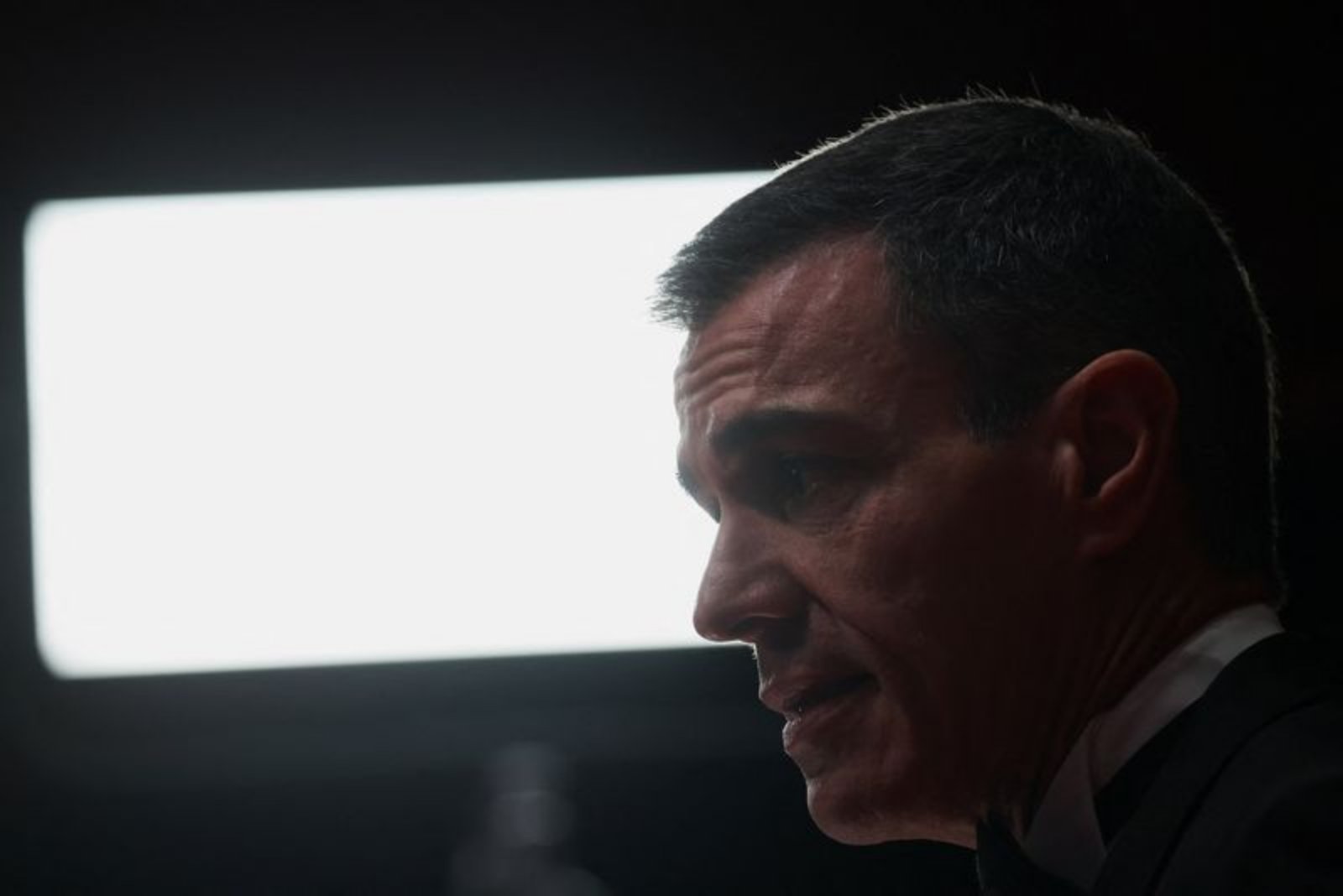
MADRID, March 4 - Spanish Prime Minister Pedro Sanchez on Wednesday restated his rejection of the attack on Iran by the United States and Israel, warning that the conflict risked placing millions of lives in danger.
Speaking in a televised address, Sanchez said the confrontation had the potential to trigger large-scale human catastrophe. "This is how humanity’s great disasters start ... You cannot play Russian roulette with destiny of millions," he said.
The exchange of sharp words between Madrid and Washington intensified after Sanchez publicly criticised the U.S. and Israeli bombings of Iran as reckless and illegal. In response to the offensive, Spain later prohibited U.S. aircraft from using specific naval and air bases in southern Spain to support actions against Tehran.
Sanchez emphasised that Spain would not resort to war and bombs to resolve international problems. He distilled his government’s position into a short slogan: "The position of the Spanish government can be summarised in four words: 'No to the war.'" He said the posture was consistent and sincere.
Addressing what appeared to be a direct reference to threats from the U.S. administration, Sanchez said: "We’re not going to be complicit in something that’s bad for the world nor contrary to our values and interests simply to avoid reprisals from someone."
To illustrate his concerns about the broader consequences of the attack on Iran, Sanchez pointed to effects he associated with the Iraq war, noting a rise in jihadist terrorism and sharply higher energy prices. He argued that the outcomes of this new offensive were similarly unclear and that it would not necessarily produce a fairer international order.
The dispute has created strains between two NATO allies, prompting debate over military cooperation and diplomatic relations as well as potential economic consequences tied to trade and energy markets. Sanchez framed Spain’s response as both a defence of principles and a precaution against unpredictable fallout from further military escalation.
Summary
Spanish Prime Minister Pedro Sanchez condemned the U.S. and Israeli attack on Iran, described its risks as akin to "Russian roulette" with millions of lives, banned U.S. aircraft from certain Spanish bases for operations against Tehran, and said Spain would not bow to reprisal threats, including trade sanctions, from the United States.