
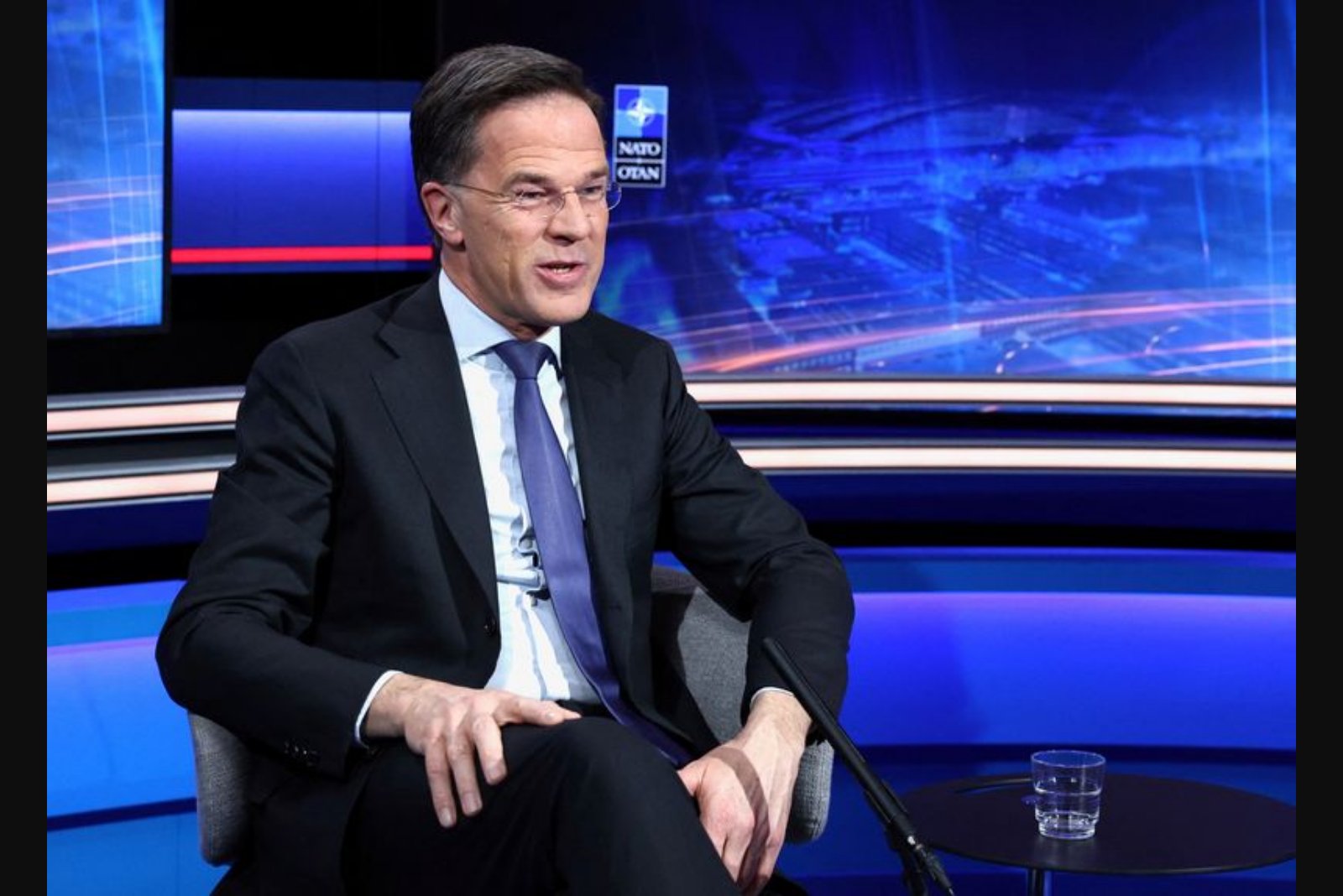
On March 5, NATO Secretary General Mark Rutte expressed support for French President Emmanuel Macron’s announcement to broaden France’s nuclear deterrent, but he also reiterated that the United States’ nuclear umbrella is the fundamental guarantor of European security.
Macron has said France will expand its nuclear arsenal and may permit European partners to host French warplanes on deterrence missions. Those moves, announced this week, followed concerns among NATO allies about the reliability of the United States as a security partner.
Rutte welcomed Macron’s revision of French nuclear doctrine, saying it would complicate any Russian assessment of European deterrence and defense capabilities. He also backed discussions between Paris and several European capitals on closer nuclear cooperation.
At the same time, Rutte sought to dispel doubts about Washington’s role. He told Reuters: "The ultimate, supreme guarantor of our way of life ... is, in the end, the United States’ nuclear umbrella, and that is key."
Macron, speaking at a submarine base, said the revision of France’s nuclear doctrine had been carried out in consultation with Washington and framed the changes as complementary to NATO’s nuclear mission. He indicated France and Germany have set up a nuclear steering group to address deterrence matters and that concrete cooperation would begin this year.
Macron also listed a number of other NATO and partner states that could take part in French nuclear wargames: Greece, Poland, the Netherlands, Belgium, Denmark and Sweden.
The American administration led by President Trump has, at times over the past 14 months, expressed sharp criticism of Europe’s willingness and capability to defend itself. In comments that were mistakenly shared ahead of strikes on Yemen’s Iran-aligned Houthis last year, a person identified as Vice President JD Vance wrote, "I just hate bailing out Europe," and a second official identified as U.S. Defense Secretary Pete Hegseth criticized what he termed European "free-loading."
Those tensions prompted European NATO members to increase their military spending commitments under pressure from Washington. A separate diplomatic standoff over Greenland earlier this year added to uncertainties among some European officials about U.S. commitments to allied defense.
Despite those episodes, Rutte told Reuters he retained confidence in the United States’ role in NATO. "I’m absolutely convinced the U.S. is completely committed to NATO," he said. "The United States knows that to stay safe itself (on) the U.S. mainland, you need a secure Atlantic, a secure Europe, a secure Arctic."
Background details presented here reflect statements by Macron and Rutte and reported exchanges involving U.S. administration officials; the reporting notes ongoing plans for bilateral and multilateral coordination on nuclear deterrence but does not provide a timeline beyond the indication that Franco-German cooperation will begin this year.