
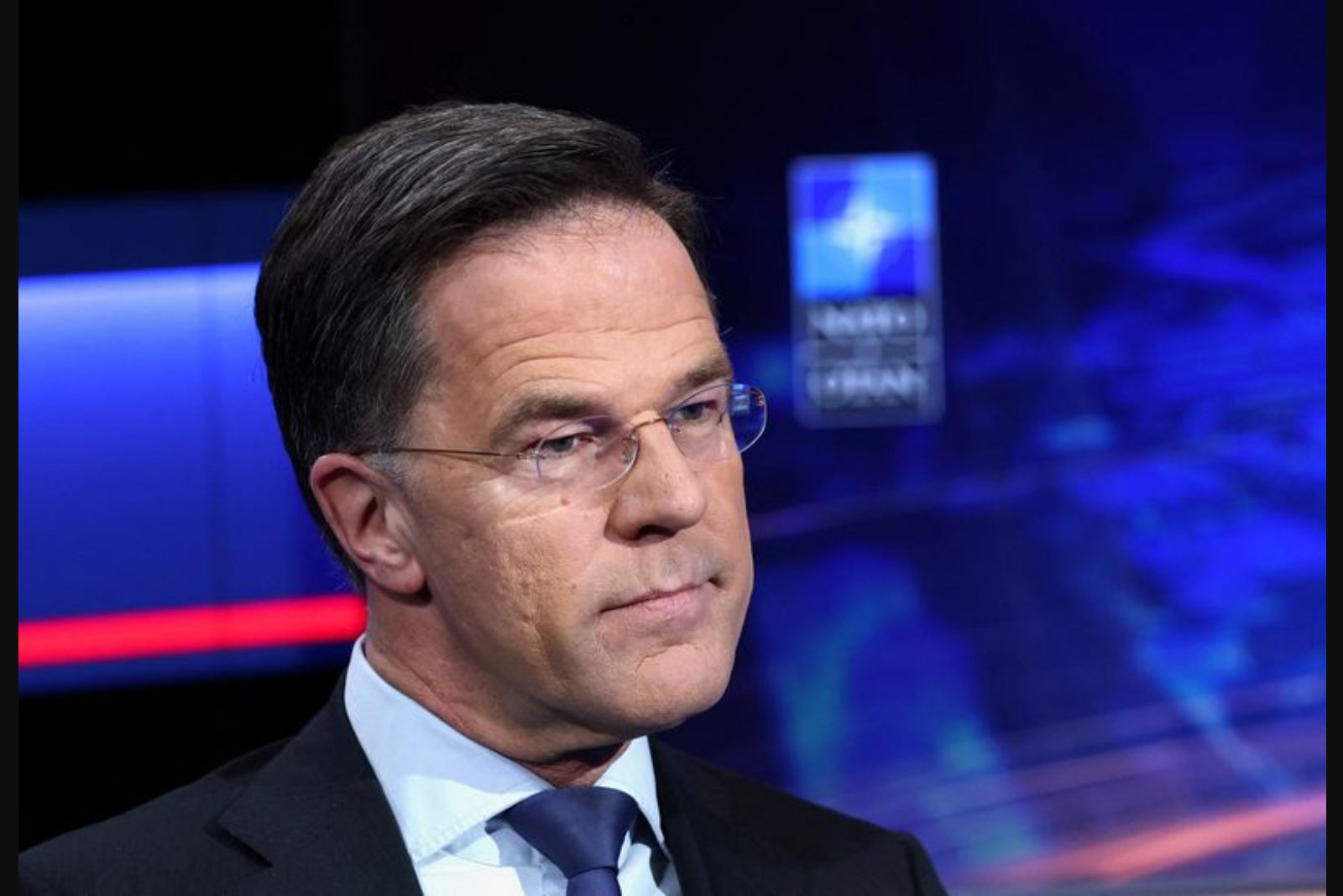
BRUSSELS, March 5 - NATO Secretary General Mark Rutte said on Thursday that the alliance was vigilant and prepared to defend every inch of its territory after Iran fired a ballistic missile toward NATO member Turkey. He described the interception of the missile as both significant and condemnable, and used the episode to underscore NATO’s 360-degree defence posture.
Intercept and immediate response
Rutte noted that NATO’s air and missile defence systems were able to shoot down the projectile. He said the interception was "very important" and presented clear evidence that the alliance maintains a comprehensive defensive posture. "Our military are constantly on it," he said, while also stressing that the event was "serious and absolutely condemnable."
On the possibility of Article 5 being invoked
Asked whether the missile incident risked drawing NATO into a wider Middle East conflict, Rutte said that Article 5 was not applicable in this situation and that there was no discussion of invoking it. He added that the episode had demonstrated to adversaries that NATO remains strong and vigilant, and that the alliance had been "even more vigilant, if possible, since Saturday" given ongoing regional developments.
On recent U.S. military action against Iran
Rutte reiterated concern about Iran moving toward capabilities that could pose a nuclear or missile threat. He said such capabilities would threaten not only the Middle East and Israel but also potentially Europe. He emphasized that NATO itself was not the actor undertaking strikes, while noting that allies were providing key enabling support. In his words, NATO functions as "this power protection projection platform for the United States," and without European allies, the United States would have found it much harder to conduct the campaign against Iran.
On the objectives of the United States and Israel in relation to Iran, Rutte said there was broad agreement on the need to ensure Iran is not again able to pose a lethal threat to its neighbours, to Israel, to the broader Middle East, or to Europe. From conversations with senior American military and political leaders, he said he was confident they "know where they are going."
Connections to the Russia-Ukraine conflict
Rutte pointed to Iran as one of the key backers of Russia’s war effort against Ukraine, describing the Russian campaign as "totally unprovoked" and noting the conflict’s escalation from 2014 to a full-scale invasion in February 2022. He said Ukrainian forces had, in recent weeks, begun to recapture territory previously taken by Russian forces and that this was "really good news." Rutte added that Ukrainians were inflicting heavy losses on Russian forces, characterizing those losses as many times greater than Soviet-era losses in Afghanistan in the 1980s.
On criticism that he flatters the U.S. president
Responding to criticism that he overly praises U.S. President Donald Trump, Rutte argued that the United States remains NATO’s most powerful and essential ally. He pointed to recent increases in defence spending and a collective agreement at The Hague as outcomes he attributed in part to U.S. leadership. He said that if the U.S. president can secure such commitments from allies and then take decisive action to neutralize an Iranian capability, some praise is appropriate.
Allied contributions and internal debates
Rutte drew attention to Spain’s active role across NATO deployments, commending Spanish troops who participate in forward land forces and other missions. He specifically noted the presence of a Spanish Patriot system in Turkey defending key American interests. While acknowledging ongoing discussions about defence spending among allies, he emphasized that NATO is an alliance of democracies and that debates between allies are to be expected, adding that he generally aims to remain measured in such exchanges.
France’s nuclear doctrine
Turning to comments by France’s president on nuclear deterrence, Rutte welcomed the shift as a leveraging of French capabilities. At the same time, he reiterated what he called a shared view among allies: the ultimate guarantor of the alliance’s way of life remains the United States and its nuclear umbrella. He said he was "absolutely convinced the U.S. is completely committed to NATO."
This interview covered the alliance’s immediate defensive actions, the question of alliance obligations under Article 5, the role of NATO in enabling U.S. operations, Iran’s connections to other conflicts, internal debates on spending and contributions by member states, and the balance between national nuclear postures and collective deterrence.