
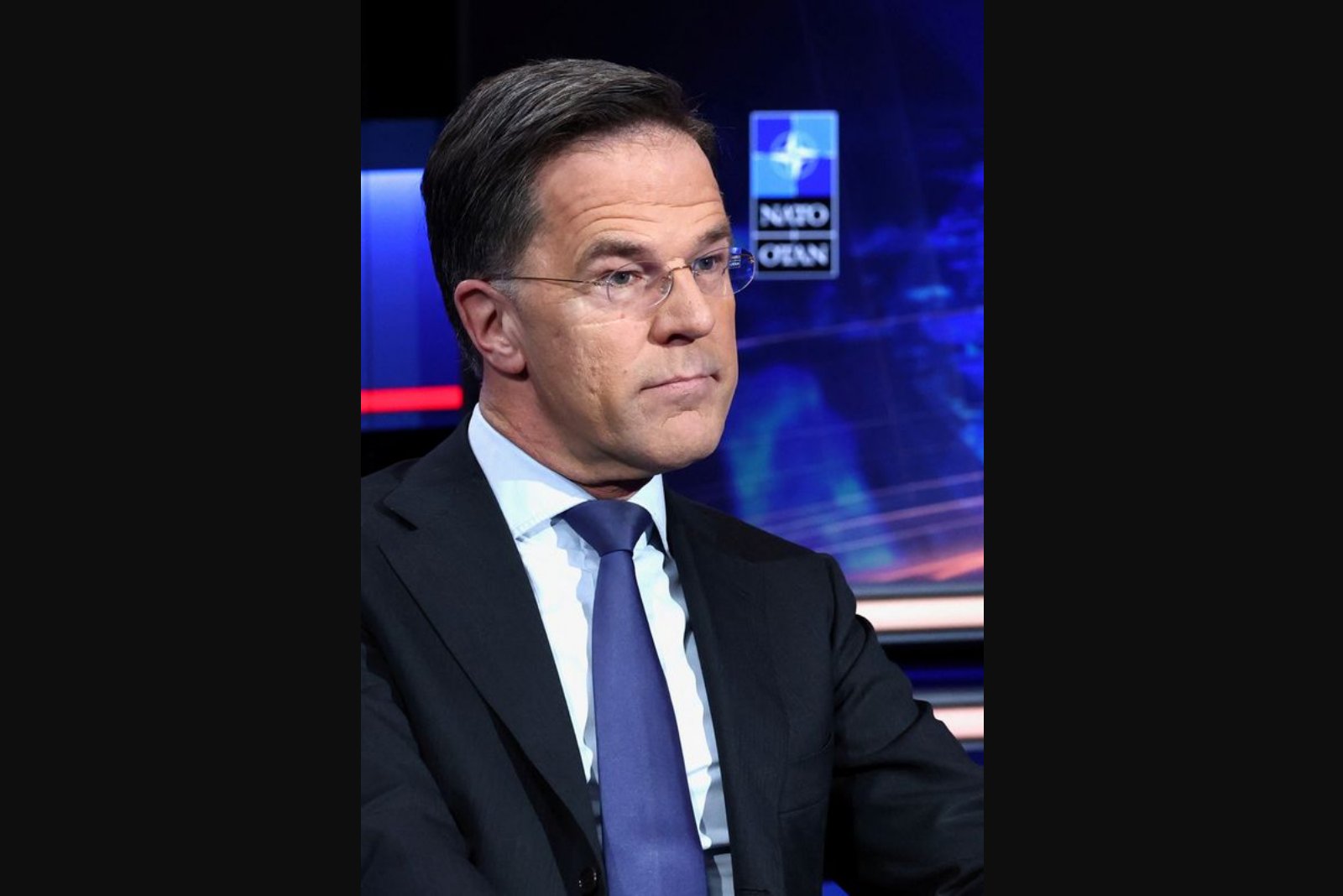
NATO Secretary-General Mark Rutte acknowledged on Thursday that he is mindful of criticism suggesting he sometimes lavishes excessive praise on U.S. President Donald Trump, but he stood by the compliments, saying the U.S. president had earned them through actions that benefited the alliance.
Speaking at NATO headquarters in Brussels, Rutte said: "I hear the criticism, obviously. I’m not deaf." The comment came amid debate within the alliance over whether his outspoken support for Trump - a relationship that helped secure Rutte the top job at NATO, according to officials - diminishes European agency or simply reflects a pragmatic effort to hold the alliance together despite the U.S. president’s earlier criticisms of NATO and individual members.
Rutte’s public praise of Trump has drawn attention before. At a NATO summit last year he famously likened Trump to a "daddy" stepping in during the Israel-Iran confrontation. More recently he has strongly backed a new U.S.-Israeli military action against Iran, even as leaders from some NATO countries, including Spain and Turkey, have voiced criticism or withheld endorsement.
On the U.S.-Israeli operation, Rutte described the move as "decisive action to take out this capability of Iran to pose a threat as an exporter of terrorism and chaos to the Middle East, to Europe, to the world." He said such leadership warranted recognition: "I think if a president of a country is ... providing that type of leadership, some praise is warranted."
Rutte pointed to a concrete outcome of U.S. influence within NATO last year - a newly agreed spending target that raises the alliance-wide benchmark to 5% of GDP. He explained that the figure is split between 3.5% on core defence and 1.5% on broader security-related expenditures. The previous target had been set at 2% of GDP on core defence.
At the same time Rutte sought to temper tensions between allies over another dispute: Spain’s refusal to permit U.S. military bases on its soil to be used in the U.S.-Israeli operation against Iran. The disagreement has escalated, with President Trump threatening a full U.S. trade embargo on Spain and publicly criticizing Madrid for not signing up to the 5% spending target.
Rutte offered explicit praise for Spain’s broader contributions to NATO operations, noting the country’s troops participate in numerous foreign land forces and NATO initiatives. "Their troops are part of many foreign land forces, many initiatives, many NATO missions. I really want to commend them for that," he said.
When asked whether he had intervened directly to de-escalate the row between Trump and Spanish Prime Minister Pedro Sanchez, Rutte described his approach to disputes between allies as deliberately restrained. "When there are debates between allies, I always try to stay a bit muted, and therefore being able, if necessary, to help a bit," he said.
Rutte’s comments highlight the tension between cultivating strong relationships with powerful allies and preserving the appearance of balanced leadership among NATO members. They also underscore how shifts in U.S. policy can influence alliance spending priorities and bilateral relations among member states.