
World February 26, 2026

Russian Authorities Plan Early April Block on Telegram, Sources Say

Officials move to restrict the messaging app, sparking pushback from Telegram and raising concerns about access for troops and journalists

By Hana Yamamoto
Russian Authorities Plan Early April Block on Telegram, Sources Say

Russian authorities have set an early April timetable to block the Telegram messaging application, according to a report from RBC. The government says the app enables illegal and extremist content, a charge Telegram denies, arguing the move seeks to drive users toward a new state-run messenger called MAX. Sources indicate the app may remain reachable only at front-line locations in Ukraine by April, where military personnel, correspondents and politicians reportedly rely on it for family contact and operational communications.

Key Points

  • Russian authorities have set an early April timeline to block the Telegram messaging app, according to RBC.
  • Officials say Telegram permits illegal and extremist content; Telegram denies this and says the restriction aims to shift users to MAX, a state-run messenger.
  • Sources report that by April Telegram may only be reachable on the front lines in Ukraine, where troops, correspondents and politicians reportedly rely on it for family and operational communications.

Russian authorities have established an early April timeframe to implement a block on the Telegram messaging platform, RBC reported on Thursday. The restriction, if enacted as outlined by officials, would curtail widespread public and private use of the app across Russia.

Authorities assert Telegram is being used to distribute illegal and extremist material. Telegram has rejected those assertions, countering that the move is intended to compel users to switch to MAX, a state-operated messaging service.

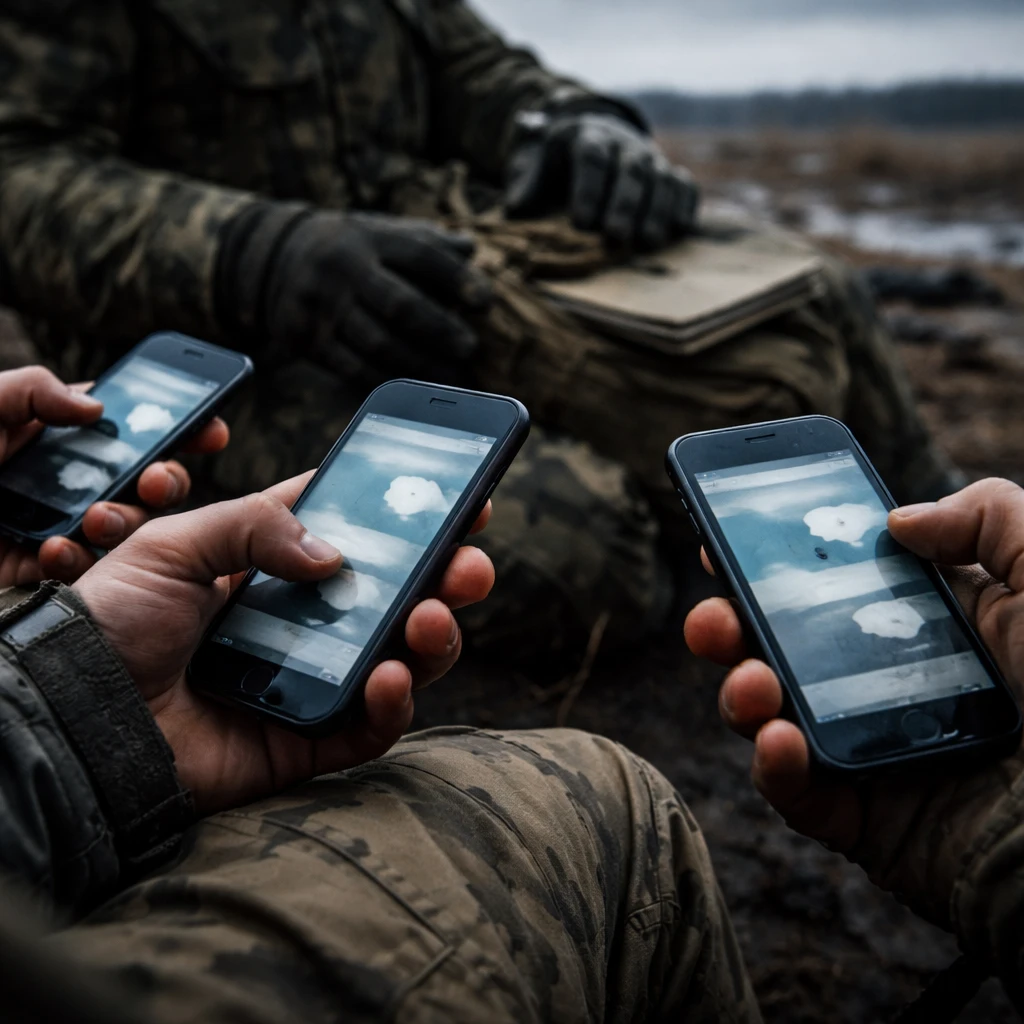
According to RBC, the planned limitations are expected to leave Telegram accessible only on the front lines of the war in Ukraine by April. Military sources, war correspondents and politicians have described a strong reliance on the app by Russian troops. They say servicemembers use Telegram both to communicate with relatives back in Russia and for operational purposes.

The public exchange of accusations and denials highlights a standoff over control of a platform that many in Russia use for routine conversation and information sharing. Telegram's rejection frames the proposed restrictions as part of a broader effort to steer users toward government-managed communications infrastructure, specifically naming MAX as the alternative the state favors.

The planned timing - early April - sets a near-term horizon for the change in accessibility. Reporting indicates that, beyond that point, access may be geographically constrained, with frontline locations remaining as the primary areas where Telegram could still be used.


Context limitations - The reporting referenced here is based on the account attributed to RBC and statements from Telegram and unnamed military sources, war correspondents and politicians. The information reflects those claims and the timeframe they describe.

Risks

  • Loss of widespread access to a major messaging platform in Russia - impacts communications and information flow across civilian and media sectors.
  • Potential reduction in frontline communications channels available to military personnel and war correspondents - impacts defense and media sectors.
  • Shift of users toward a state-run messenger (MAX) if restrictions are enforced - impacts technology and communications markets within Russia.

More from World

U.N. Special Rapporteur on Palestinian Territories Condemns 'Toxic' Campaign Amid Calls for Resignation Feb 26, 2026 Denmark to Vote on March 24 as PM Leans on Greenland Standoff to Strengthen Support Feb 26, 2026 U.S. Treasury Seeks to Cut Swiss Bank MBaer from U.S. Financial System Over Alleged Ties to Iran and Russia Feb 26, 2026 UN: Taliban Decree Widens Scope for Executions and Institutionalizes Harsh Punishments Feb 26, 2026 Ecuador Lifts Tariffs on Colombian Imports to 50% Amid Border Security Dispute Feb 26, 2026