
Summary
Russia has announced it will keep to the limits on strategic missiles and warheads that were prescribed by the 2010 New START treaty, which formally lapsed on February 5, on the condition that the United States continues to respect those same limits. The declaration from the Russian foreign ministry underscores Moscow’s intention to hold to a self-imposed moratorium for now, while highlighting the uncertainty that has followed the treaty’s expiry.
Details of Moscow’s Position
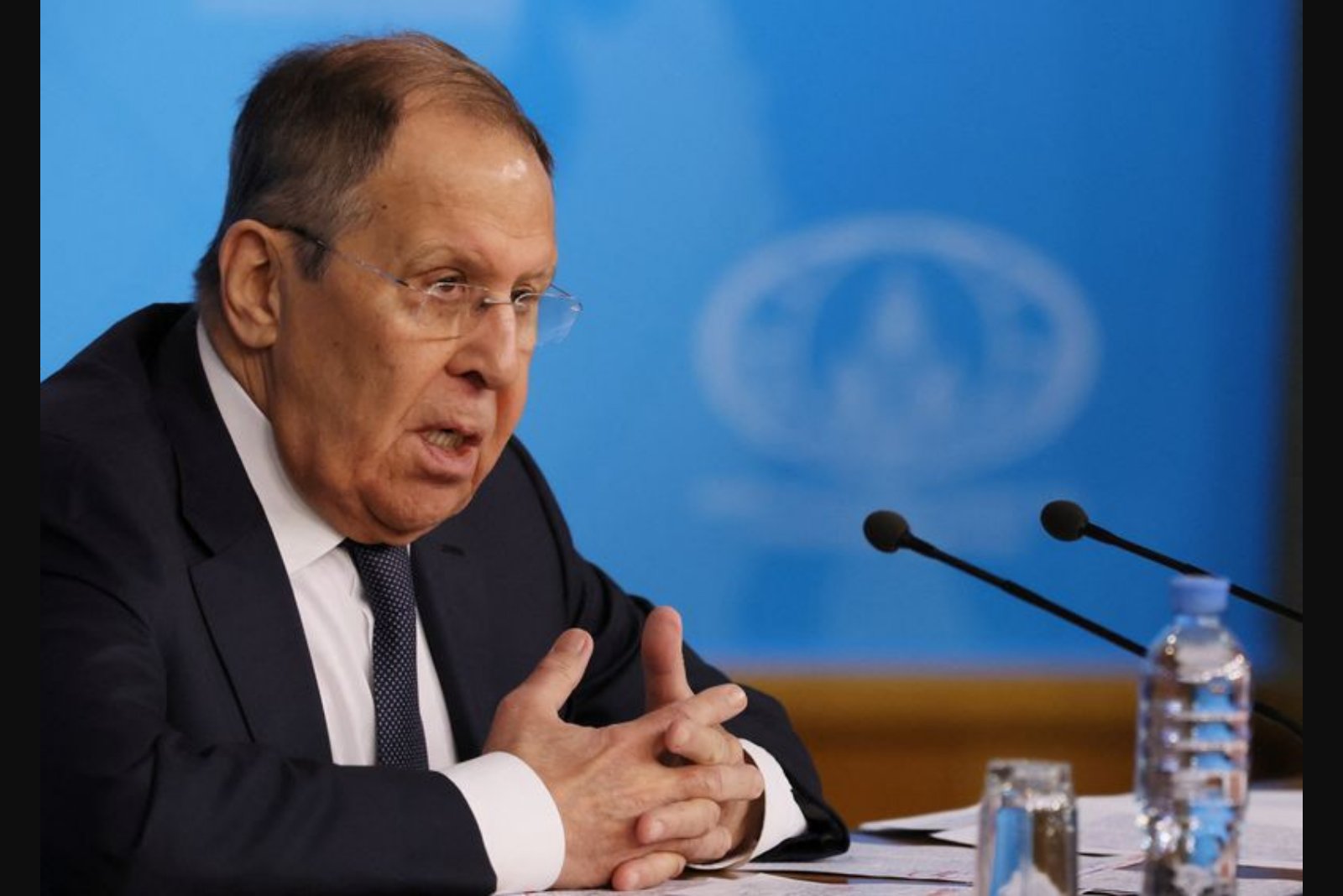
Foreign Minister Sergei Lavrov told the State Duma that Russia will continue to observe the missile and warhead ceilings established under the New START agreement so long as Washington reciprocates. The 2010 treaty expired last week, removing binding constraints on the two largest nuclear arsenals for the first time in more than half a century.
Lavrov reiterated that a moratorium announced by the Russian president remains active - conditioned explicitly on U.S. compliance. In parliament he said:
"Our position is that this moratorium on our side that was declared by the president is still in place, but only as long as the United States doesn’t exceed the said limits."
Context and Reactions Noted
The treaty’s expiry has prompted worries that the removal of legal caps could lead to a broader arms competition that would include China - a country that currently fields far fewer warheads than either the United States or Russia but which is expanding its capabilities. Separately, analysts cited in the public discussion argue that Russia may also seek to avoid the financial burden of entering such a contest while its budget remains under pressure from its four-year military campaign in Ukraine.
The Kremlin’s decision to condition continued adherence on U.S. behavior follows a Moscow proposal for a voluntary one-year extension of the treaty limits, a proposal the U.S. president chose not to accept. That refusal leaves the two countries without a binding framework governing strategic nuclear limits at present.
What Remains Uncertain
At present, Russia’s moratorium is tied to U.S. restraint rather than to any renewed, binding agreement. How Washington will respond over time, and whether Beijing’s growing arsenal will influence longer-term policy choices by any party, remains a subject of public concern and debate.