
Overview
U.S. Secretary of State Marco Rubio will begin a two-day visit on Sunday to Slovakia and Hungary aimed at reinforcing bilateral relations with two conservative governments that maintain friendly ties with President Donald Trump. The State Department said the trip will include discussions on energy cooperation, NATO commitments and other bilateral issues.
Itinerary and purpose
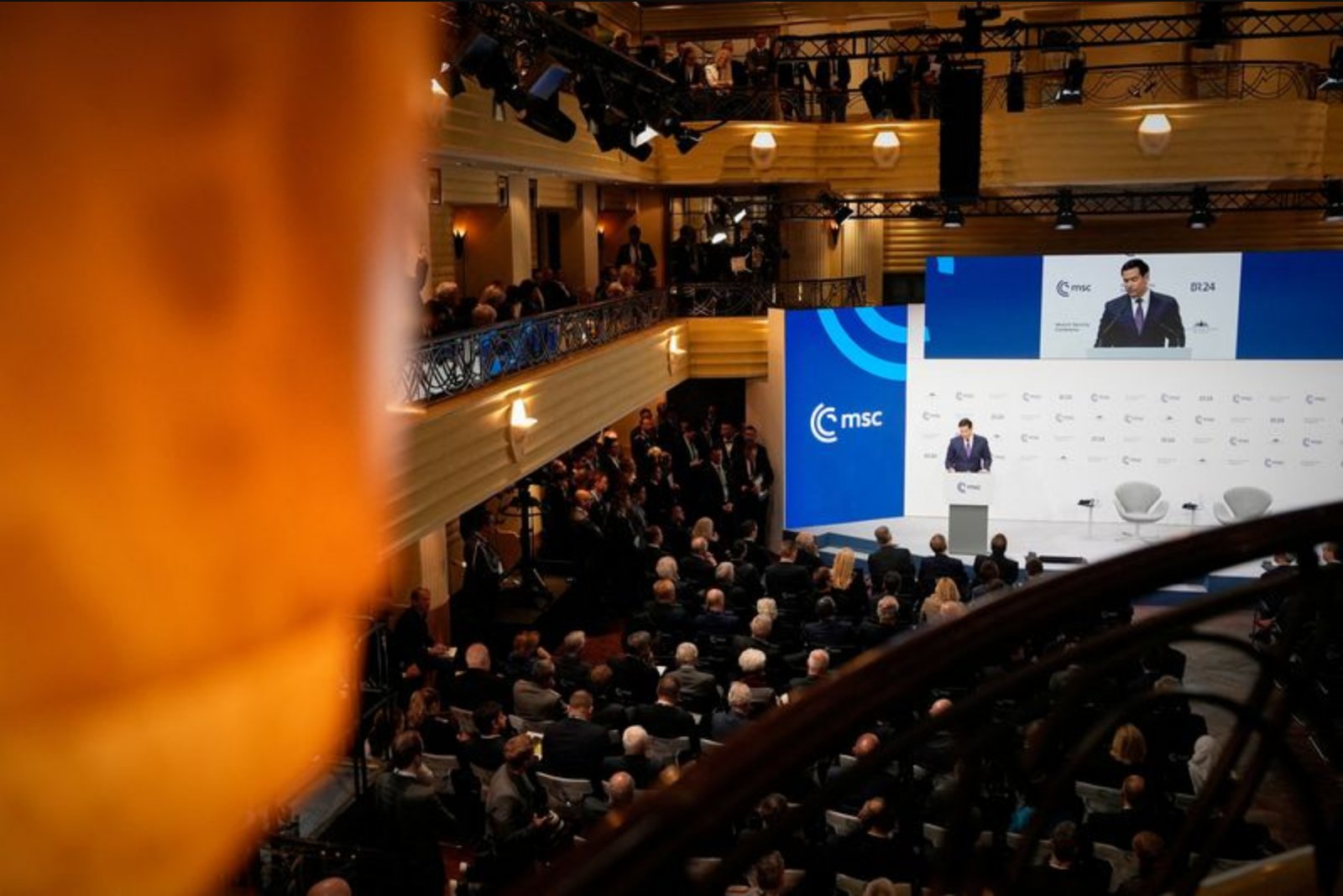
Rubio will meet Slovak Prime Minister Robert Fico in Bratislava on Sunday. Fico recently visited President Trump in Florida, and Rubio remarked before departing for Europe that "These are countries that are very strong with us, very cooperative with the United States, work very closely with us, and it’s a good opportunity to go see them and two countries I’ve never been in." The U.S. secretary's trip follows his participation in the Munich Security Conference over the last few days.
On Monday, Rubio is scheduled to meet Hungarian leader Viktor Orban. The planned engagement with Hungary comes as Orban faces an uphill challenge in polls ahead of an April election, where he may lose power. Rubio said, "The President said he’s very supportive of him, and so are we," adding, "But obviously we were going to do that visit as a bilateral visit."
Political context
Both Fico and Orban have at times been at odds with European Union institutions, facing probes related to democratic backsliding. They have kept diplomatic and economic ties with Moscow, have criticized and at times delayed EU sanctions on Russia, and have opposed sending military aid to Ukraine. These stances distinguish them from many other EU members that sought alternative energy sources and increased military support for Kyiv following Moscow's 2022 invasion of Ukraine.
Unlike some EU countries that shifted away from Russian supplies, Slovakia and Hungary have continued to purchase Russian gas and oil, a practice that the United States has criticized. Rubio indicated energy procurement and these broader questions would be part of discussions during his visit, but he did not provide specifics in his pre-departure comments.
Domestic positioning and alliances
Orban is seen by many on the American hard-right as a model for firm immigration policies and support for family-oriented and Christian conservative measures. Budapest has hosted Conservative Political Action Conference events in the past and is scheduled to host another in March.
Fico has been openly critical of the European Union, describing it as an institution in "deep crisis" and offering effusive praise for Trump, saying the U.S. president would bring peace back to Europe. At the same time, Fico publicly criticized the U.S. capture of Venezuelan President Nicolas Maduro in early January.
Defense spending and NATO commitments
On NATO spending, both Hungary and Slovakia have met NATO's minimum guideline of 2% of GDP for defense outlays. Fico has resisted increasing Slovakia's defense expenditure above that threshold for the time being, despite President Trump repeatedly urging NATO members to raise military spending to 5% of GDP. Hungary has also budgeted for 2% defense spending in the current year's budget.
Energy and nuclear cooperation
Energy cooperation will be a central theme of the talks. Slovakia last month signed a nuclear cooperation agreement with the United States, and Fico has indicated that U.S.-based Westinghouse is likely to build a new nuclear power plant there. He also said that after meeting the chief of France’s nuclear engineering company Framatome during the week, he would welcome more companies to participate in the project.
Implications and limits
The trip is framed as a short, focused effort to address bilateral concerns and energy and security collaboration. Rubio's meetings with leaders who maintain divergent policies from many EU partners underscore the complexity of transatlantic coordination on sanctions, energy sourcing and military aid to Ukraine. The secretary's public remarks emphasized the cooperative relationship Washington seeks to maintain with both Bratislava and Budapest while leaving detailed outcomes of discussions unspecified.
Summary closing
Rubio's two-day visit to Slovakia and Hungary will include meetings in Bratislava and Budapest, address energy cooperation and NATO commitments, and occur against a backdrop of political divergence within the EU and ongoing debates over ties with Moscow, military aid to Ukraine, and defense spending levels.