
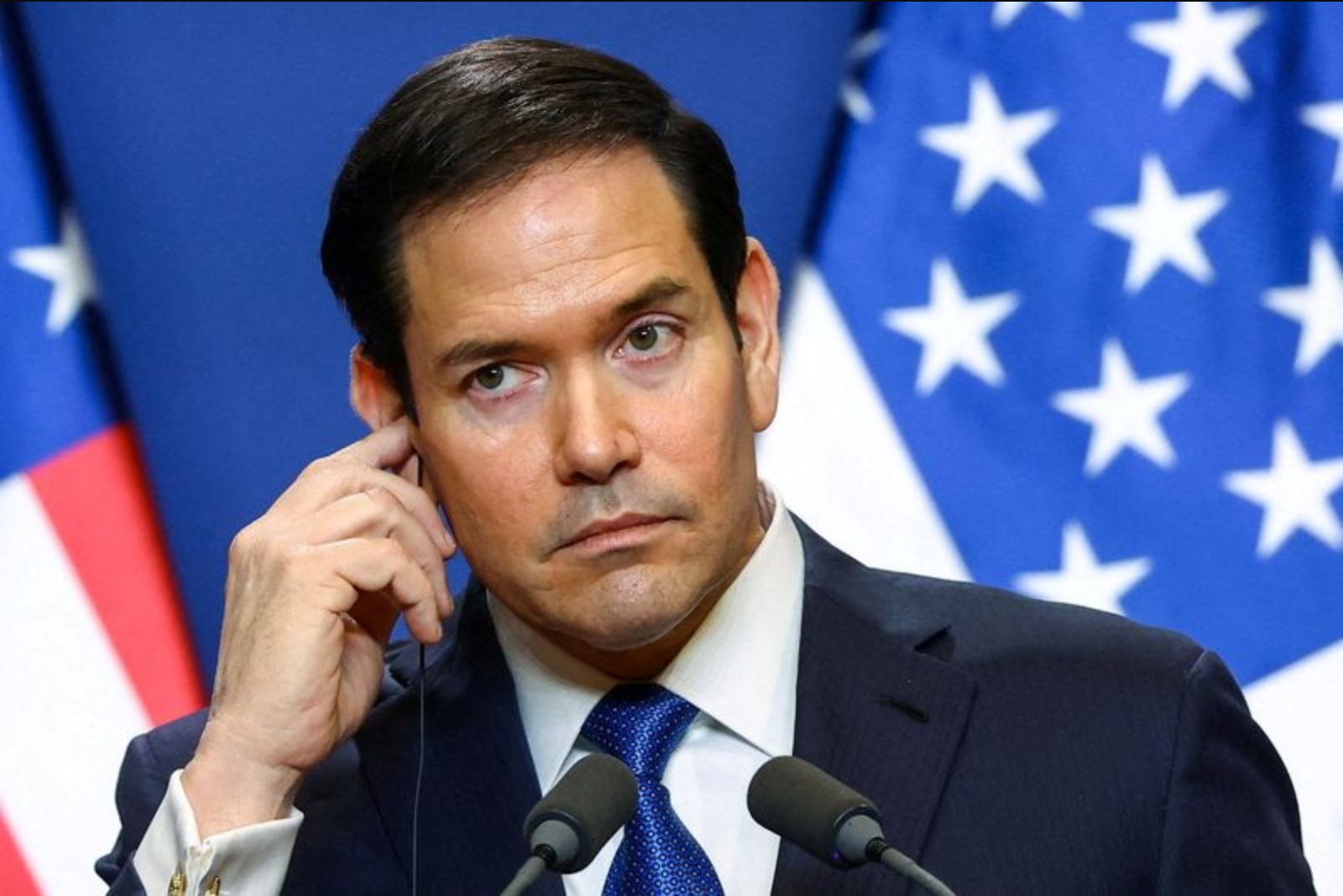
U.S. Secretary of State Marco Rubio arrived in the Caribbean on Feb 25 and opened discussions with regional leaders who warned that a deepening humanitarian situation in Cuba risks broader instability across the Caribbean basin. Rubio addressed a closed-door session of CARICOM in Basseterre, Saint Kitts and Nevis, and was scheduled to hold bilateral talks with some member states focused on migration and drug trafficking.
The diplomatic engagement comes as the Trump administration has moved to cut off oil shipments to Cuba, increasing pressure after the removal of Venezuelan President Nicolas Maduro on Jan 3 - a development the article reports as depriving Cuba of a key ally. Rubio left Washington immediately after attending the State of the Union address in which President Donald Trump said he was "restoring American security and dominance in the Western Hemisphere," and described an operation in which U.S. forces seized Maduro and killed Cuban forces who were guarding him.
In recent weeks, the U.S. has warned of further measures to restrict energy flows to Cuba. President Trump has threatened tariff hikes against any country that sends energy supplies to the island and has urged Cuban leaders to reach a deal to prevent an escalation of humanitarian problems.
Regional leaders cautioned that a prolonged humanitarian crisis on the island would not be contained within Cuba. Ahead of Rubio's arrival, Jamaica's Prime Minister Andrew Holness called on CARICOM members to craft a collective response, noting Cuba's longstanding role in sending professionals such as doctors and teachers to neighboring countries. Washington is also urging governments to cease participation in Cuba's medics program, which the article notes is a source of foreign currency for the Cuban government.
Holness was quoted as saying: "Humanitarian suffering serves no one. Apart from our fraternal care and solidarity with the Cuban people, it must be clear that a prolonged crisis in Cuba will not remain confined to Cuba. It will affect migration, security and economic security across the Caribbean basin," and he urged "constructive dialogue between Cuba and the United States aimed at de-escalation, reform and stability."
Terrance Drew, prime minister of Saint Kitts and Nevis and host of the CARICOM meeting, argued that the regional bloc should act as a channel for conversation about Cuba's future. "A destabilized Cuba will destabilize all of us," he said.
Rubio's agenda in Basseterre included efforts to counter migration flows and drug trafficking, priorities cited for his bilateral engagements with Caribbean leaders. The CARICOM gathering he addressed comprised the 15 member states and five associated members of the regional group.
The discussions come as Washington pursues a dual approach of sanctions and diplomatic outreach: restricting energy shipments and pressing partners to withdraw from programs that generate foreign currency for Havana, while urging regional leaders to engage in dialogue aimed at reducing tensions and addressing humanitarian concerns. Leaders in the Caribbean voiced concern that failure to address the situation in Cuba could have cross-border consequences for migration patterns, regional security and economic stability.
Summary
Marco Rubio visited CARICOM in Saint Kitts and Nevis on Feb 25 for closed-door talks and bilateral meetings with regional leaders alarmed by a potential humanitarian crisis in Cuba. The visit follows U.S. measures to block oil shipments to Cuba and efforts to discourage participation in Cuba's medics program, which supplies foreign currency to Havana. Caribbean leaders urged collective action and dialogue between Cuba and the United States to prevent wider regional destabilization.