
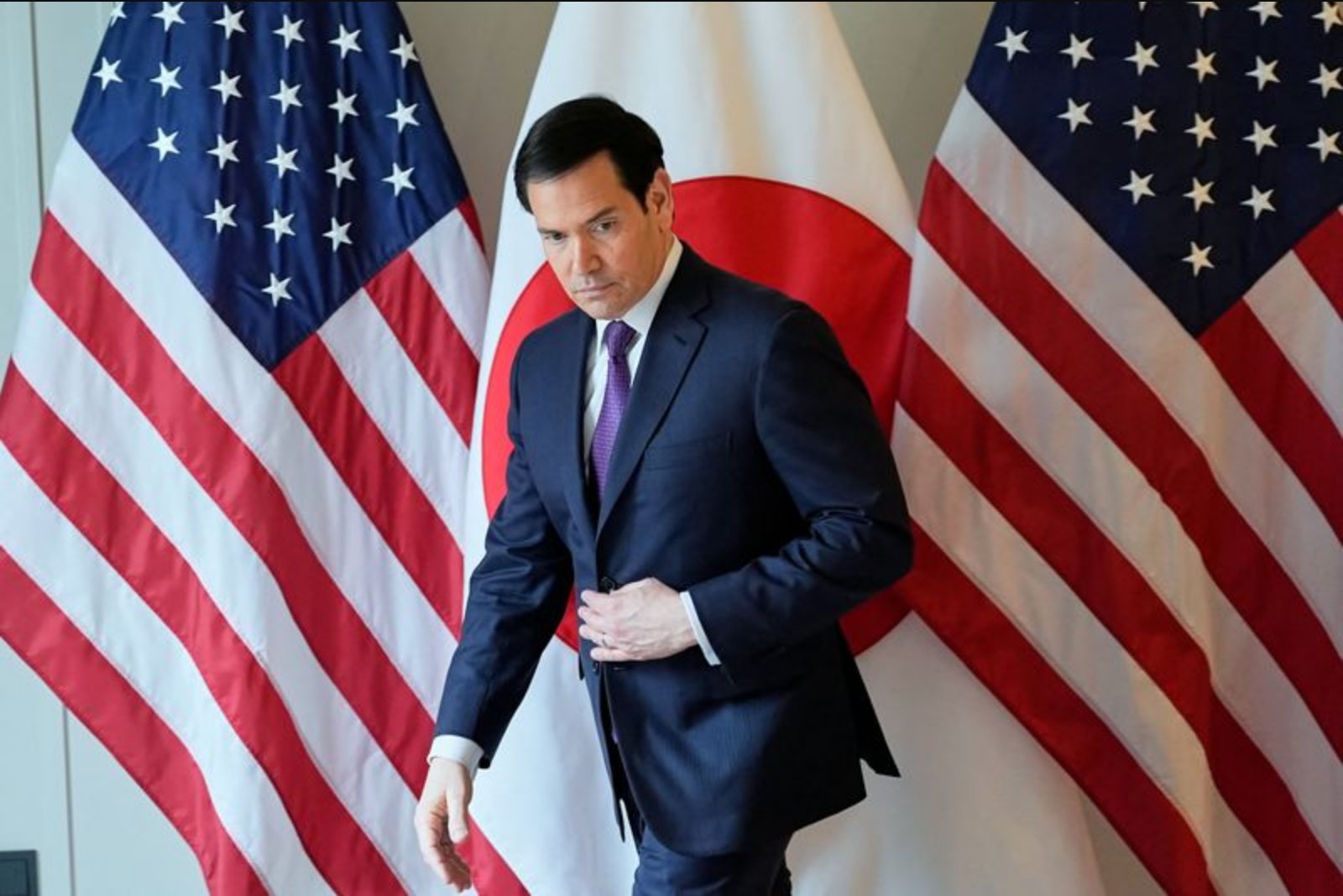
MUNICH, Feb 14 - Addressing delegates at the annual Munich Security Conference, U.S. Secretary of State Marco Rubio sought to mend frayed ties by presenting the United States as closely bound to Europe, describing it as the "child of Europe" and stressing the enduring connection between the two sides of the Atlantic.
Rubio’s remarks came amid a year of sharp strains in transatlantic relations under President Donald Trump, as European capitals have tried to both assert greater autonomy and keep the long-standing alliance with the United States intact. The speech offered a conciliatory tone that drew a standing ovation, but it left open questions about the depth of U.S. commitments on major security and foreign policy concerns.
"In a time of headlines heralding the end of the transatlantic era, let it be known and clear to all that this is neither our goal nor our wish, because for us Americans, our home may be in the Western Hemisphere, but we will always be a child of Europe," Rubio said. "For the United States and Europe, we belong together," he added, receiving warm applause from the audience.
Reactions among European leaders were mixed. European Commission President Ursula von der Leyen said she was "very much reassured" by Rubio’s speech, while German Foreign Minister Johann Wadephul described him as a "true partner." Others, however, urged caution about whether tone alone would alter underlying policy trajectories.
Gabrielius Landsbergis, former foreign minister of Lithuania, questioned whether Europeans would embrace Rubio’s emphasis on perceived civilisational decline as a primary unifying concern. "I am not sure that Europeans see the announced civilisational decline, supposedly caused mainly by migration and deindustrialisation, as a core uniting interest. For most Europeans, the common interest is security," Landsbergis said. He also noted on X that Rubio’s address "was not a departure from the general position of the (Trump) administration. It was simply delivered in more polite terms."
German Defence Minister Boris Pistorius warned that the alliance depends on U.S. predictability and reliability. "Questioning the territorial integrity and sovereignty of a NATO member state. Excluding European allies from negotiations that are crucial to the security on the continent. All this damages our alliance and strengthens our adversaries," he said.
Observers pointed to notable omissions in Rubio’s speech. It contained little in the way of new policy pledges and made no mention of Russia, an absence that left some attendees wondering whether the softer tone would translate into different outcomes on pressing security matters, including support for Ukraine.
Concerns about Ukraine were a persistent theme at the conference. Allies have feared that proposals for rapid peace could produce concessions to Russia that force Kyiv to yield territory and end the continent’s deadliest conflict since World War Two on terms many see as unacceptable. U.S.-brokered peace talks are scheduled to resume next week in Geneva.
Meanwhile, the conference was the setting for new findings on the death of Kremlin critic Alexei Navalny. Five European allies publicly accused Russia of killing Navalny with venom derived from poison dart frogs while he was held in an Arctic penal colony two years ago. The claim, based on analyses of samples taken from Navalny’s body, was released while Navalny’s widow, Yulia Navalnaya, attended the Munich gathering. Russia has repeatedly denied responsibility for his death.
"I was certain from the first day that my husband had been poisoned, but now there is proof," Navalnaya wrote on social media as the findings were made public.
The humanitarian impact of the fighting in Ukraine was a continuing concern. Delegates noted that a sustained bombardment of Ukrainian cities during one of the coldest winters in years killed civilians and left hundreds of thousands without power and water. Against that backdrop, President Volodymyr Zelenskiy, attending the conference, expressed guarded hope about prospects for peace, while also signalling political pressure.
Zelenskiy said he was feeling "a little bit" of pressure from Trump, who had urged that the Ukrainian leader not miss an "opportunity" to make peace soon. "The Americans often return to the topic of concessions and too often those concessions are discussed only in the context of Ukraine, not Russia," Zelenskiy said, reflecting concerns that discussions about compromise have been framed unevenly.
Rubio’s address also revisited themes that have stirred debate in Europe. Though he lauded Europe’s cultural achievements from Michelangelo to Shakespeare, he criticised mass migration and what he described as excessive action on climate change. He warned against letting allies grow weak, saying, "We do not want our allies to be weak, because that makes us weaker."
He continued: "For we in America have no interest in being polite and orderly caretakers of the West’s managed decline, we do not seek to separate but to revitalise an old friendship and renew the greatest civilization in human history."
French Foreign Minister Jean-Noel Barrot said he understood why Rubio’s appeal to a shared legacy drew applause but tempered expectations about policy change. "Is it going to change our strategy? Of course not. Because, you know, what we’re hearing today, we heard already in the past," Barrot said.
The Munich conference itself has been shaped this year by the challenge of adapting to a year of tensions with the United States on matters ranging from tariffs to an earlier threat by President Trump to pursue Greenland. Last year’s Munich address by Vice President JD Vance, a possible 2028 rival to Rubio, had been markedly tougher in tone toward European allies, arguing that internal threats to democracy were greater dangers than external actors like Russia.
Rubio’s speech offered a more conciliatory cadence while including policy criticisms that have previously alarmed many in Europe. It provided a measure of reassurance to some leaders but left open whether rhetoric will be matched by policy shifts, particularly on issues where allies say clarity and concrete commitments are needed.
As delegates departed, the conference underscored enduring questions about the nature of transatlantic ties: whether words of shared heritage can translate into dependable, actionable partnerships on security, trade and geopolitical crises, and how allies will respond to fresh evidence and unfolding diplomatic efforts in the months ahead.