
KABUL, March 18 - Relatives and acquaintances of patients who were undergoing treatment at a rehabilitation centre in the Afghan capital continued to search the site on Wednesday, two days after an air strike struck the facility. The Afghan Taliban government has reported that the strike killed more than 400 people and wounded 265, describing the attack as the deadliest episode in months of hostilities between the neighbours.
The strike occurred on Monday night as those at the centre were praying, only days before the end of the holy month of Ramadan, according to Afghan authorities. Pakistan has rejected the casualty figures and said the operation had "precisely targeted military installations and terrorist support infrastructure." The disagreement over what was struck has deepened a sharp escalation in relations between the two Islamic neighbours, at a time when the wider neighbourhood is already unsettled by U.S.-Israeli actions against Iran.
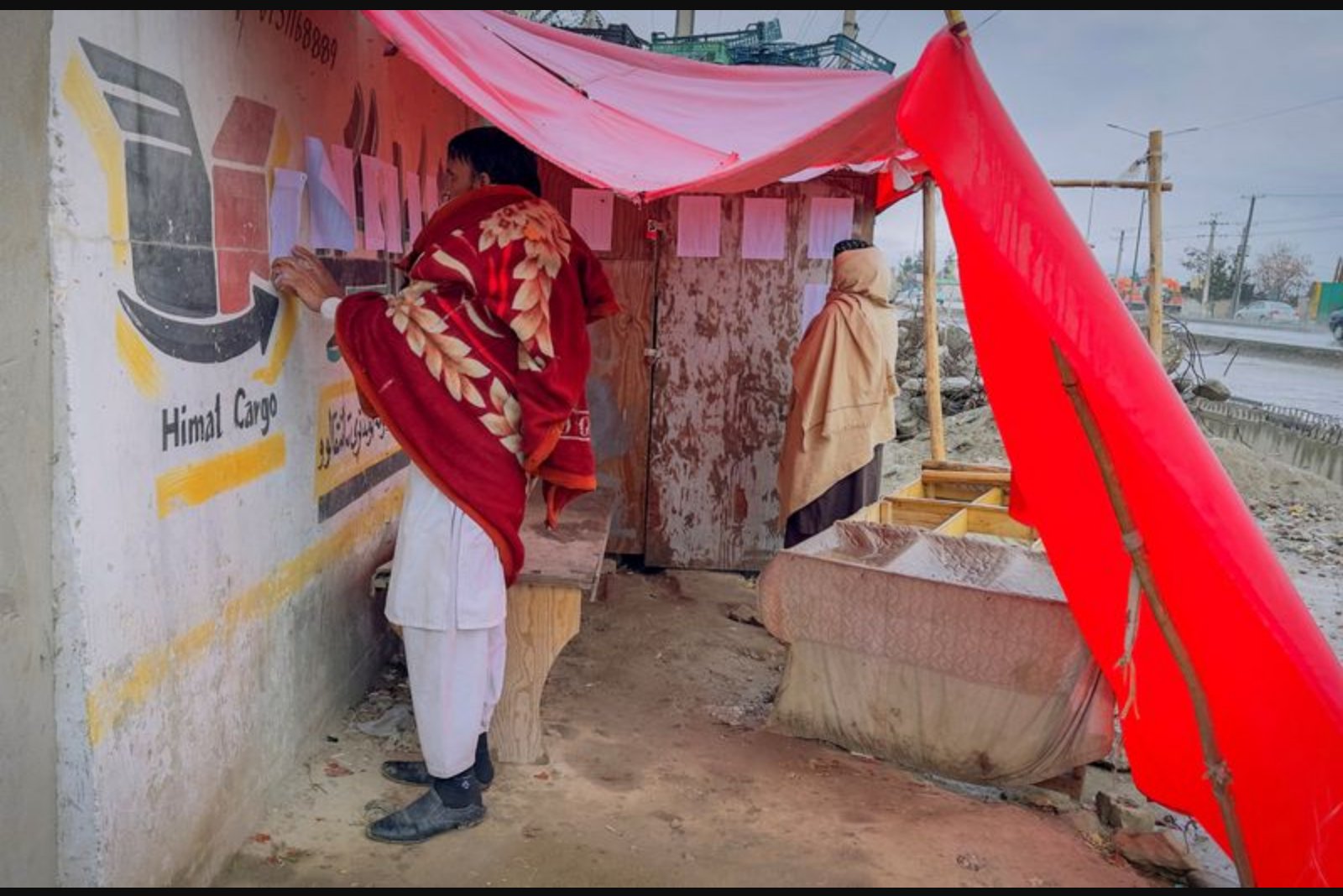
On Wednesday, groups of relatives gathered at the compound where the rehabilitation centre stands, looking for people who had been recovering there. Many said they did not know whether their relatives were alive or dead, or whether they had been moved elsewhere after the attack.
"We came here looking for our patient, he is missing," said Mazar, 50, who gave only one name. "We came to find out whether he is well, alive, or what has happened to him." He said the relative had been admitted to the centre for the second time and that no information about him was available. "We checked the lists, but his name was not in the list of the living. Maybe he is injured or has been killed," he added.
Another man, who declined to give his name, said he had tried to enter the facility on Tuesday but was not permitted inside. "We did not find his body, nor was he among the wounded, and his name is not on the list of survivors," he said. "We have come again today for more information."
A Reuters witness at the scene reported that smoke continued to smoulder from parts of the compound as firefighters worked to douse small fires roughly 36 hours after the bombing. Scattered among the debris were pieces of furniture, mattresses and clothing.
The Afghan interior ministry said funerals for some of those killed at the centre would be held on Wednesday. Interior ministry spokesman Abdul Mateen Qanie said some bodies could not be identified and were at the forensic department, while others that were intact had been returned to families. "Some of the bodies were not identifiable and are currently at the forensic department. Some bodies were intact and were handed over to their families," he said. "Others were completely destroyed, collected almost like pieces of flesh."
Najibullah Farooqi, head of Afghanistan's legal medicine directorate, said teams were still recovering bodies from the wreckage as late as Tuesday night and that some had been released to families after identities were confirmed. "Some bodies have been handed over after their identities were confirmed. However, a large number of bodies still remain with us," he said.
Afghan and Pakistani officials have offered sharply different accounts of the strike's target. Afghan authorities characterized the site as a well-known rehabilitation centre located at Camp Phoenix, a facility that the Afghan side says was a former NATO military base converted into a civilian rehabilitation centre about a decade ago. Pakistan countered that it had struck Camp Phoenix as a "military terrorist ammunition and equipment storage site," and said visible secondary detonations after the strikes indicated the presence of large ammunition depots.
The European Union, United Nations agencies and international aid organisations have urged that civilian and medical facilities not be targeted during conflicts and have called for immediate de-escalation in the wake of the incident.
The current bout of violence follows an escalation that began last year, when Pakistan accused Afghanistan of sheltering and supporting militants responsible for attacks inside Pakistan - allegations the Afghan Taliban government denies. The dispute had eased at times under mediation efforts by friendly countries, including China, but flared again after Pakistan last month began directly targeting the Afghan Taliban rather than limiting strikes to locations linked to Pakistani Taliban militants across the border, according to accounts of the recent trajectory of the conflict.
As families and emergency teams continue to confront the human toll at the site, official accounts remain in contest. The uncertain status of many people who were at the centre - with a large number of bodies still held by forensic authorities and others unaccounted for - leaves relatives without answers and compounds calls from international actors for restraint between the two neighbours.