
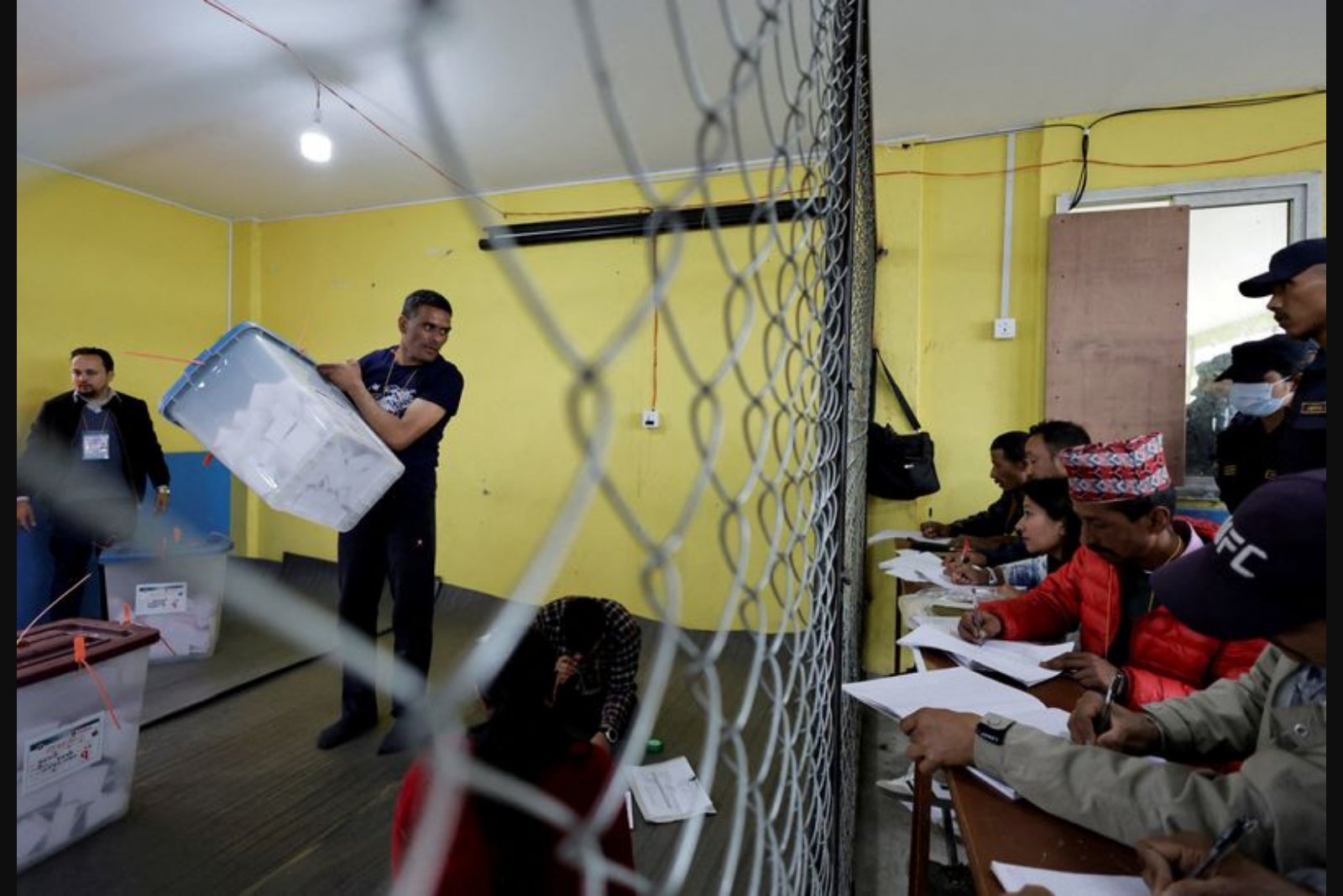
Preliminary vote tallies on Friday pointed to a commanding showing for the Rastriya Swatantra Party (RSP), the three-year-old political outfit led by Balendra Shah, a 35-year-old former rapper and ex-mayor of Kathmandu. The election commission reported that Shah’s party was leading in 100 of the 137 directly contested constituencies at the time counts were publicized.
At 1200 GMT, officials said vote counting was in progress for 165 seats filled by direct election in the 275-member lower house of parliament; the remaining seats will be allocated through proportional representation. If the current trends hold, the RSP would secure a majority in the lower house.
A youth-driven surge
Shah has emerged at the center of the campaign to become prime minister, leveraging a social media profile that has elevated his public visibility across Nepal following a youth-led uprising. That unrest erupted into street protests last September after a social media ban brought thousands onto the streets, triggering clashes and deaths that led to former prime minister K.P. Sharma Oli’s resignation.
Analysts and voters described the scale of the RSP’s performance as unprecedented. "At least one member from each household seems to have voted for it (RSP). Otherwise this type of tsunami would not have been possible," analyst Puranjan Acharya said, reflecting the magnitude of the party’s support in early returns.
Established parties trailing
Trends showed Oli’s Communist Party of Nepal was leading in 10 seats while he appeared to be losing in his home constituency to Shah. The Nepali Congress, the country’s oldest political party, was also reported to be leading in 10 seats but had secured just one win in the early counts. Vice President Bishwa Prakash Sharma said in a post on X that the party had accepted the voters’ verdict.
Among voters, the appeal of Shah and his party was evident. "I voted for Rastriya Swatantra Party because Balen is there," said Deepak Adhikari, 33, after casting his ballot in Kathmandu, using the youthful leader’s popular name. "I believe he will ... make the country prosperous."
Context and next steps
Nepal, a nation of about 30 million people with a largely agrarian economy, has faced decades of political instability that analysts say have hampered economic progress amid persistent unemployment and corruption. Final results from this election were expected to be announced on Friday evening or by Saturday morning, election officials said, once counting and proportional allocations were completed.
Summary
Early returns indicate a possible landslide for Balendra Shah’s Rastriya Swatantra Party in the race for Nepal’s 275-seat lower house, with the party leading in a substantial portion of directly contested constituencies. The outcome reflects a strong youth-backed reaction against established parties following significant street protests and political turmoil last year.