
World March 19, 2026

Rafael Caro Quintero Enters Early Plea Negotiations with U.S. Prosecutors, Lawyer Says

Defense and prosecutors hold preliminary discussions while no formal offer has been presented in Brooklyn court

By Sofia Navarro
Rafael Caro Quintero Enters Early Plea Negotiations with U.S. Prosecutors, Lawyer Says

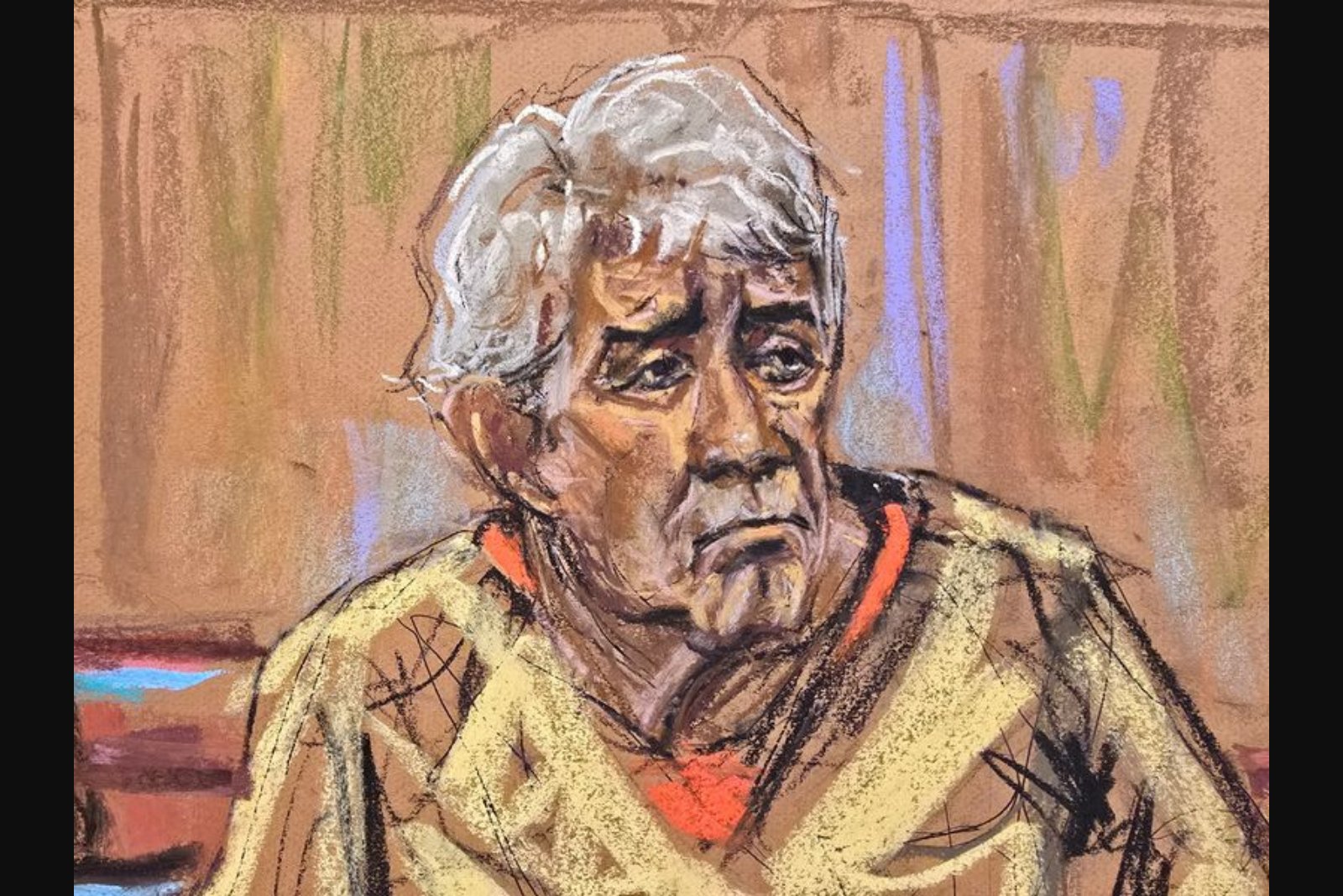
Rafael Caro Quintero, the 73-year-old founder of the Guadalajara Cartel now detained in Brooklyn, is engaged in early-stage plea discussions with U.S. prosecutors, his attorney said at a federal hearing. Prosecutors have indicated there is no formal offer, and a trial remains tentatively scheduled for March 8, 2027. Caro Quintero faces charges including operating a continuing criminal enterprise and conspiring to import cocaine.

Key Points

  • Caro Quintero, 73, is in early-stage plea discussions with U.S. prosecutors while jailed in Brooklyn; he pleaded not guilty in February 2025 to charges including operating a continuing criminal enterprise and conspiring to import cocaine - sectors affected include legal services and corrections.
  • Prosecutors told the court there is no formal plea offer at present, even as defense counsel reported ongoing talks - this procedural uncertainty impacts the federal criminal justice process and related government legal resources.
  • The case has scheduled milestones: U.S. prosecutors declined to seek the death penalty last August and a trial is tentatively set for March 8, 2027 - implications extend to international law enforcement coordination and extradition proceedings.

Rafael Caro Quintero, the 73-year-old accused founder of the Guadalajara Cartel who is currently detained in Brooklyn, is involved in preliminary plea discussions with U.S. prosecutors, his defense counsel told a federal court on Thursday.

At a hearing in Brooklyn federal court, defense attorney Elizabeth Macedonio stated that prosecutors and defense lawyers were "continuing to discuss a disposition short of a trial." She later told reporters that those conversations were in their early stages.

Federal prosecutor Francisco Navarro addressed the court as well, saying plainly: "There is currently not a plea offer." That comment underlined that while talks are underway, no formal agreement has been put on the table.


Caro Quintero, who pleaded not guilty in February 2025, faces charges that include engaging in a continuing criminal enterprise and a cocaine importation conspiracy. He was expelled by Mexican authorities in February 2025 as part of their unexpected handover of 29 alleged drug kingpins to the United States, and is now held in a Brooklyn jail.

The U.S. Justice Department announced last August that it would not seek the death penalty in his case. Despite ongoing talks, the matter currently remains slated to proceed to trial unless a disposition is reached; the defendant is tentatively scheduled to stand trial on March 8, 2027.

Before his extradition and detention in the United States, Caro Quintero served 28 years in a Mexican prison following a conviction for the 1985 killing of former U.S. Drug Enforcement Administration agent Enrique "Kiki" Camarena. He was released in 2013 on a technicality and later recaptured by Mexican authorities in 2022 as the United States sought his extradition.

Caro Quintero has denied involvement in Camarena's death. The violent history connecting the alleged capo and the murdered DEA agent gained wider public attention through its prominent depiction in Mexico's 2018 television series "Narcos Mexico."


The proceedings in Brooklyn now include competing public statements from defense counsel about ongoing discussions and from prosecutors noting the absence of a formal offer, leaving the case in a state of active legal negotiation but without a concluded resolution at this time.

Risks

  • Plea negotiations are at an early stage and no offer currently exists, creating uncertainty about whether the case will resolve before trial - this affects legal fees and court scheduling within the federal judiciary.
  • Because the trial is tentatively scheduled for March 8, 2027, the timing and outcome remain uncertain, which could prolong detention and proceedings - this raises operational considerations for detention facilities and prosecutorial resource planning.
  • Historical custody changes and prior release on a technicality, followed by recapture and extradition, underscore procedural complexity that could introduce legal challenges or delays - these risks bear on extradition and international law enforcement cooperation.

More from World

U.S. Southern Command Says Forces Are Not Training to Invade Cuba, But Are Poised to Protect Interests Mar 19, 2026 UC Berkeley Agrees to Strengthen Protections Against Antisemitism, Plaintiffs' Lawyers Say Mar 19, 2026 Trump Compares U.S. Strikes on Iran to Pearl Harbor During Meeting with Japan’s Prime Minister Mar 19, 2026 Qalibaf Emerges as Central Power Broker in Tehran Amid Leadership Losses Mar 19, 2026 Conflict with Iran Reshapes Political Fortunes - Netanyahu Rises as Trump and Gulf Partners Face Economic and Strategic Strain Mar 19, 2026