
World February 11, 2026

Qatar’s Emir and U.S. President Speak on Regional De-escalation as Washington and Tehran Resume Diplomacy

Phone call highlights Doha’s mediation role ahead of U.S.-Israel meeting and as indirect talks with Iran continue

By Derek Hwang
Qatar’s Emir and U.S. President Speak on Regional De-escalation as Washington and Tehran Resume Diplomacy

Qatar’s ruler held a phone conversation with U.S. President Donald Trump focused on lowering regional tensions and supporting diplomatic channels, the Emiri Diwan said. The discussion comes as the United States and Iran move toward renewed negotiations over Tehran’s nuclear programme, while Qatar continues to mediate on multiple fronts including Gaza.

Key Points

  • Qatar’s emir and U.S. President held a phone call focused on regional de-escalation and stability, according to the Emiri Diwan.
  • Washington and Tehran are preparing to resume diplomatic negotiations over Iran’s nuclear programme after indirect talks in Oman last week.
  • Qatar is mediating on multiple fronts, including between Israel and Hamas alongside the U.S. and Egypt, and received an adviser to Iran’s supreme leader expected to meet the emir.

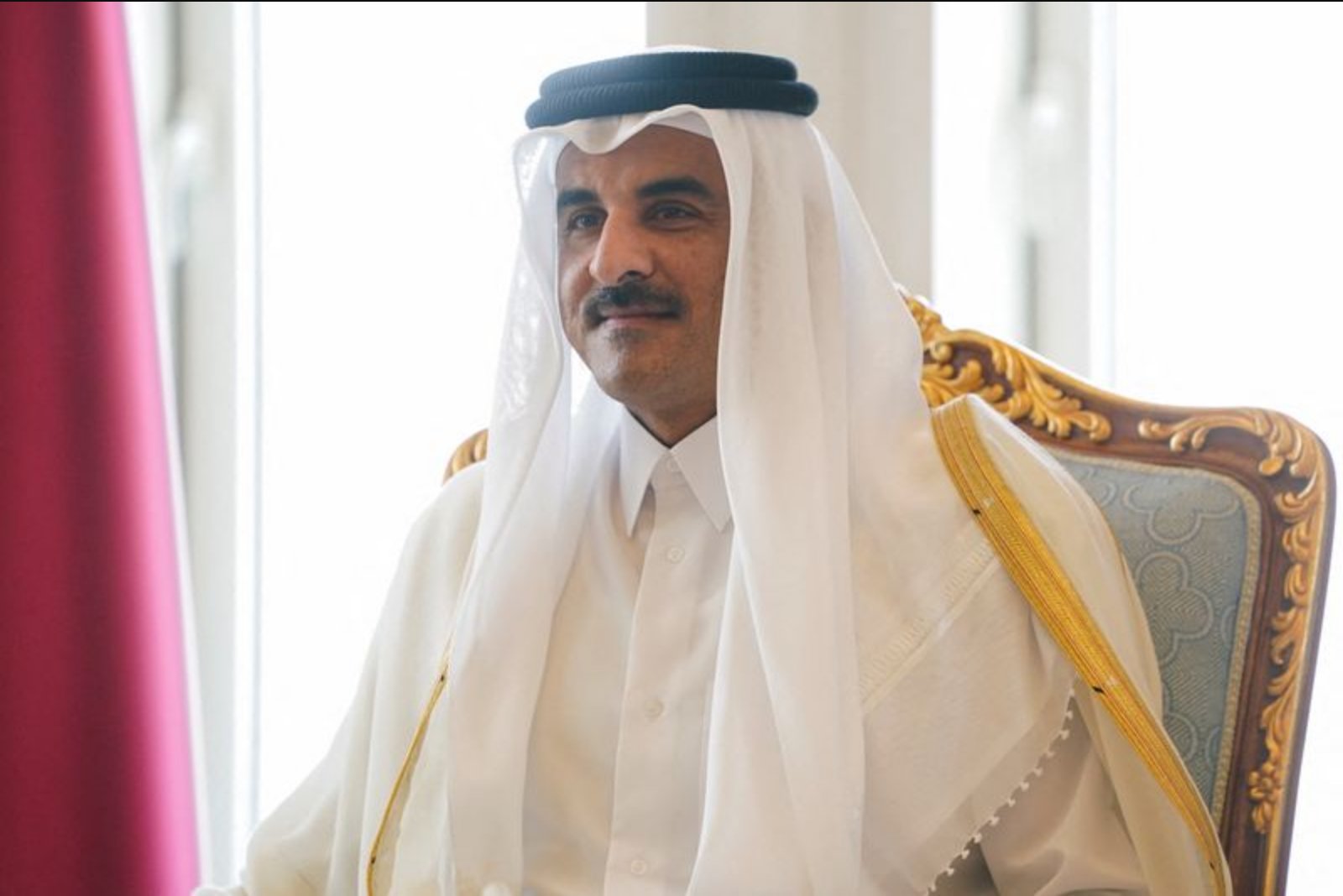
Qatar’s Emir Sheikh Tamim bin Hamad al-Thani and U.S. President Donald Trump held a telephone conversation on Wednesday centred on efforts to reduce regional tensions and bolster stability, the Emiri Diwan said.

The call arrived as Washington and Tehran seek diplomatic avenues to address Iran’s nuclear programme, with both sides preparing to resume negotiations after indirect contacts held last week in Oman. A spokesperson for Iran’s foreign ministry said those talks enabled Tehran to assess U.S. seriousness and demonstrated sufficient consensus to continue pursuing diplomacy.

Doha has actively participated in diplomacy aimed at preventing a military confrontation between the United States and Iran, the Diwan said, and the emir and the U.S. president discussed "supporting diplomatic efforts aimed at addressing crises through dialogue and peaceful means."

The timing of the conversation also precedes a separate meeting between President Trump and Israeli Prime Minister Benjamin Netanyahu. In that meeting, Netanyahu is expected to urge the U.S. to expand discussions with Iran beyond its nuclear activities to include constraints on Tehran’s missile forces and other security threats, according to the account of the scheduling context.

Qatar’s diplomatic role extends beyond U.S.-Iran tensions. The country has been involved in mediation between Israel and Hamas in the Gaza conflict, working alongside the United States and Egypt. This concurrent mediation underscores Doha’s position as an intermediary in multiple regional disputes.

On Wednesday, Ali Larijani, an adviser to Iran’s Supreme Leader Ayatollah Ali Khamenei, arrived in Qatar and was expected to meet with the emir as part of the diplomatic engagements linked to the preparations for renewed U.S.-Iran negotiations.

Officials referenced the Oman talks as providing a basis for gauging intentions and allowing diplomacy to continue, while Qatar’s conversations with both Washington and regional partners aim to reduce the immediate risk of military escalation and to promote dialogue as the primary means of addressing the crises.

Risks

  • Risk of a military confrontation remains between the United States and Iran, which Qatar’s diplomacy seeks to avert - relevant to regional security and defense sectors.
  • Uncertainty exists over whether U.S.-Iran talks will expand to include Tehran’s missile arsenal and other non-nuclear security concerns - relevant to diplomatic and security policy discussions.
  • Diplomatic progress is contingent on mutual assessment of seriousness after indirect talks, creating uncertainty about the pace and outcome of negotiations - relevant to political risk assessments.

More from World

Fitch Keeps UK at AA- Citing Flexible Economy but Flags High Debt and Policy Uncertainty Feb 20, 2026 Fitch Maintains Congo's CCC+ Rating, Flags Persistent Debt and Governance Weaknesses Feb 20, 2026 Moody's Upholds Sweden's Aaa Rating, Cites Strong Fiscal Fundamentals Feb 20, 2026 Moody’s Keeps Tanzania at B1 as Growth Strengths Counterbalance Institutional and Political Risks Feb 20, 2026 S&P Upgrades Armenia Outlook to Positive Citing Growth and Security Improvements Feb 20, 2026